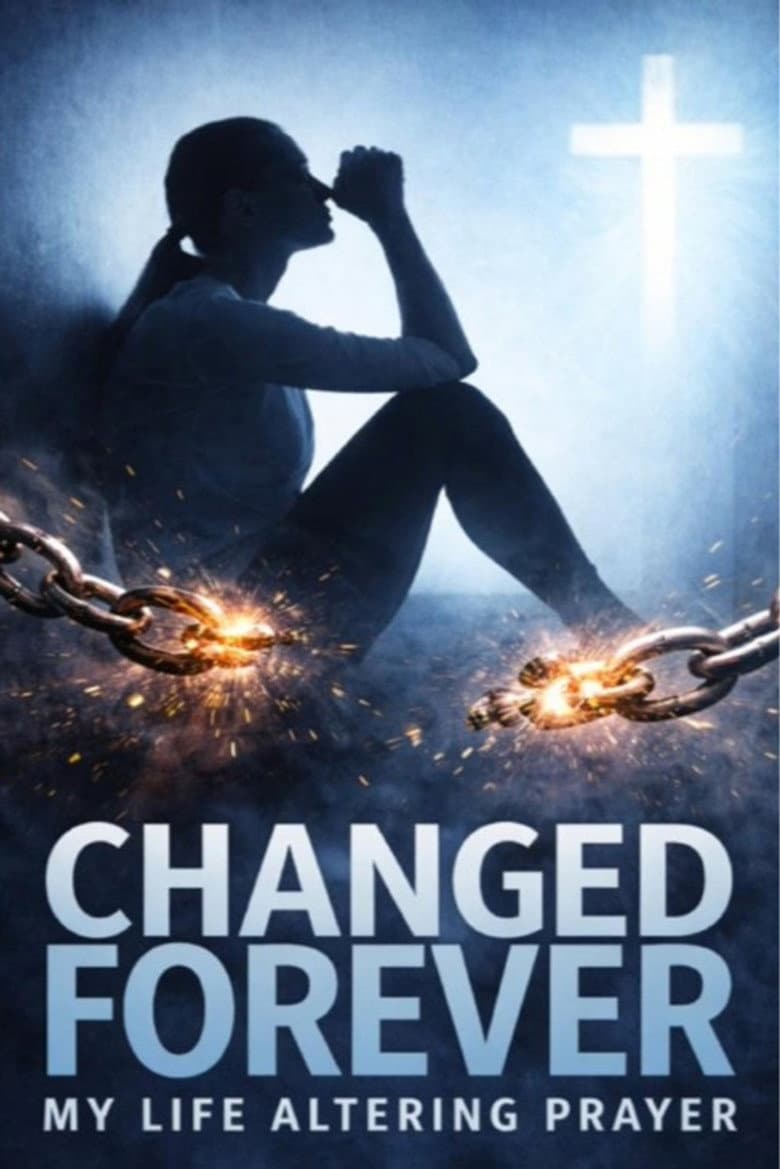
The date was September 27, 2026, and somewhere in the multiplex chatter that weekend, a small drama slipped into theaters with little fanfare and a title that promised transformation. Changed Forever arrives as a Hollywood production in the English language, and it carries the kind of premise that has launched a thousand Sunday sermons: a woman in the grip of addiction, a moment of divine intervention, a life rebuilt from the rubble. What distinguishes this particular telling, at least on paper, is the specificity of its claimed origins. This is, according to the material, the raw and inspiring true story of Alexis, a woman consumed by the darkness of addiction and teetering on the brink of self-destruction.
Terri Bonds inhabits Alexis, and the role demands a full descent before any ascent. The narrative follows her through what the synopsis bluntly calls a whirlwind of bad choices and devastating consequences, leaving her isolated and hopeless. Anyone who has watched addiction dramas knows the beats: the lies, the wreckage, the moment of clarity that arrives too late. The film's distinguishing claim is what happens next. Just when Alexis believes all is lost, a flicker of faith ignites. Driven by desperation, her unwavering faith culminates in a profound, life-altering encounter with God - an experience that shatters her old life and rebuilds her from the ground up. From there, Changed Forever traces her arduous journey to sobriety, healing, and ultimately, redemption.
The supporting cast reads like a roster of recognizable character actors and faith-based cinema veterans. Dean Cain appears as Danny, while Karen Abercrombie takes on the role of Counselor. Chrissy Ball plays Fran, Genesis Bohman is Victoria, and Leslie Crane appears as Tara, a role tied to a jail setting. Jeffrey DeBoer steps in as Pastor Luke, Jason Campbell plays a liquor clerk, and Terri Bonds anchors the piece as Alexis. The director is not listed in the available materials, an omission that adds a layer of mystery to a production already operating with unusual discretion. The runtime is likewise unconfirmed.
What the film is selling, more than anything, is a thesis. The synopsis is careful to note that Changed Forever is more than just a story of overcoming addiction - it is a testament to the transformative power of faith and prayer, offering a beacon of hope to anyone struggling to find their own new beginning. That is the language of ministry as much as moviemaking, and the film makes no apology for it. Whether audiences respond to that framing depends largely on what they are looking for when they buy a ticket. Viewers seeking a gritty, naturalistic portrait of recovery may find the film's spiritual architecture too tidy. Viewers who have lived through the kind of despair Alexis represents, and who credit prayer with their own survival, may see something of themselves in her account.
The timing of the release is worth noting. Late September is rarely a slot for modest dramas with niche appeal, but faith-oriented films have carved out a durable space in the theatrical ecosystem over the past decade, often thriving on word-of-mouth from congregations and community groups rather than on conventional marketing spend. Changed Forever appears to be positioning itself squarely in that tradition. The title itself functions as both a spoiler and a promise: whatever Alexis endures, the destination is right there on the marquee.
It is worth acknowledging that the film's reception, as measured by those who have logged it on TMDb, has been notably harsh, with a rating sitting at 1 out of 10. That number is striking, and it raises questions that go beyond the film itself. Faith-based projects frequently draw polarized responses, sometimes from audiences outside the target demographic, sometimes from within it. Without a wide body of reviews or confirmed box-office figures, the rating exists as an anomaly - a data point that is hard to interpret and easy to over-read. What it does not change is the fact of the release, the completion of the project, or the testimony at its center.
For now, Changed Forever stands as a finished work with an announced release and a stated purpose. Its story belongs to Alexis, and its argument belongs to anyone who believes a life can be broken and remade in a single, seismic moment. The film asks audiences to consider that possibility alongside her. Whether they do is, as ever, the audience's choice.