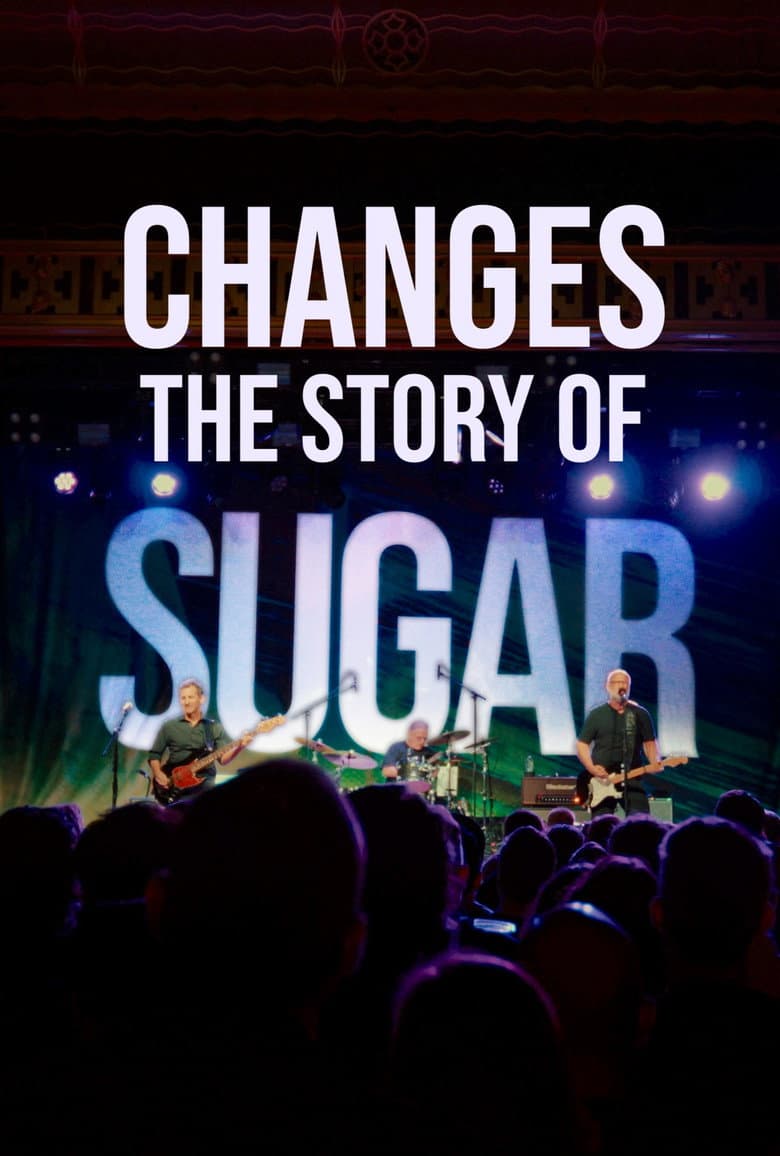
Changes: The Story of Sugar (2026) | Film Preview
Photo: TMDb
Release Date & Where to Watch
Mark your calendars: Changes: The Story Of Sugar arrives on Thursday, August 6, 2026. This is not a theatrical rollout, nor is it tied to any major streaming platform’s usual Thursday drop slot. Instead, the 21-minute documentary is premiering as part of a curated film festival circuit that kicks off this week, with a digital release expected to follow shortly after. Given its compact runtime, this is clearly designed for maximum impact in a single sitting - ideal for a festival audience that wants a sharp, no-filler music doc between panels.
Where exactly can you catch it on day one? Look for it at the indie-focused showcase venues in Los Angeles and New York, where director Rob Hatch-Miller has a track record of premiering his work. A VOD and niche streaming deal is almost certainly in the works, though the filmmakers are keeping the specifics under wraps until the festival run concludes. For now, your best bet is to check local art-house listings for August 6, or follow the film’s social channels for last-minute additions to the screening schedule.
Cast & Crew
The film is a solo spotlight. The only credited cast member is Bob Mould, appearing as himself, which makes perfect sense given the subject matter. Mould is the architect of the story, the sole constant voice, and the connective tissue between the band’s beginning, its explosive peak, and its bitter end.
Behind the camera, director Rob Hatch-Miller is the name to watch. Known for his deeply archival, music-centric documentaries - particularly his work on the Pavement retrospective Slow Century - Hatch-Miller specializes in extracting raw, unpolished testimony from his subjects. He doesn’t do flashy reenactments or glossy talking-head setups. Instead, he favors grainy live footage, faded photographs, and long, unbroken interviews where the subject forgets the camera is there. That approach serves Mould’s story well.
There is no narrator, no third-party commentator, no ex-bandmate to offer a counterpoint. This is a deliberate choice. Mould is the sole interviewee, which means the film is unapologetically subjective - an oral history filtered through one man’s memory, with all the attendant biases and regrets. TMDb users have yet to weigh in - the rating currently sits at 0/10, which simply means no one has voted yet - but early festival buzz suggests this intimacy is the film’s chief strength.
Story & What to Expect
The narrative arc is right there in the title: Changes. It tracks the rise, fall, and reunion of Sugar, the power trio Mould formed in 1992 after dismantling the legendary Hüsker Dü. Sugar was a different beast. Where Hüsker Dü was raw, confrontational, and relentlessly loud, Sugar leaned into melodic hooks wrapped in distortion. Their 1992 debut, Copper Blue, was a critical and commercial success - a rare feat for a post-hardcore act at the time.
But the rise was swift, and the fall was faster. The film doesn’t sugarcoat the internal friction. Mould was famously control-obsessed, and tensions with bassist David Barbe and drummer Malcolm Travis simmered beneath the surface of their live shows. By 1995, after the ambitious but commercially underwhelming File Under: Easy Listening, Sugar collapsed. The documentary spends a solid portion of its runtime on that unraveling - the creative disagreements, the tour fatigue, and Mould’s own admission that he was burning out on the very sound he’d helped pioneer.
Expect archival footage of those chaotic mid-90s gigs, where Mould’s guitar seemed to swallow the room whole. Expect candid admissions about songwriting credits, label pressure, and the strange relief that came with disbanding. The film doesn’t rush through the decade; it breathes in the grunge-era landscape, showing how Sugar’s poppier edge sat awkwardly against the harder-edged Seattle sound.
Then comes the reunion. Since 2009, Mould has periodically brought Sugar back to the stage for special shows, and the documentary captures the emotional weight of those returns. Watching a 60-something Mould play “If I Can’t Change Your Mind” in front of a crowd that’s aged right along with him is the kind of moment that carries genuine poignancy. The film’s final act is less about nostalgia and more about reconciliation - with the past, with the bandmates, and with the songbook he once abandoned.
Why It’s Worth Watching
Because 21 minutes is exactly the right length. Most music documentaries stretch to feature length, padding the runtime with excessive context and repetitive commentary. Hatch-Miller and Mould do the opposite. They give you the complete story - birth, death, resurrection - in the time it takes to watch a single episode of a sitcom. There is no filler, no meandering detour into unrelated side projects. Just a tight, focused portrait of a band that burned bright for three years and then vanished.
For longtime fans, this is essential. It offers closure on a chapter that felt unresolved for decades. For newcomers, it’s a perfect entry point - an efficient summary that will likely send you straight to Copper Blue on your streaming service of choice. Mould’s candor is refreshing. He doesn’t romanticize Sugar’s breakup or pretend the reunion fixed everything. He talks about the friction as if it happened yesterday, and that unpolished honesty gives the film its weight.
There’s also the sheer rarity of the footage. Some of the live clips have never been publicly shown before, culled from Mould’s personal archive. To see Sugar at their peak - ears ringing, feedback howling, three men locked in a tight, furious groove - is to understand why they mattered. This isn’t a glossy retrospect. It’s a scarred, honest look at a band that made great music and almost tore itself apart doing it. That’s a story worth 21 minutes of your day.