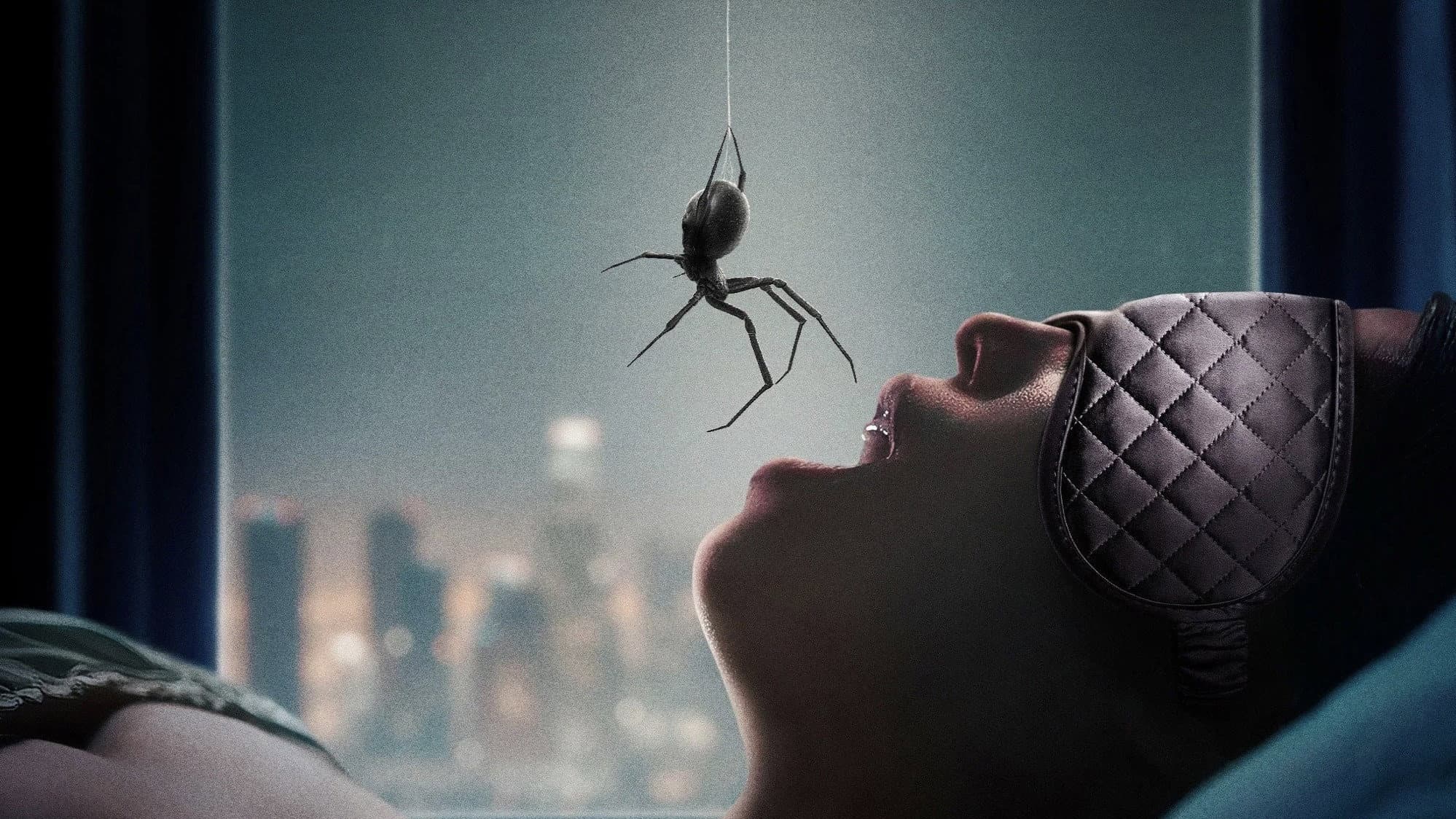
The Paradiso Palms apartments were never meant to be a fortress. In Ángel Gómez Hernández's Crawlers, now in theaters following its September 24 release, the shabby residential complex becomes exactly that - a battleground where tenants barricade doors and seal vents against an invasion that scuttles through the walls. The film runs a lean 80 minutes, and from the opening frames it wastes little time on pleasantries. This is creature-feature territory, played with a straight face and a dark grin.
The premise is simple and sturdy: a deadly spider infestation descends on the residents of Paradiso Palms, and the people trapped inside must fight to survive. But the wrinkle - the one that gives the material its juice - is that the building manager, a figure usually associated with rent checks and leaky faucets, might be their only hope. It is a canny inversion of the horror genre's usual trust hierarchies. The person with the master key is the person with the plan.
Hernández, the Spanish director known for The Coffee Table and 30 Coins, brings a background in tightly wound genre work. Crawlers fits neatly into that tradition. The film's ensemble is led by Matilda Lutz as Serena, and she is surrounded by a cast that includes Gary Anthony Stennette as Dr. Woodward, Elena Sanz as Dr. Callan, Andrea Scott Méndez as Molly, Isabella Marie Egizi as Bernice, Sam Lucas Smith as Lance, Gregg Sulkin as Bradley, and Melina Matthews as the memorably named Lady Lash. It is a large roster for a film that clocks in well under ninety minutes, suggesting a story that moves fast and kills often.
The real-estate-as-deathtrap setup carries a whiff of the classic apartment-building horror pictures - the ones where the hallways become a maze and the neighbors become either allies or liabilities. Crawlers leans into that claustrophobia. The spiders come from everywhere and nowhere: behind drywall, under sinks, through the mail slot. The building itself is the antagonist as much as the arachnids, a structure that was once merely neglected now turned actively hostile. Tenants fight a war on two fronts, against the swarm and against the creeping suspicion that the man with the keys knows more than he is letting on.
The reception so far has been mixed in the way that cult-leaning horror often is. TMDb currently shows a 5.844 out of 10, while IMDb sits at 4.8. Those numbers are not the stuff of instant classics, but genre fans have long learned that a modest aggregate score can hide a scrappy, mean-spirited good time. Films of this size live or die on their set pieces and their willingness to go further than expected. At 80 minutes with this many cast members and this many legs crawling across the screen, Crawlers appears to be betting on pace over patience.
It also arrives at a moment when audiences seem hungry for mid-budget, high-concept horror with a clear hook. A spider invasion film set in an apartment complex is easy to pitch and easy to sell - creepy, contained, and full of characters who can be picked off one by one. Hernández's direction likely brings a tactile, practical sensibility to the material; his work tends toward psychological pressure as much as jump scares, and a building narrative gives him plenty of rooms to apply that pressure. The question of whether the manager is savior or schemer gives the film its engine, and it is the sort of ambiguity that keeps an audience leaning forward even as it squirms back.
For a film that opens with a spider and a concrete building, Crawlers seems to be reaching for something more than a body count. It is about the people left behind in overlooked places - the tenants of a place called Paradiso Palms, a name that promises paradise and delivers peeling paint and predatory arthropods. Horror has always been good at finding the monstrous in the mundane, and few settings are as mundane as a rent-controlled apartment complex. The film is now playing in theaters, and for those who prefer their scares with eight legs and no exit, it is aiming directly for the door.