The lights go down, the projector hums, and something in the dark begins to chew. That’s the promise of Fresh Meat, the new horror feature from director James A. Janisse that opened on October 12, 2026 to an audience already primed for a strong stomach and a nervous laugh. Since then it has settled into an 8.3 out of 10 rating on TMDb, and the conversations around it haven’t cooled. In a season crowded with sequels and soft reboots, here is a film that asks a simple, nasty question: what happens when the thing you love watching gets hungry?
The premise is lean and mean. In the back of a butcher shop, a little girl watches terrifying tales on a screen that must be fed. As its appetite grows, her father must find increasingly gruesome ways to keep the show going. That’s it. That’s the engine. A parent, a child, a glowing rectangle with a taste for what hangs in the walk-in. Janisse, best known to genre fans as the face behind the long-running horror analysis series Dead Meat, is working here from the other side of the lens, and he has assembled a cast that suggests a serious appetite for the strange.
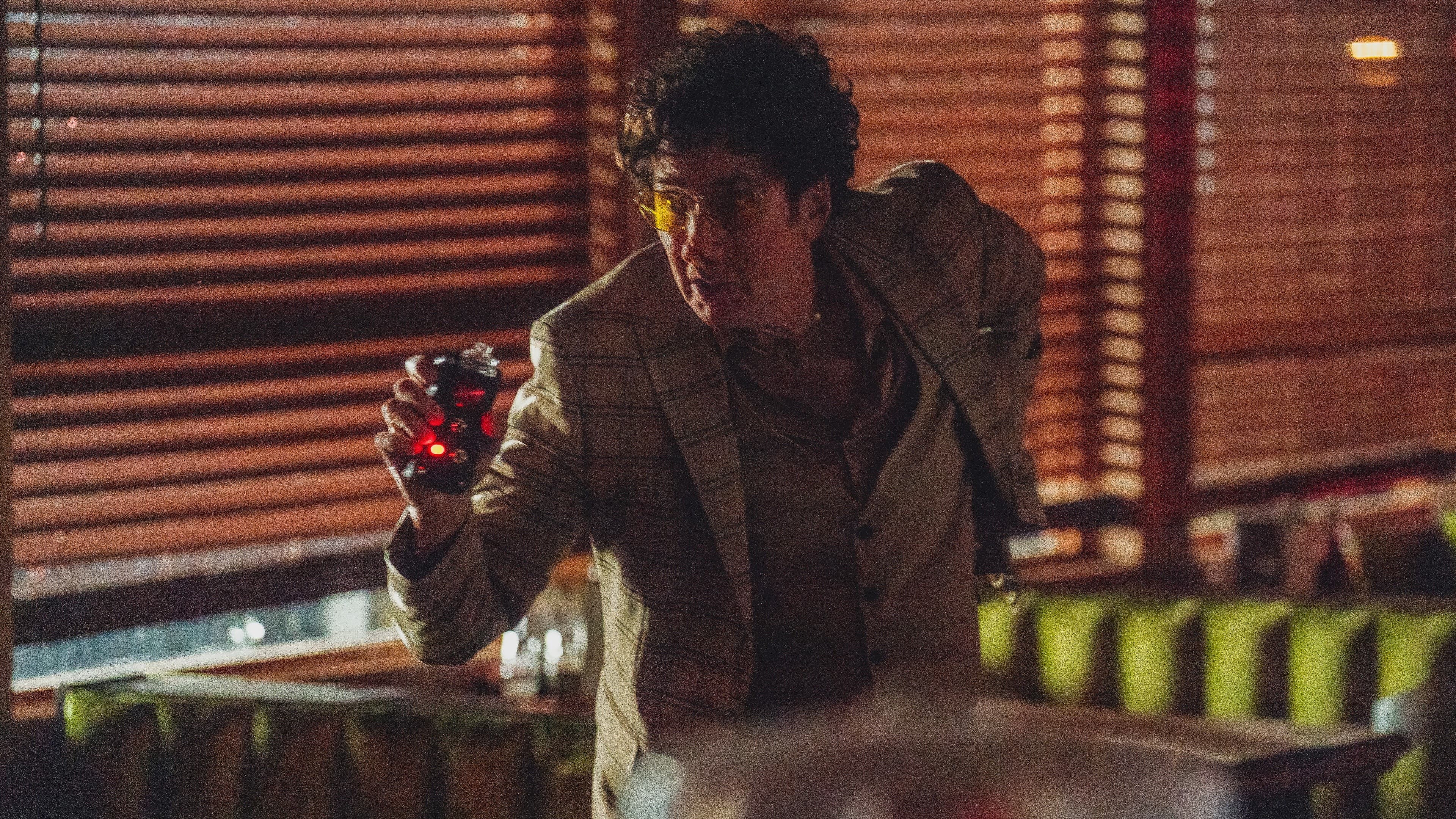
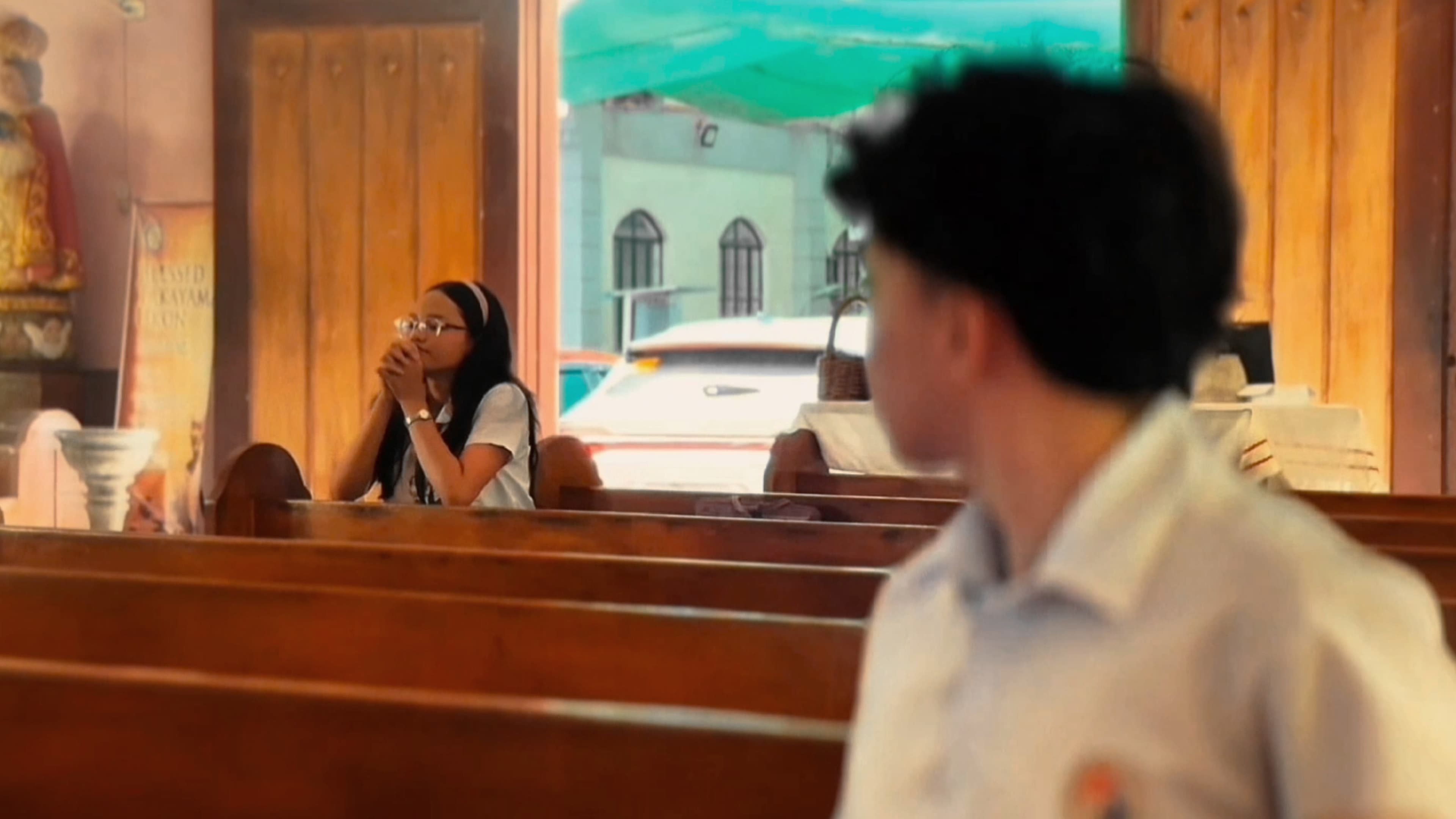
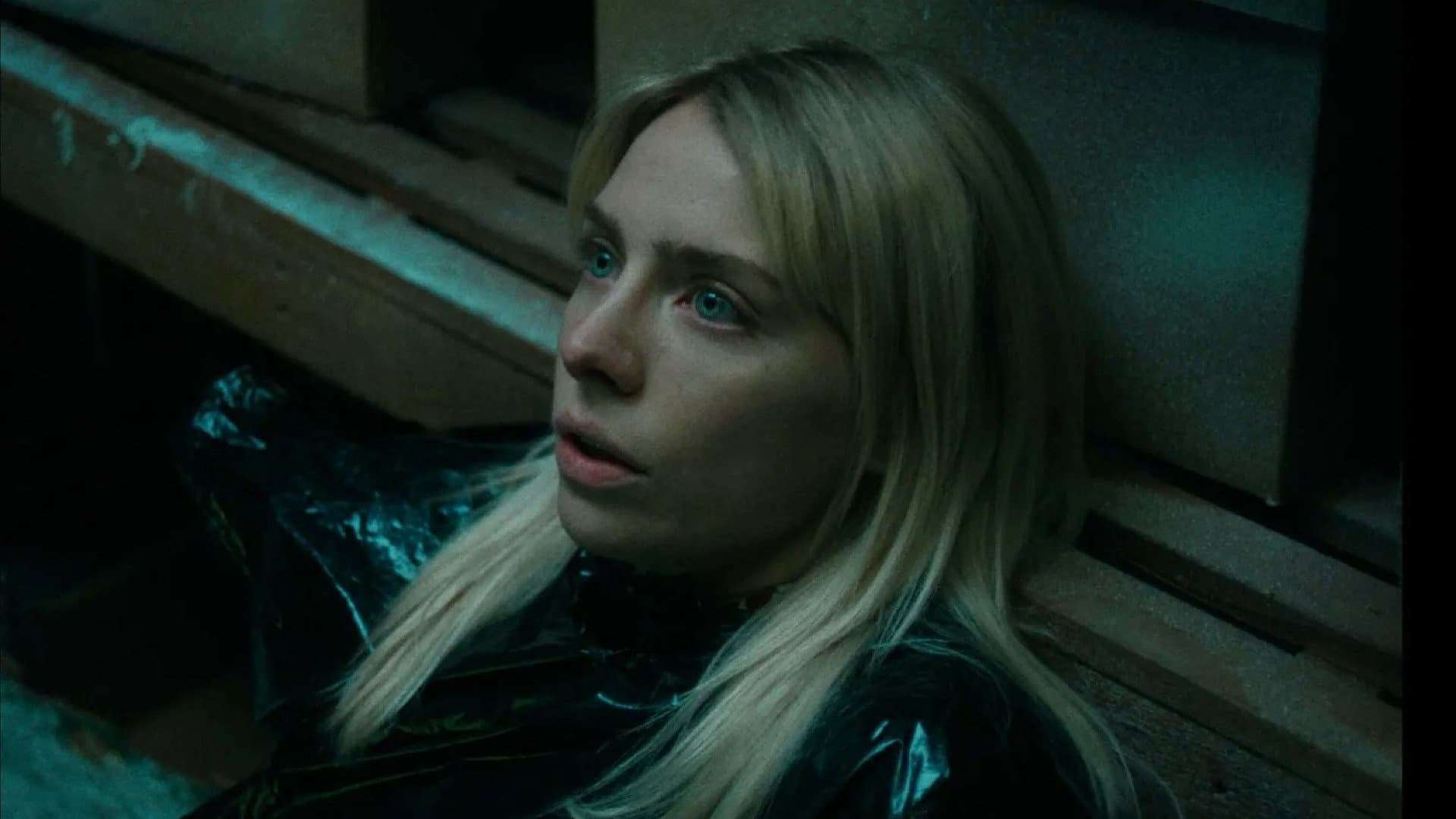
The film is built as a portmanteau, weaving together segments that include “Sate the Screen” and “What’s in Your Bag?” The first features Janisse himself alongside Chelsea Rebecca, Zoran Gvojic, Elle Riot Fox and Rich Sommer. The second pairs Dolly Lewis and Merlin Leonhardt, with Richard Kind appearing as himself, a bit of casting that promises a very particular kind of discomfort. Anyone who has followed Janisse’s work will recognize the names as a family reunion of sorts, the YouTube horror commentariat stepping into the frame they usually dissect. That crossover is not a gimmick so much as a sensibility. The film knows that its audience has watched a thousand kill counts. It wants to see what happens when the counting stops and the bodies start.
What lingers is the image at the center: a child, a screen, a father holding the whole terrible economy together. It’s not a subtle metaphor, and it doesn’t need to be. Parenting as content pipeline. Childhood attention as an appetite that has to be satisfied. The butcher shop back room, all sawdust and steel hooks, gives the whole thing a texture of grease and fluorescence. The screen is the altar. The father is the priest. The meat is whatever makes it through the door.
Horror has always been a family business, from the midnight creature features to the slasher boom to the streaming era’s fixation on trauma and grief. Fresh Meat slots in somewhere between the campfire and the algorithm. Janisse, who has spent years explaining why certain scares work, seems interested in making a film that refuses to sit still long enough to be explained. The runtime of 116 minutes is generous for the genre, and the structure demands a kind of attention that most modern horror avoids. Segments nest. Tone shifts. Laughter edges into something colder. The film trusts its audience to keep up.
The timing matters, too. October is when horror gets its moment, but the most interesting entries often land a little off-center, and Fresh Meat is that entry this year. It arrives with a built-in community, the kind of readymade audience that a distributor would kill for, and it repays that attention with something self-contained and odd. There are no fussy detours into mythology-building or sequel seeding. The screen must be fed. The father must find ways. The girl must watch. That’s the loop, and the film refuses to break it.
The marketing has been careful not to give away the film’s biggest turns, and that restraint is a kindness. Go in knowing only what the poster tells you. Bring a friend who doesn’t mind holding your sleeve. Expect neither a scream machine nor a slow-burn meditation, but the gristle between them.
What remains after the credits is a question the film never quite answers aloud, which is likely the point. Why do we watch? What do we feed, and what gets fed to us? In Fresh Meat, the answer is on the screen, in the back of a butcher shop, in the dark. And it is still hungry.