Almost a year after his death, Jason David Frank is back on the big screen in a role that has been gestating for the better part of a decade. Legend of the White Dragon, the long-gestating passion project from director Aaron Schoenke, arrived in theaters on August 28, 2026, and it carries with it the weight of a career defined by martial arts heroism. The film, a 97-minute action-fantasy, was a labor of love for Frank, who died in November 2022 before the project saw completion. What audiences receive now is both a tribute and a standalone genre exercise - a gritty, shadow-drenched story of a hero forced into hiding.
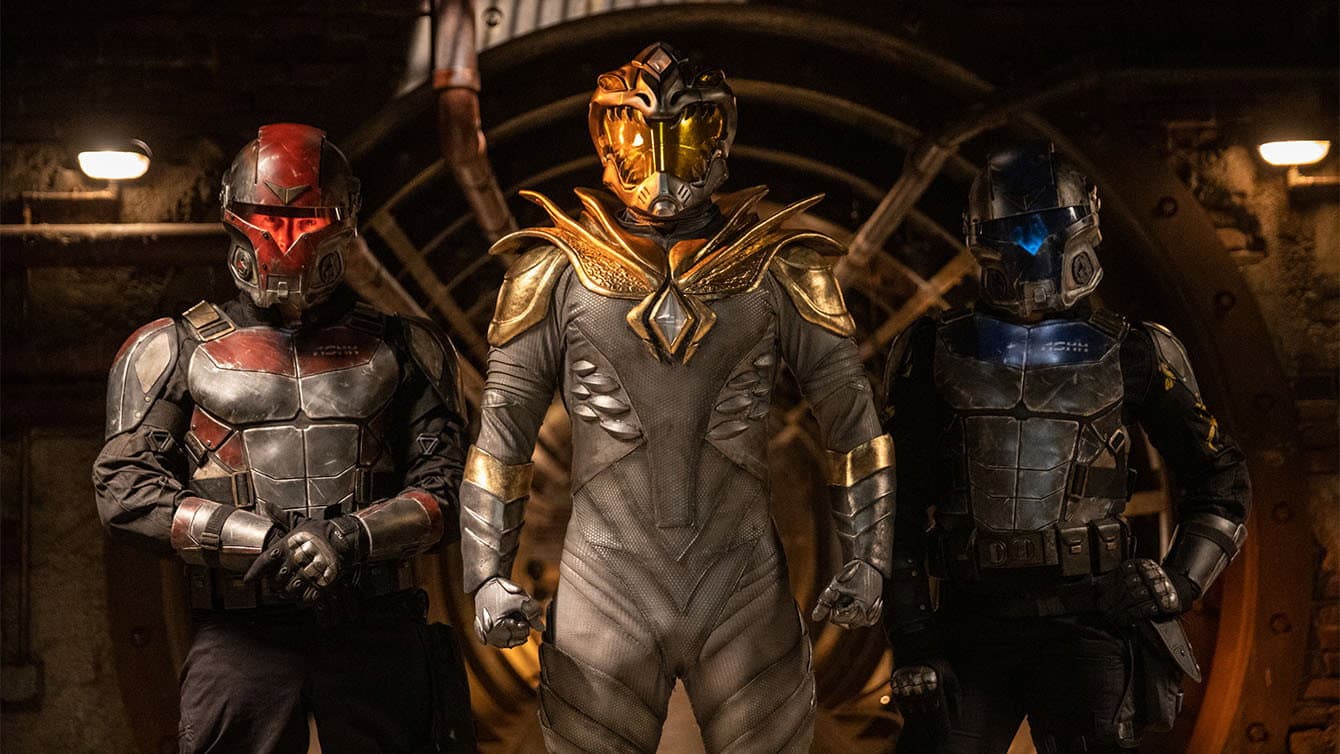
The premise is as classical as the genre allows. Erik Reed, the man beneath the White Dragon mantle, is a fugitive. Framed and hunted, he must clear his name not for glory but for something far more ordinary and far more powerful: the chance to reunite with his family. Standing in his way is a villain whose obsession is absolute - the total destruction of the White Dragon. It is a cat-and-mouse framework, but Schoenke, who also appears in the film as Jai, otherwise known as Dragon Prime, uses it to explore themes of legacy and endurance rather than simple revenge.
Frank's casting as Erik Reed carries an unavoidable resonance. For a generation, he was Tommy Oliver, the Green Ranger and later the White Ranger, a fixture of the Power Rangers franchise. Here, he steps into a different kind of white-clad warrior, one forged in a more somber, adult register. Schoenke, a veteran of fan-film culture who built a following with his Bat in the Sun productions, directs with an obvious affection for practical combat and suit work. The result is a film that feels handcrafted, closer in spirit to independent genre cinema than to the polished machinery of a studio tentpole.
The supporting cast is a mix of familiar faces and collaborators. Jason Faunt, another Power Rangers alum, plays Connor. Rachele Brooke Smith appears as Iris, while Michael Madsen brings his weathered gravitas to the role of Max Reed. David Ramsey, known for his work in the Arrow universe, steps in as Mayor Trevon Sterns. Comedian and actor Andrew Bachelor, credited as U.R.I., and martial arts icon Mark Dacascos as Xang round out a roster that suggests Schoenke was assembling a company of performers who understood the physical demands of the genre.
Critically, the film has landed in middling territory. As of late September, its TMDb rating sits at 5.618 out of 10, with IMDb showing a 5.6. Those numbers tell a familiar story: a niche action-fantasy with a devoted base but a harder time converting general audiences. For fans of Frank, however, the metrics are almost beside the point. The film functions as a final showcase for an actor whose on-screen presence was built on movement, conviction, and a particular kind of earnest intensity. That he completed his work on it before his death gives the project an elegiac quality that no rating can capture.
Schoenke's direction leans into atmosphere. The title promises a legend, and the film delivers a world of dimly lit corridors, clandestine meetings, and bursts of choreographed violence. There is a mythic undertow to the White Dragon's plight - a hero erased from public memory, forced to prove his worth in the margins. It is a narrative that resonates differently when the actor playing him is no longer with us. The fugitive seeking restoration becomes, inadvertently, a meditation on how performers endure through their work.
In an era when superhero and fantasy properties are often defined by their scale, Legend of the White Dragon operates at a more intimate level. It is not trying to reinvent the genre. It is trying to honor it, with a cast that includes veterans of television action and a director who came up through the ranks of independent genre filmmaking. Whether it finds a second life on streaming or among collectors of Frank's filmography, its place in his legacy is secure.
The film is in theaters now, rated for the kind of action its audience expects. For those who grew up watching Frank morph and fight, Legend of the White Dragon offers something more than nostalgia. It offers a final chapter - one he fought to bring to the screen, and one that now stands as his parting gift to the genre he helped define.