Monstrous Me (2026) - Film Preview | Ariel Baska
A gripping 2026 film by Ariel Baska. Dive into the dark, personal tale of identity and transformation in Monstrous Me. Read our full preview.
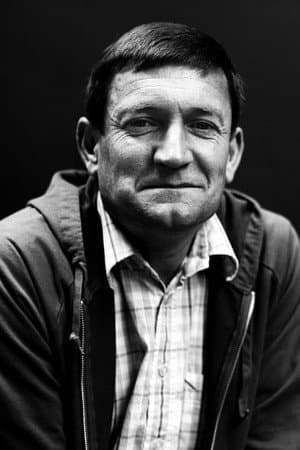
Photo: TMDb
The clatter of a Zenith television in a dimly lit living room. The hiss of a VHS tape being shoved into the deck. A three-year-old’s eyes, peeking through the railings of a coffee table, finding a horror icon with a bladed glove and a burned face. That moment of terrified recognition didn’t break Ariel Baska. It built them. Today, August 9, 2026, sees the release of Monstrous Me, a 16-minute documentary that reframes a childhood scar as a radical act of self-authorship. It’s a small film with a seismic thesis: that a disabled, disfigured child might find salvation not in pity, but in the monstrous.
This isn’t a film about trauma as a wound that never heals. It’s about trauma as a forge. Baska, who directs and stars as themself, has crafted a compact, intimate essay that interrogates the line between victim and villain - and argues that the latter, for some, offers a more survivable path. The documentary’s release date is carefully chosen: August 9, 2026, a date that will now carry the weight of a personal mythology made public. For a film this brief, it arrives with the urgency of a confession, not the pomp of a premiere. You won’t find it in multiplexes; this is the kind of work that thrives in festival circuits, streaming platforms, and the curated quiet of a Vimeo link shared among those who need it most. Check the filmmaker’s social channels and independent documentary hubs - that’s where Monstrous Me will find its audience.
Release Date & Where to Watch
The film officially premieres today, August 9, 2026. Given its 16-minute runtime and documentary genre, the distribution strategy is decidedly niche. As of the release date, it will be available through select on-demand platforms that cater to independent and experimental nonfiction work - think platforms like Vimeo on Demand or the Criterion Channel’s shorts programming, though no formal listing has been confirmed. More likely, it will make the rounds at disability-focused film festivals and LGBTQ+ showcases later this year, where Baska’s work has historically found traction. There is no theatrical rollout, no streaming giant exclusivity. This is a film that demands a viewer’s deliberate choice, not passive scrolling. If you’re curious, your best bet is to follow Baska’s own channels; they’ve been known to host direct premieres for their previous shorts.
Cast & Crew
At the helm is Ariel Baska, who wears multiple hats - director and protagonist - with a clarity that suggests this story has been marinating for decades. The cast is entirely composed of people speaking their own truths: Jules Rico, Ashley Myers, and Camila Franco Ribeiro Gomide appear as themselves, presumably as anchors in Baska’s life - friends, collaborators, or fellow travelers who bear witness to their evolution. The decision to cast only “self” roles, credited verbatim, reinforces the documentary’s vérité pledge. There’s no dramatization, no actorly distance. Baska’s directorial hand is evident in the film’s concision; 16 minutes is barely enough for a featurette, but more than enough for a thesis. Credit must also go to the unknown cinematographers and editors who helped shape this intimate visual language, though the primary auteur voice is unmistakably Baska’s. The film’s zero rating on TMDb is a reflection of its just-released status - neither a mark of quality nor a slight, merely an empty ledger awaiting judgment.
Story & What to Expect
The synopsis is a gut punch. A three-year-old Ariel, disabled and disfigured, sits under a coffee table while a negligent babysitter gets high with her boyfriend, a VHS of A Nightmare on Elm Street flickering in the background. Through the slats of furniture, through the fog of weed smoke, the child sees Freddy Krueger. But instead of fear, they find a blueprint. “There was agency in being a monster rather than a martyr,” the film’s logline posits, and that sentence is the film’s beating heart.
Expect no reenactments. No shadowy actors playing “young Ariel.” Instead, Monstrous Me likely weaves together archive footage, home movies, and direct-to-camera testimony from the adult Baska, who narrates their own past with a surgeon’s precision. The film doesn’t wallow in the specifics of neglect - the babysitter, the boyfriend, the weed are all contextual, never spectacle. The focus stays on the cognitive leap: how a child, perceiving their body as already outcast, chose to identify with the slasher. That choice, the film argues, was a survival strategy. A martyr dies for others; a monster inflicts. But a monster also controls, sets the rules, owns the darkness.
Visually, expect a stark, low-budget aesthetic. The 16-minute runtime suggests a tight edit, likely cycling between still photographs and intimacy-lensed talking heads. The horror-movie references won’t stop at Elm Street - Krueger is the gateway, but the film may gesture toward other genre archetypes to examine how disabled bodies are often relegated to either inspiration or terror. Baska’s own voice, presumably steady and unflinching, carries the narrative. Don’t expect a redemption arc that ends with “I’m actually beautiful inside.” This is a more complex proposition: that owning the “monstrous” label can be a form of liberation, not a capitulation.
Why It’s Worth Watching
For those tired of saccharine disability narratives, Monstrous Me is a cold glass of water. It refuses the comfort of uplift. Baska’s premise is radical in its honesty - that a three-year-old, confronted with an image of violence and disfigurement, found kinship. That’s not a comfortable truth, and the film doesn’t try to make it one. It’s a work of reclamation, taking the language of monsterdom and recoding it as power. In a cinematic landscape where documentaries about disability often center on heroic striving, this film offers a different currency: defiant ownership.
For American audiences, it’s also a reminder that independent documentary remains our most vital fringe art form. Director Baska, working from a deeply personal place, has made a 16-minute argument that will sit in your gut longer than most two-hour features. The presence of collaborators Rico, Myers, and Gomide suggests a communal validation - a chosen family who have heard this story and attest to its truth. The TMDb rating of zero is a blank slate, an invitation for you to be the first to judge. And that’s exactly the point: Monstrous Me doesn’t ask for your pity, your applause, or even your understanding. It asks you to look. Through those coffee-table railings, from that dark corner, a child decided the name they would carry. Today, the rest of us get to hear it.