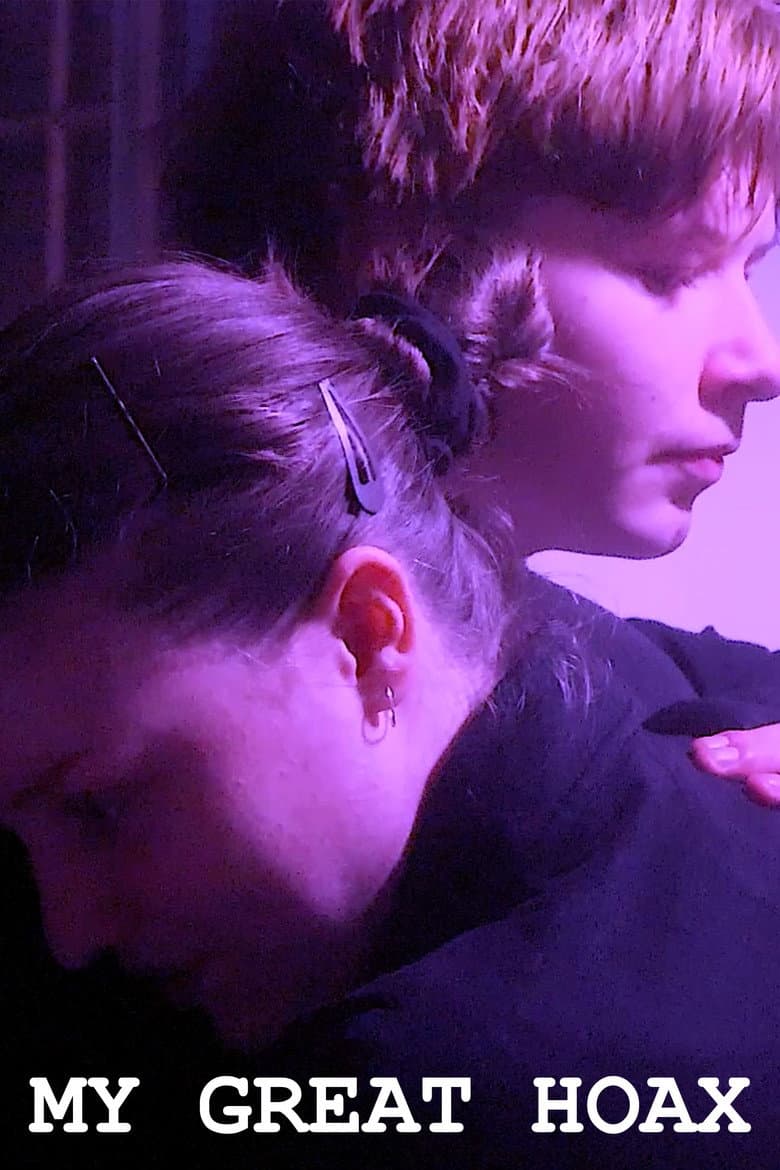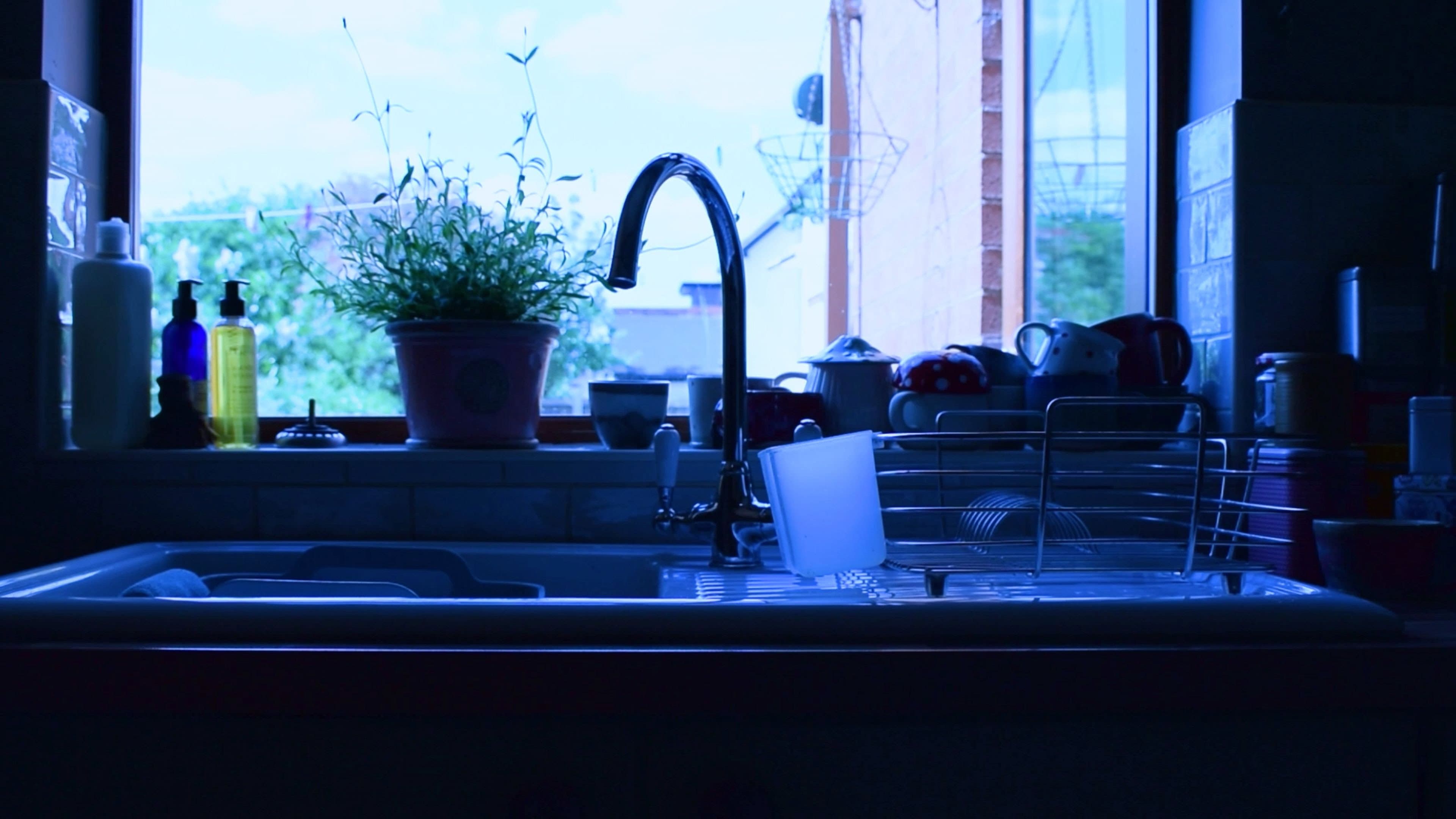
Seven Minutes (2026) - Official Preview & Insights
Photo: TMDb
The calendar says August 13, 2026, and while the summer blockbuster season is winding down, the festival circuit is just beginning to hum. That’s where you’ll find the year’s most intriguing micro-drama, a haunting five-minute meditation on time, grief, and the terrifying blur of early adulthood. It’s called Seven Minutes, and it arrives today with the quiet force of a thunderclap in a library. Don’t let the runtime fool you; this isn’t a trailer or a teaser for something bigger. It’s a complete, self-contained gut punch, and it’s asking a deceptively simple question: what if the moments you think you’re living aren’t actually happening at all?
Release Date & Where to Watch
Seven Minutes officially premieres today, August 13, 2026. For those tracking the festival circuit, this is a prime slot - late summer is when programmers look for intimate character pieces to round out their fall slates. As of this writing, the film is making its debut as a festival entry, with primary screenings scheduled for select arthouse showcases along the East Coast. Distributors are circling, but for the general public, your best bet is to keep an eye on the short-film programming at major festivals like Telluride and Toronto in the coming weeks. Given its concise length, it’s also a strong candidate for streaming platforms that specialize in short-form cinema, particularly those that curate narrative experiments. Right now, the safest advice is to check the director’s official channels and the film’s festival listing - this is a piece that will likely travel, but it will travel fast. Don’t expect a wide theatrical release; that’s not the point. The point is to see it in a dark room, with strangers, where the silence after the final frame feels like part of the movie.
Cast & Crew
At the helm is director Eleri Charles, a filmmaker whose previous work has shown a keen eye for the unspoken tensions between people. With Seven Minutes, Charles steps into more experimental territory, collapsing a feature-length emotional arc into a single breath of screen time. The casting is tight and deliberate. Libby Beaman takes on the central role of Juliet, a student on the cusp of graduation who is unraveling in ways she can’t quite name. Beaman’s performance is a masterclass in micro-expression; she has to convey a lifetime of confusion and quiet dread in real-time. She’s supported by Alicja Biernat as Zoe, a presence that feels like a warm memory slipping away, and Molly Bramwell as Eve, who grounds the film in a reality that may or may not be trustworthy. The trio shares an unspoken chemistry that makes the film’s central mystery feel lived-in rather than merely plotted. Charles directs with a lean, confident touch, trusting her actors to carry the load. The cinematography, reportedly shot on 16mm, gives everything a grainy, nostalgic texture that amplifies the film’s themes of memory and loss. There’s no score to speak of - just natural sound, which makes the silences feel heavy, almost suffocating.
Story & What to Expect
Juliet is finishing college. That’s the setup. She’s navigating the usual storm of final exams, fading friendships, and the prospect of a future that feels both wide open and terrifyingly empty. But as the film opens, we catch a glimpse of something off-kilter. Her conversations with Zoe and Eve feel like echoes, as if they’ve had them before. A watch on the nightstand ticks faster than it should. Things move, then freeze. The film’s title, Seven Minutes, refers to the presumed duration of Juliet’s reality - but as the minutes tick by, the audience begins to suspect that Juliet is not moving through time so much as circling it. Is she reliving the same conversation? Is she stuck in the limbo of her own grief? Or is something far more mundane and horrifying happening - like a seizure, or a dissociative episode, or the final moments of life flashing before her eyes?
Charles doesn’t give easy answers. The script, sparse and elliptical, allows for multiple interpretations. What’s most striking is how much emotional weight is packed into such a short window. You watch Beaman’s Juliet cycle through desperate hope, brittle laughter, and a chilling resignation. It’s a film about the end of something - whether that’s school, a relationship, or consciousness itself. There’s a recurring motif of doors left slightly ajar, and a lingering shot of a train platform that will feel uncomfortably familiar to anyone who has ever said a goodbye they knew would be final. The pacing is deliberate; every second feels earned. You’ll leave the theater (or your sofa) checking your own pulse, wondering if you’ve been paying attention to the seams in your own day-to-day life. It’s less a traditional narrative than an atmospheric puzzle box, a whisper in your ear that says, "Hey. What if the last five minutes of your life felt like the last five years?"
Why It's Worth Watching
In a cinematic landscape bloated with two-and-a-half-hour epics that feel like they could lose half an hour without anyone noticing, Seven Minutes is a radical act of brevity. It respects your time by using it ruthlessly. This is a film that demands your full attention and rewards you with a resonance that lingers long after the credits roll - which, given the runtime, is practically immediately. For cinephiles, it’s a fascinating case study in compressed storytelling, proof that you don’t need a three-act structure to land a devastating emotional blow. It also serves as a perfect calling card for Eleri Charles, whose talent for mood and subtext announces her as a director to watch for feature-length projects.
But beyond the formal experiment, the film works because it taps into a universal, unspoken anxiety: the feeling that you’re not quite present in your own life. That’s a fear that transcends age, though it hits hardest for those standing on the precipice of a major change - like graduation. For anyone who has ever felt like they were sleepwalking through a pivotal moment, or replaying a painful memory on loop, Juliet’s story will feel uncomfortably familiar. It’s a quiet, unassuming film that doesn’t beg for your attention; it simply commands it through sheer, concentrated artistry. If you get the chance to see it, do so. Set aside seven minutes. You’ll be thinking about them for much longer.