The first thing Jennifer Peedom noticed, standing at the base of the mountain she had filmed for decades, was the silence below the wind. "There is a moment when you stop being a visitor and become part of the story," the director says. That moment, she argues, is where her new film Tenzing begins.
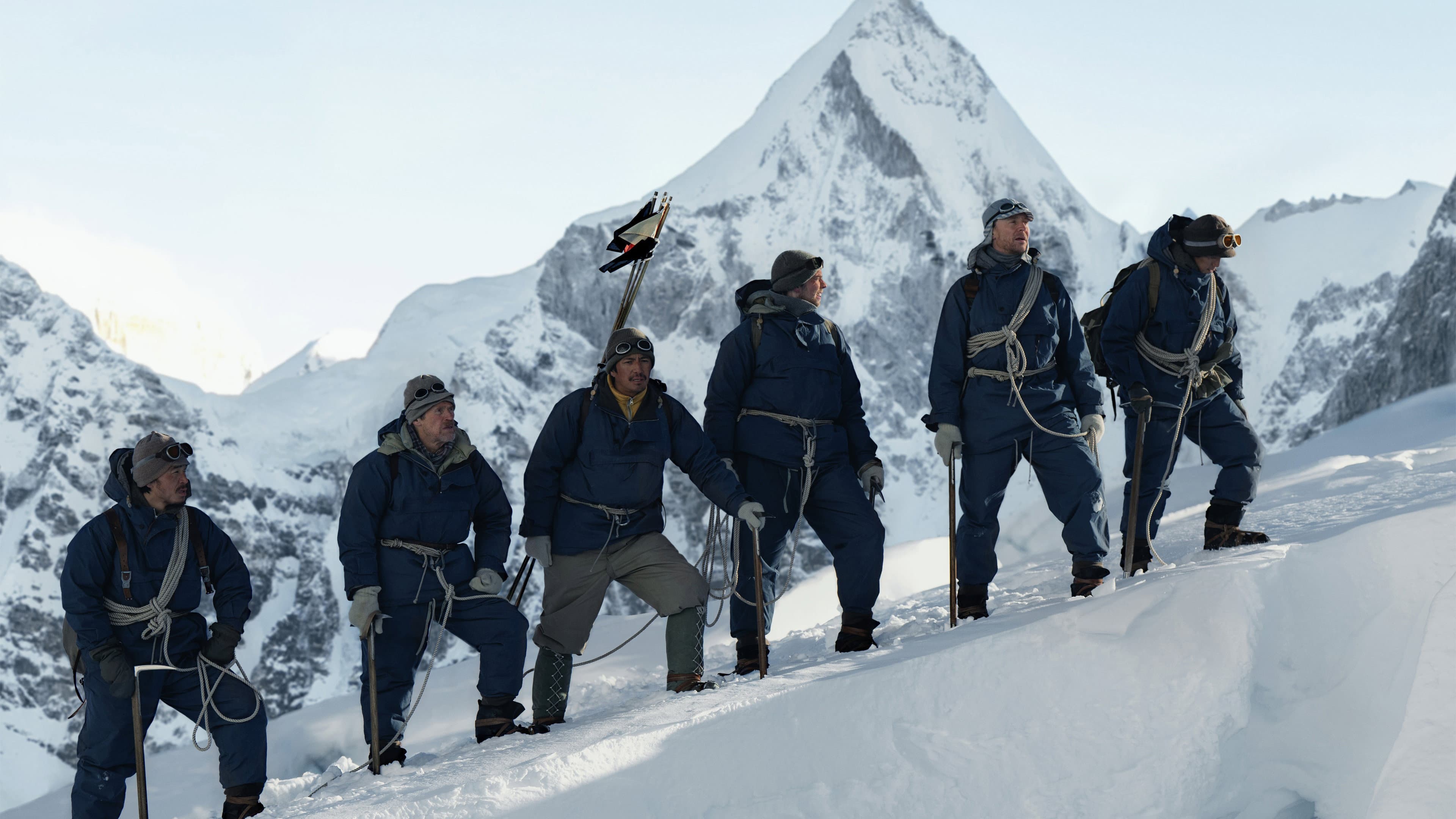
Released in theaters on October 9, Tenzing dramatizes the determined quest of a man who defies seemingly impossible odds to fulfill his dream of being the first to reach the summit of Mount Everest. Across 126 minutes, the Hollywood production - an English-language drama rooted in history - follows Tenzing Norgay from his beginnings as a boy (played by Samdrup Dorje Lama at nine years old) to the expedition that would etch his name into the record of human achievement.
Genden Phuntsok steps into the role of Tenzing, carrying the film's emotional and physical weight. Tom Hiddleston plays Ed Hillary, the climbing partner whose life became permanently tangled with Tenzing's on the mountain. Willem Dafoe appears as John Hunt, the expedition's organizer, while Johnny Flynn brings George Mallory back to the screen - a figure whose earlier attempts shadow the entire endeavor. Lhakpa Tsamchoe, Bhuchung Kata, Mingma Jampa Kalsang Tamang and others round out the ensemble, grounding the climb in the communities that made it possible.
Peedom, best known for her documentary work in high-altitude landscapes, said the move to narrative filmmaking required a different kind of discipline. "When you're filming a real mountain, you wait for the weather," she says. "When you're telling a story, the mountain has to arrive on time." She and her team shot in conditions that cast and crew describe as punishing, though the production declines to detail locations beyond the obvious - the mountain's shadow hangs over every frame.
The film's central tension isn't whether the summit will be reached; history has settled that question. It's the question of who gets remembered. The screenplay, developed under Peedom's direction, gives generous space to Tenzing's interior life - his family, his ambition, and the quiet negotiations of dignity that accompanied a man whose achievement was, for many years, told through someone else's eyes. Kinzom, played by Lhakpa Tsamchoe, anchors those scenes, offering a domestic counterpoint to the thin air above.
Early audience response suggests the approach has landed. The film currently holds a TMDb rating of 8.237/10, with an IMDb rating of 7.7. Those numbers, while preliminary, indicate that the blend of historical drama and high-altitude spectacle has connected with viewers beyond the usual climbing enthusiasts.
Hiddleston's Hillary is a study in restraint - a man aware that his fame will outstrip his partner's, and that the discrepancy is unfair. Dafoe, meanwhile, gives Hunt a bureaucratic edge that keeps the expedition from becoming pure romance. And Flynn's Mallory, glimpsed in flashback, provides a ghostly precedent: the mountain had taken men before, and it would not stop.
Samdrup Dorje Lama's young Tenzing, appearing in the film's early stretches, does much of the work of establishing stakes. His scenes, set in a world far from ice and altitude, make the later ascent feel less like an adventure and more like an inevitability - a destiny assembled from small, stubborn choices.
Peedom is careful to avoid hagiography. "We're not making a monument," she says. "We're making a portrait of a person who was extraordinary and also human." That balance - between awe and intimacy - is where Tenzing finds its footing. The mountain sequences are immersive, but the film's most lasting images may be the quieter ones: a family's kitchen, a rope coiled by hand, a man looking at a peak and deciding, not once but many times, to keep going.
With a runtime of 126 minutes, Tenzing moves briskly without feeling rushed, though some viewers may wish for deeper dives into the decades that followed the famous climb. The film ends where many stories begin - with a name, finally spoken in full.
For Peedom, the project closes a circle. After years of documenting the people who live and die near Everest, she has now told the story of one of them in a form that will reach audiences far beyond the mountain's base camps. "The mountain doesn't care who is first," she says. "But we should." Tenzing is in theaters now.