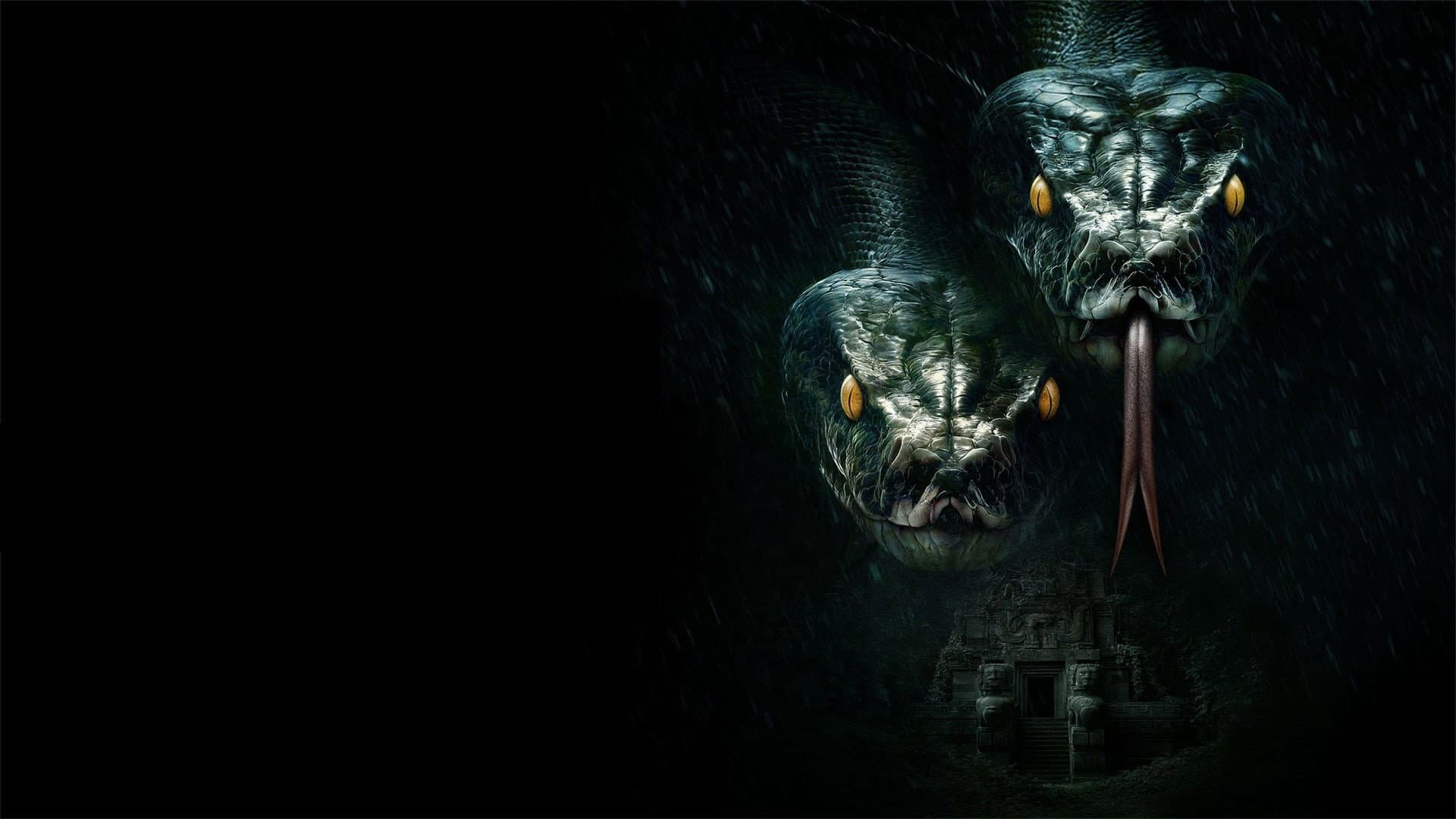
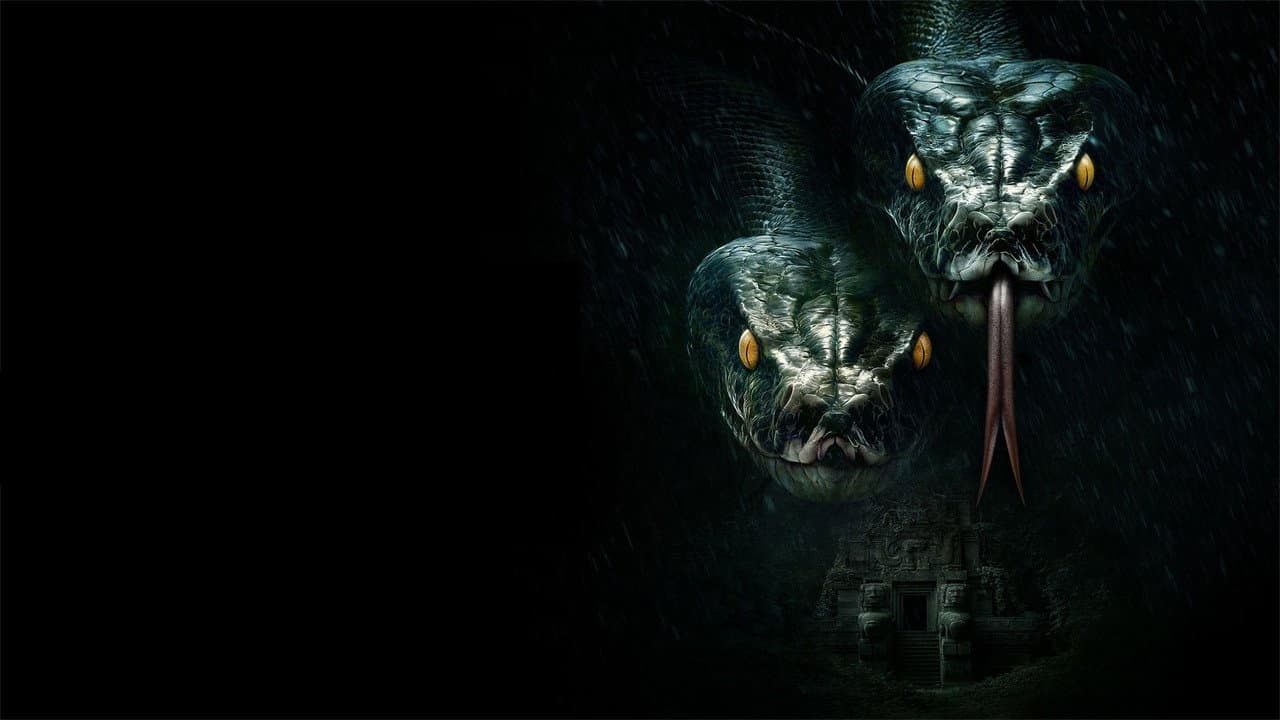
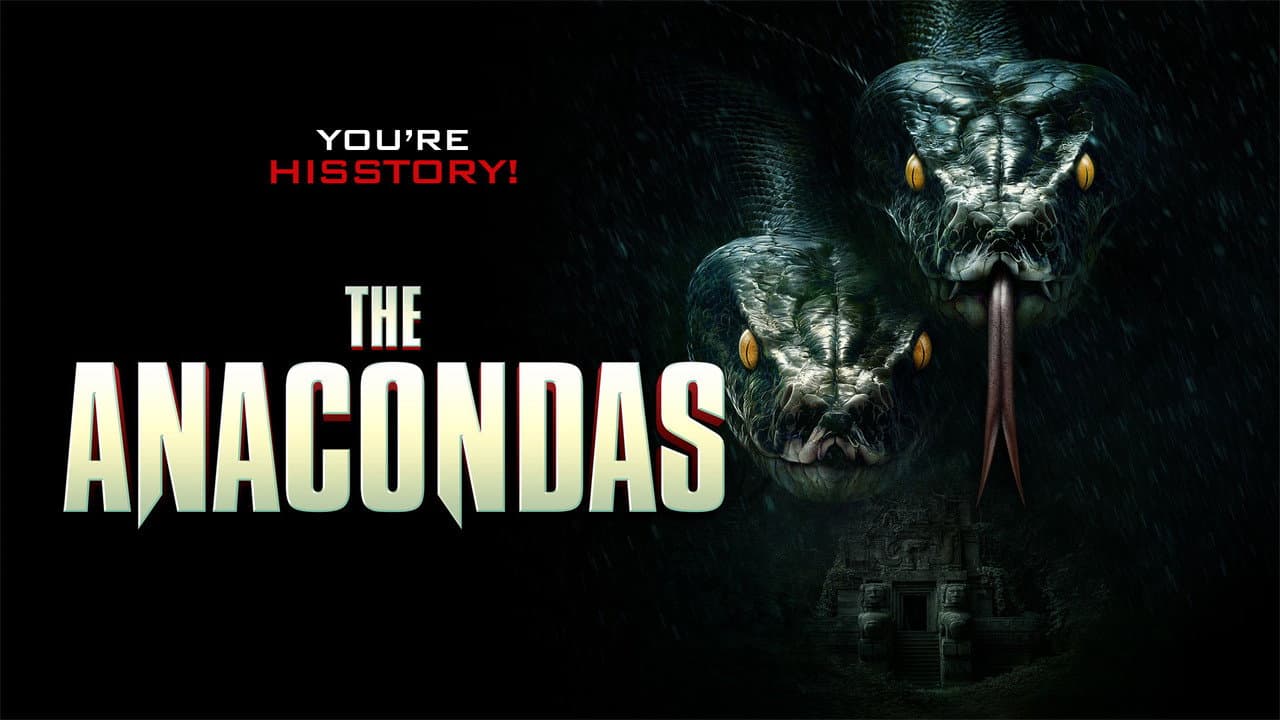
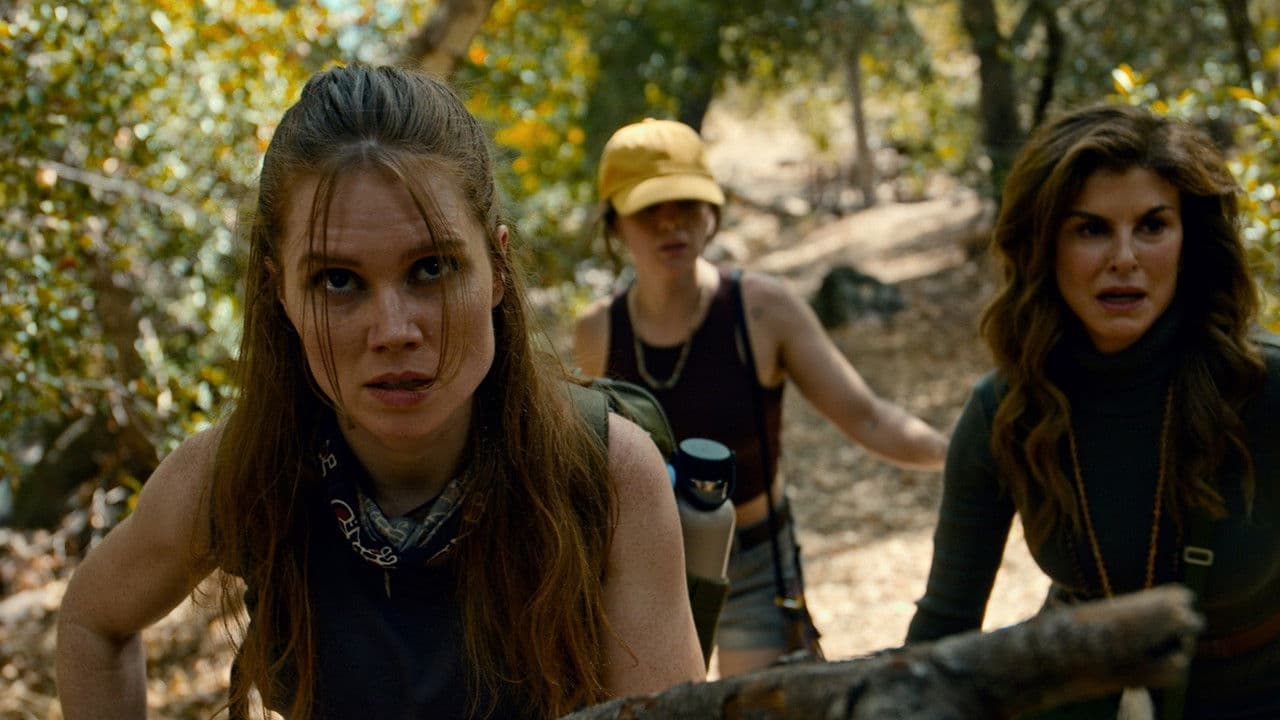
The ruins were supposed to be the story. Somewhere in the Mexican jungle, a team of explorers stumbles onto the remnants of a civilization that worshipped serpents - altars, carvings, the whole archaeological dream. What they find instead, buried beneath centuries of silence, is something that has been waiting. The Anacondas, directed by Marcel Walz, arrives with a premise that reads like a pulpy adventure serial and a release date that planted it squarely in the winter corridor. It opened on December 19, 2025, carrying a lean 90-minute runtime and a cast led by Hannah Hueston as Amy Briars, and it has spent the months since carving out a stubborn little niche among creature-feature devotees.
The setup is deceptively classical. Discovery breeds celebration, celebration breeds carelessness, and carelessness wakes the thing that should have stayed asleep. In this case, the thing is an ever-growing anaconda that has gone without human sacrifices for centuries and is not inclined to be gracious about the interruption. Walz, working in the action-adventure-horror lane, keeps the machinery simple: a remote location, a shrinking group, and a predator that treats the jungle as its dining room. Jordan Iverach plays Irving Jones, Philipp Karner is Steve Bell, and Dominic Keating appears as Dr. Agustin Stiglitz, the sort of name that practically announces scholarly hubris before the character has said a word. Maureen Kedes, Bix Krieger, Giselle Garci, and Marcus Mannis round out the ensemble as Bella Jacobs, Jess Mansfield, Ichtaca, and Atzi respectively.
What distinguishes the film from the average snake-on-a-rampage outing is its willingness to lean into the mythology it invents. The snake-worshipping civilization isn't just set dressing; the creature's growth is tied to the rituals it was denied, which gives the monster a folkloric logic rather than a purely biological one. Garci's Ichtaca and Mannis's Atzi, characters whose names carry the weight of that lost culture, suggest the film is at least trying to treat its premise with a straight face. Whether audiences bought the seriousness is another matter. On TMDb, the film sits at a 3.6 out of 10, a number that places it firmly in the love-it-or-loathe-it territory where creature features tend to live. Genre fans are often kinder to practical ambition than general audiences are, and a movie about an ancient snake god's pet has a built-in constituency.
The 90-minute runtime is its own statement of intent. There is no room here for subplot sprawl or extended origin sequences; the film has to move, and by most accounts it does. Walz has built a reputation in independent horror for economy and atmosphere, and The Anacondas applies that sensibility to material that could easily have ballooned into a bloated effects showcase. A jungle setting does half the work for free - every vine looks like a tail, every rustle in the canopy is a threat - and the film's smartest asset may simply be its refusal to overexplain the creature. An anaconda that keeps growing is scarier the less you see of it.
It's also worth noting what the film isn't. It isn't a remake, despite a title that inevitably invites comparison to the late-90s serpent spectaculars. It's an original story built around a specific mythos, and its English-language, Hollywood-produced pedigree places it in a tradition of jungle-adventure horror that stretches back decades. The cast is stocked with recognizable character actors rather than marquee names, which is exactly the right register for this kind of picture. These are people who look like they could plausibly be in the wrong jungle at the wrong time.
Nearly a year after its release, The Anacondas has settled into the afterlife that most mid-budget creature features eventually find: a fixture of streaming queues and late-night watches, the kind of movie people discover on a whim and argue about afterward. The 3.6 rating tells one story; the continued conversation tells another. For Walz and his ensemble, the film represents a deliberate swing at a disreputable genre treated with craft and sincerity. Whether the snake eats well is, as always, in the eye of the beholder.