The irony won’t be lost on anyone who has ever white-knuckled a cable car or peered over the edge of a canyon: in Zip Wire, the most dangerous thing in the sky isn’t the fall. It’s what’s waiting for you on the other side.
Directed by Howard J. Ford, the British filmmaker best known for squeezing every drop of tension out of a single location in The Dead, this latest effort trades the walking dead for the merely murderous. It’s a taut, 95-minute action thriller that opened on August 31, 2026, and it wastes no time getting its heroine off solid ground and into the open air.
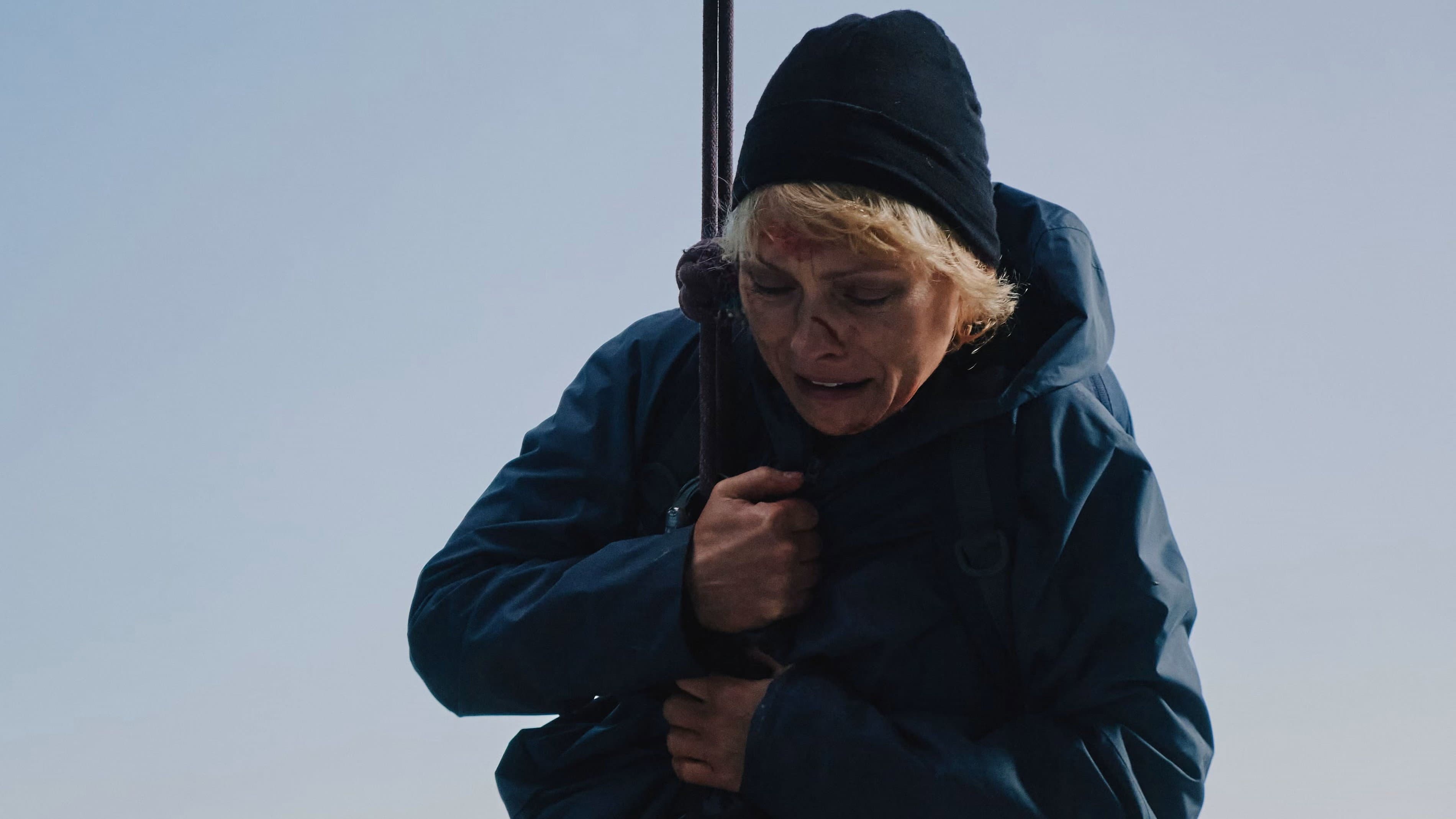
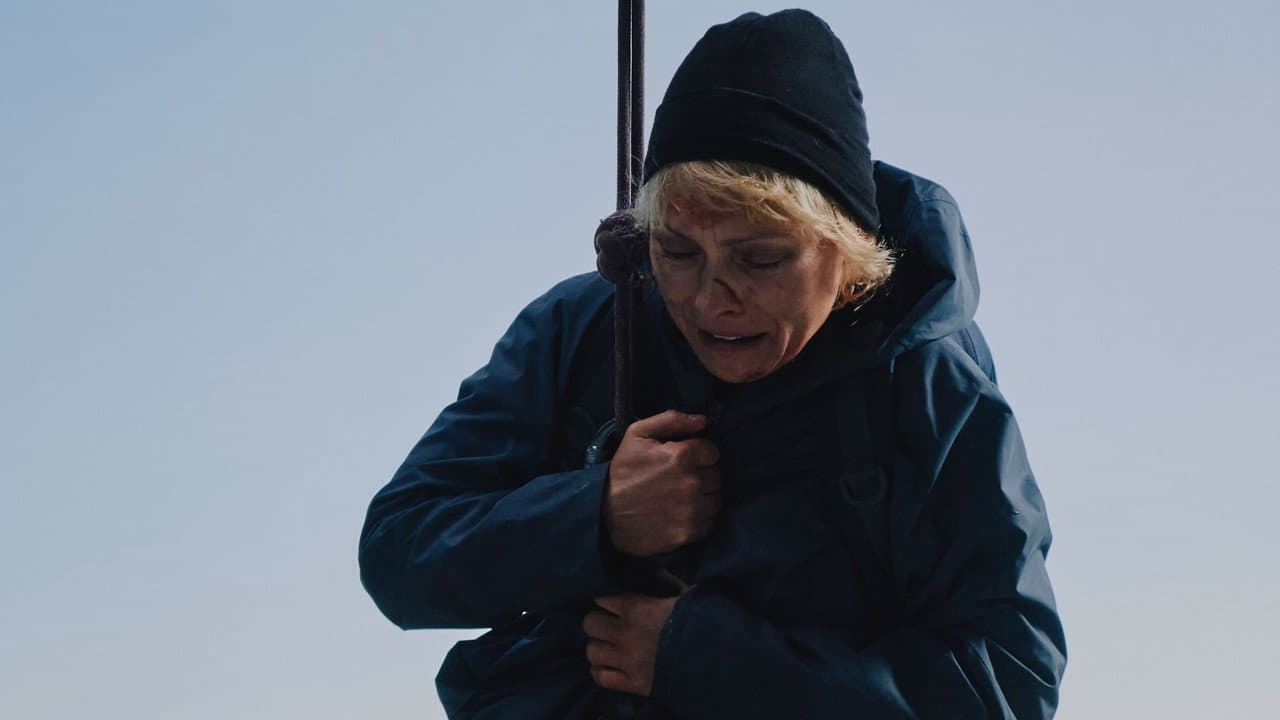
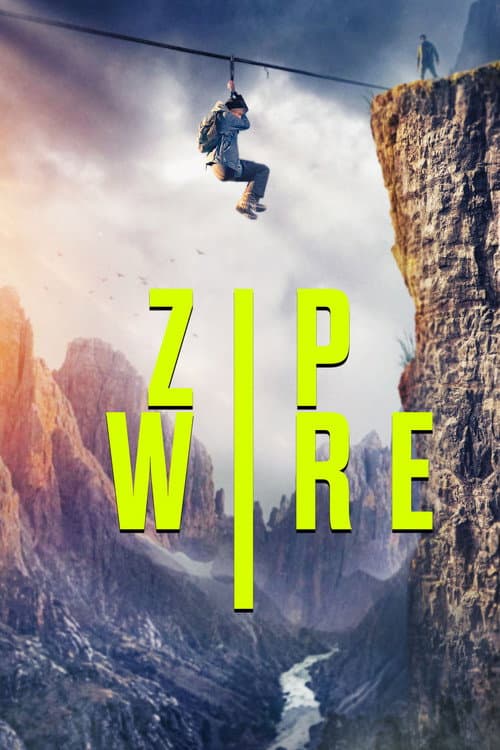
The premise is streamlined, almost elemental. MyAnna Buring stars as Amy Watson, a researcher whose ground-breaking pharmaceutical discovery isn’t just stolen - her partner is murdered in the process. What follows is a chase that forces Amy to confront a fear far more personal than the men with guns: her terror of heights. Her only escape route is a treacherous aerial runway, a zip wire strung high above certain death, and the hostiles pursuing her are counting on her fear to finish what their bullets haven’t.
It’s a clever inversion of the usual action geometry. Most thrillers trap their protagonists in basements, warehouses, or subway tunnels - claustrophobic boxes where the walls close in. Ford does the opposite. He strands Amy in vertigo, in the one place where the ground itself is the enemy. The result is a film that plays less like a conventional chase and more like a panic attack rendered in wide screen.
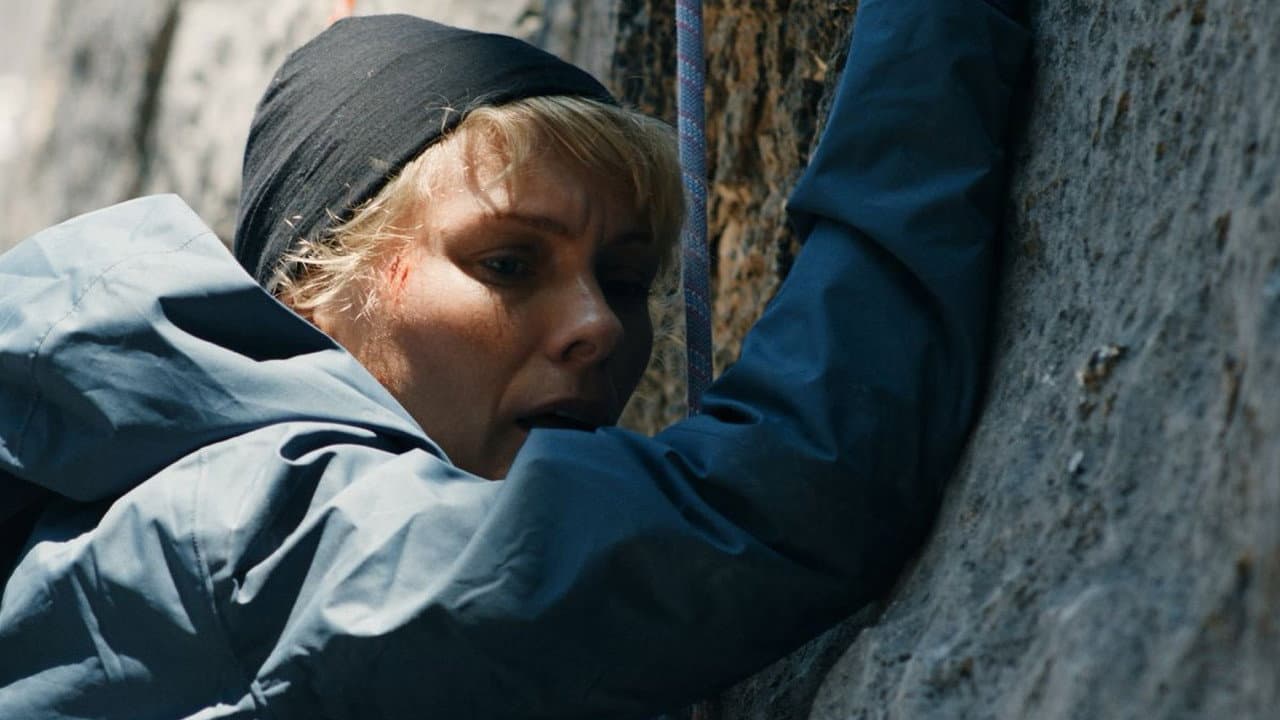
Buring, a veteran of Downton Abbey and Killing Eve, is the film’s anchor. She plays Amy not as a superhero in waiting but as someone whose intelligence is her weapon and whose fear is a living thing. There is a scene - brief, but telling - where Amy’s hands hover over the harness, and you can see the calculation happening behind her eyes: the shame of hesitating, the knowledge that hesitating will kill her. Buring sells that internal war without a word. It’s the kind of performance that reminds you how rarely action heroines are allowed to be genuinely, physically afraid.
She’s surrounded by a capable supporting cast. Joseph Millson brings a weary pragmatism to Evan, while Saffron Burrows classes up the proceedings as Donaldson - a name that suggests corporate menace, and likely delivers it. Michael Amariah and Silvia Presente round out the ensemble as Robert and Chloe, though the film’s focus rarely strays far from Amy’s white-knuckle ordeal.
Ford, who also wrote and produced, keeps the camera restlessly moving, emphasizing the sheer exposure of the setting. The zip wire isn’t just a stunt; it’s a character. Every gust of wind, every fraying strand, every sway of the cable becomes a source of dread. The film understands something that bigger-budget spectacles often forget: tension doesn’t come from scale, it comes from specificity. A 95-minute runtime is a virtue here. There’s no fat to trim, no subplot to pad the middle. It’s lean, muscular filmmaking.
The reviews, it must be said, are all over the map. TMDb users have been notably warmer, landing at a solid 7 out of 10, while IMDb’s 4.1 suggests a sharper divide. That split is telling. This is a film that rewards an audience willing to meet it on its own terms - a B-movie with A-grade intentions, more interested in sweaty-palmed suspense than in the polished set pieces of a studio tentpole. It’s the kind of movie that will find its people, and those people will find it.
What lingers afterward isn’t the gunplay or even the villainy. It’s the image of Amy Watson, suspended between one safe place and another, forced to trust a thin line and her own shaking hands. In a genre that often mistakes invincibility for strength, Zip Wire suggests something more honest: that courage isn’t the absence of fear. It’s the decision to move forward anyway, one terrifying inch at a time.