The arrival of August 23, 2026, marks a quiet but significant moment for independent cinema, as Awakening in the Valley makes its debut. This is not a wide theatrical release with a nine-figure marketing budget; rather, it’s the kind of short film that festivals champion and discerning viewers seek out, a 15-minute meditation on growing up that arrives with a distinct visual and emotional signature. Director Giulia Maria Di Matteo presents a work that feels both intimate and expansive, a carefully crafted study of a young woman’s internal rupture set against a backdrop of eerie calm. For audiences tired of franchise noise, this is a different kind of summer movie.
Release Date & Where to Watch
Awakening in the Valley officially premieres today, August 23, 2026. As of now, the primary platform for viewing is the festival circuit, where the film is expected to make its initial rounds over the coming months. Given the traditional distribution arc for short-form drama of this nature, a streaming release - likely on a curated platform like MUBI or a VOD outlet specializing in independent cinema - is plausible later in the year or in early 2027. There is no wide theatrical run scheduled, so for the immediate future, the best way to catch it will be to track its festival schedule through the director’s or distributor’s official channels. It is a 15-minute commitment, but one that rewards a focused, distraction-free viewing environment, ideally with headphones and no interruptions.
Cast & Crew
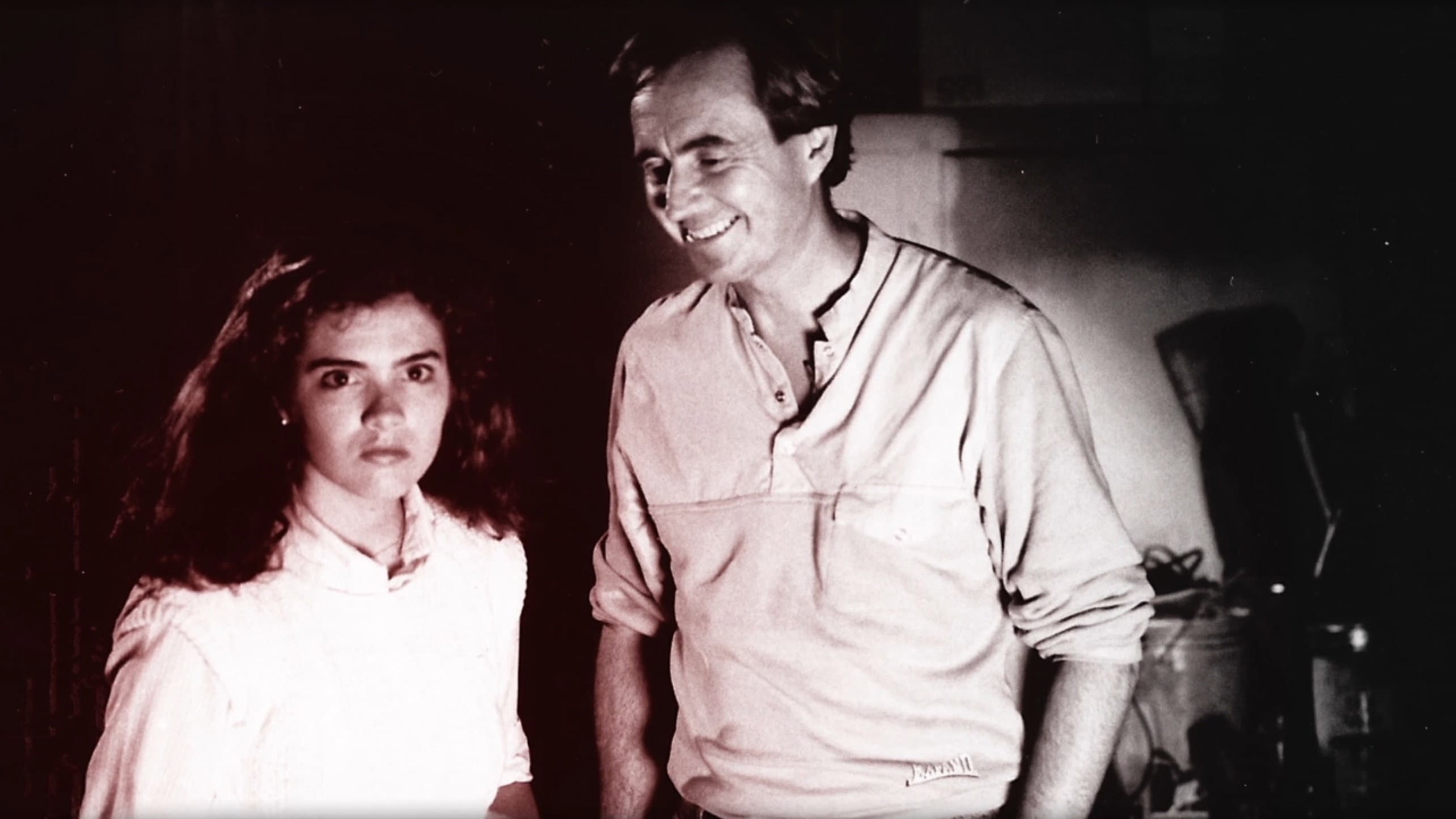
At the helm is Giulia Maria Di Matteo, who not only directs but also steps in front of the camera in a key supporting role. Her work here suggests a filmmaker with a strong grasp of atmosphere and a clear, uncompromising vision. The film rests heavily on the shoulders of Kiara Chawla, who portrays Isola, the protagonist navigating the blurred line between girlhood and something more complicated. Chawla carries the narrative with a performance that avoids melodrama, instead relying on subtle shifts in expression and posture to convey the weight of what her character is running from. The rest of the cast forms a deliberate, almost spectral ensemble: Siyi Lai, Ilaria Di Matteo, and Isabel Oleschuk join the director herself as the four “Girls in white,” figures who seem to populate the valley like recurring motifs rather than traditional characters. Their uniformity is clearly a choice, reinforcing the dreamlike, non-linear logic of the world Isola inhabits. The production benefits from a tight, collaborative energy, typical of a short film made with a clear artistic thesis. There is no prior TMDb rating to gauge audience reception yet, which makes this an unusual and somewhat exciting prospect - a blank slate for early viewers to define its legacy.
Story & What to Expect
The logline promises a familiar coming-of-age framework, but the execution appears to veer into more abstract territory. Isola, during a pivotal summer, finds herself trapped between the safety of childhood and the disorienting demands of adulthood. Rather than confront the messiness within herself, she escapes into a dreamlike valley - a space that feels suspended in time, where solitude initially presents as liberation. This is where the film’s visual language will likely take precedence: expect lush, hazy cinematography that contrasts the idyllic, almost pastoral setting with the growing unease of the narrative.
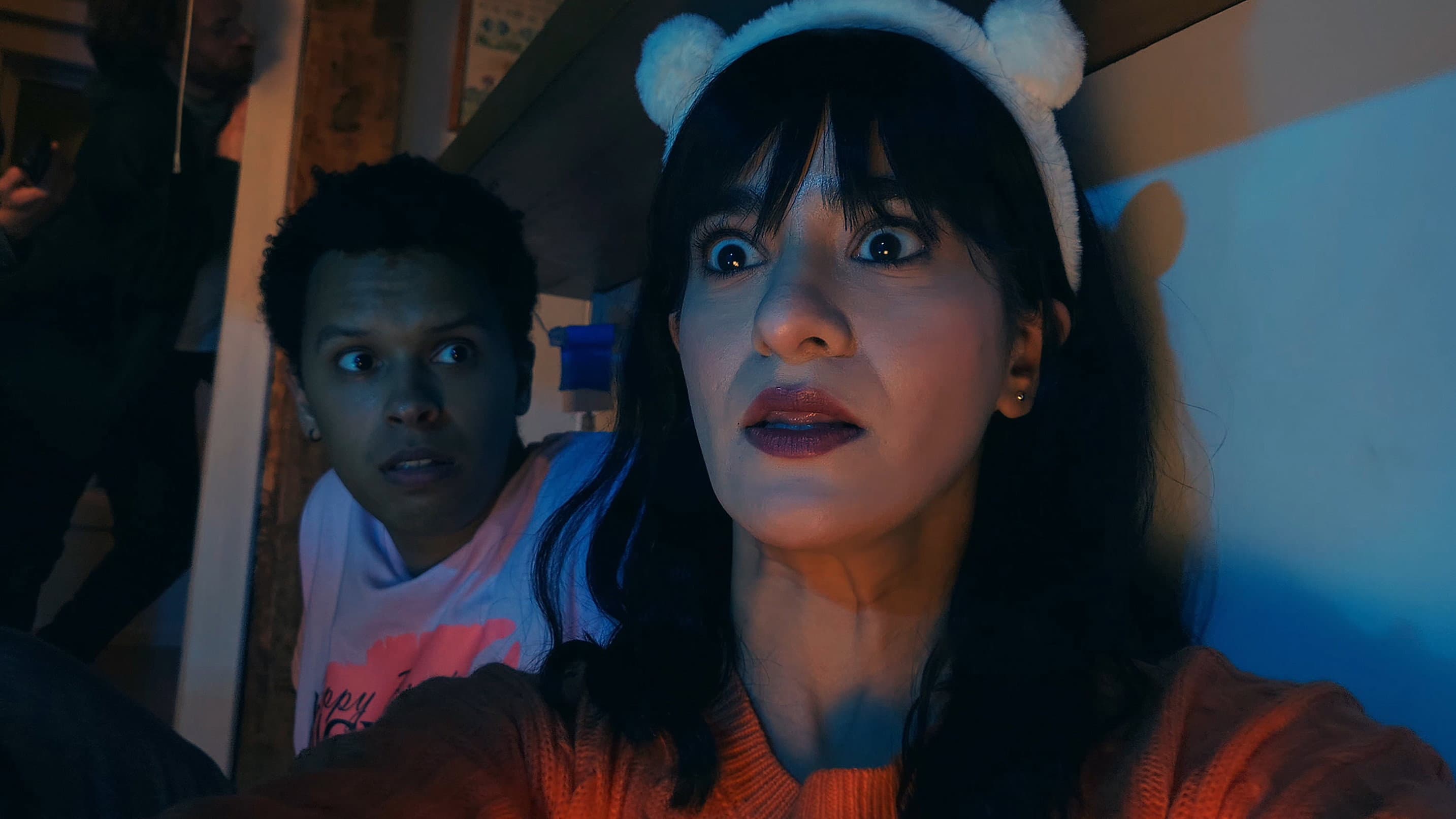
Then comes the twist: a mysterious phone call begins to follow Isola through this supposedly perfect retreat. It’s a brilliant, low-fi device that introduces a thread of modern anxiety into a setting that feels deliberately anachronistic. The phone call acts as an intrusion of the outside world, a persistent reminder of the reality she’s tried to shed. As the calls persist, the valley - far from being a sanctuary - transforms into a pressure cooker. The solitude that initially felt like freedom slowly curdles into isolation, and the dreamlike quality becomes less idyllic and more unsettling. The four girls in white, likely recurring presences, may represent facets of Isola’s own psyche or the ghosts of her past - the film does not spoon-feed answers.
Expect a plot that prioritizes mood and metaphor over linear explanation. At 15 minutes, there is no room for filler; every shot, every line of dialogue, and every ambient sound is likely intentional. Di Matteo seems to be crafting a piece about escapism that fails, about the futility of trying to outrun your own mind. The merging of pastoral beauty with a psychological thriller’s dread is a promising tension. Viewers should anticipate a slow-burn that builds to an emotional, rather than explosive, climax, one that forces Isola - and the audience - to acknowledge what she has been desperately trying to leave behind. The resolution is likely less about solving the mystery of the call and more about the confrontation with self.
Why It's Worth Watching
In a media landscape saturated with two-hour-plus epics, there’s something refreshingly confident about a 15-minute film that tries to do so much with so little. Awakening in the Valley is worth your attention for several reasons, chief among them the economical storytelling. It trusts its audience to read between the lines, to feel the shift in tone from peaceful to paranoid without explicit signposting.
The dynamic between Kiara Chawla’s raw, interior performance and Giulia Maria Di Matteo’s assured direction is the film’s primary draw. There is a palpable, collaborative energy that suggests both artist and subject are deeply invested in the material. Moreover, the film’s theme - the anxiety of transition, the powerful lure of hiding versus the harder work of confronting - is universally resonant. It speaks to anyone who has ever wanted to simply vanish into a beautiful place to avoid a difficult truth.
The central conceit of the phone call is also brilliantly symbolic, representing how, in our hyper-connected age, true escape is an illusion. You can change your scenery, but you cannot change the network. The film is a timely reminder that internal conflicts are not resolved by geography alone. For those who appreciate character-driven drama, visual storytelling, and a dash of surreal mystery, Awakening in the Valley is a compelling, evocative piece of work that justifies its brief runtime. It is a calling card announcement for a distinctive new voice in film, and a beautiful, haunting glimpse into a world that lingers long after the screen goes dark.