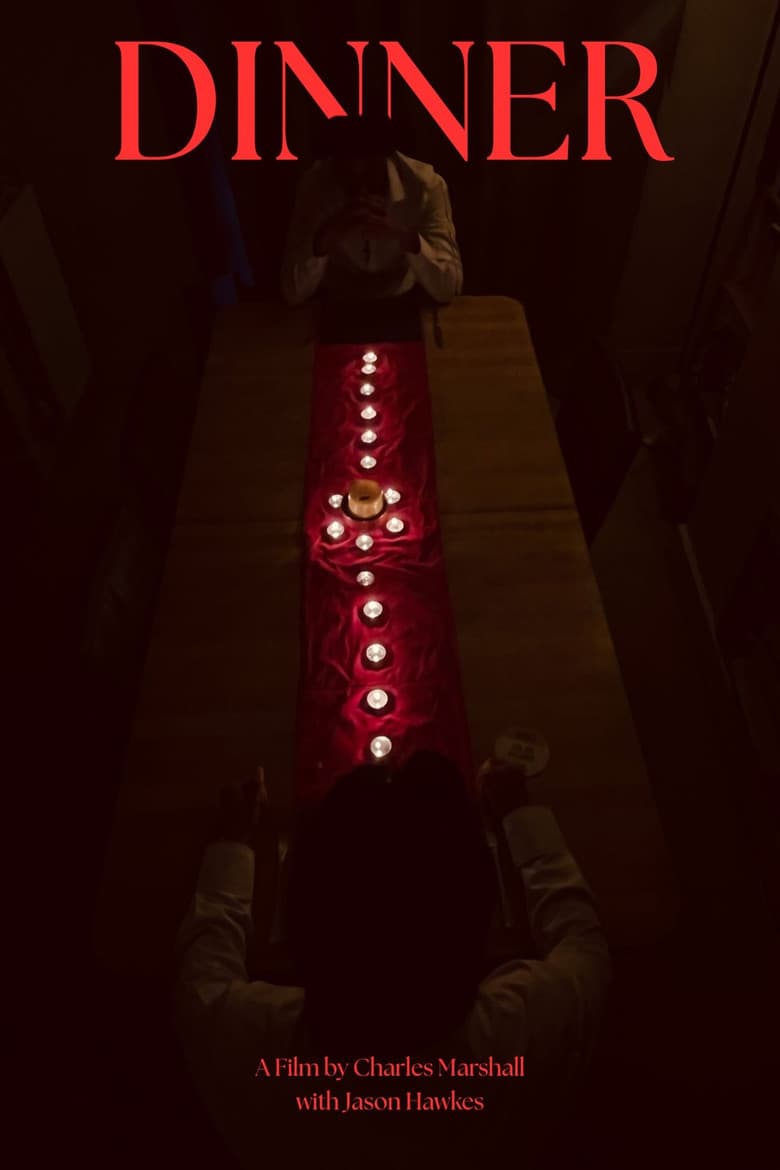
The independent film circuit has long been the proving ground for bold, intimate storytelling, and few projects this season arrive with the kind of quiet, coiled tension that Dinner promises. Directed by Charles C. Marshall, this 25-minute chamber piece is set to make its debut today, August 17, 2026, and it arrives not with a marketing blitz but with a simple, unnerving premise: two old friends share a meal, and nothing is quite what it seems. It’s the kind of film that feels designed for late-night festival screenings and heated post-credits debates, and it’s already positioning itself as a must-watch for anyone who believes that the most explosive drama can happen across a tablecloth.
Release Date & Where to Watch
Dinner officially premieres today, August 17, 2026. As for where you can catch it, the film is currently on the festival circuit, with its opening screening slated for a prestigious independent cinema showcase in Los Angeles this evening. Given its compact runtime, distribution plans are leaning toward the digital arena - expect a VOD and major streaming platform release in the coming weeks, likely by early September. For those eager to see it immediately, check your local indie theater listings for limited one-off screenings; Marshall’s team has confirmed a series of Q&A events scheduled for the West Coast through the end of August. The film’s brief length makes it an ideal entry point for streaming, but the communal experience of watching it with a live audience - where the silences land heavier and the tension is palpable - is something the director has emphasized in early interviews. Keep an eye on USA Film News for the confirmed digital drop date.
Cast & Crew
The beating heart of Dinner lies in its two-hander dynamic, and Marshall has assembled a pair of performers who clearly relish the challenge. Jason Hawkes takes on the role of Lewis, a man who appears to have found a semblance of order in his life, though the cracks are visible from the first frame. Opposite him, Aren McCarthy plays Zack, whose demeanor suggests a man unmoored, carrying a decade of unspoken grievances and raw opinions. Their chemistry in the film’s promotional stills is electrifying - two bodies leaning into a confrontation that feels both familiar and dangerous. Adding a third, crucial wrinkle is Euan MclIroy as the Homeless Man, a character whose brief but pivotal presence threatens to upend the entire conversation. While his screen time is reportedly minimal, his function is anything but.
Behind the camera, Charles C. Marshall is a name to watch. Known for his work in short-form narrative, Marshall has a reputation for extracting maximum psychological pressure from minimal settings. His direction here is reportedly meticulous, favoring long takes and close-ups that let the actors’ micro-expressions do the heavy lifting. The screenplay, co-written by Marshall and a collaborator, is said to be a razor-sharp piece of dialogue-driven writing that evolves from casual banter into something far more sinister. The technical team keeps things lean and immersive - expect a naturalistic sound design where the clink of cutlery and the tearing of bread become part of the score.
Story & What to Expect
The logline is deceptively simple: Lewis and Zack meet for a meal that used to be a ritual between them, a recurring appointment they haven’t kept in a long time. They eat like animals - messy, unfiltered, primal - and they talk. The conversation drifts from their changed lives to their shifting opinions on the world, covering everything from career pivots to the erosion of their shared values. But the film’s synopsis carries a warning: this meal isn’t all as simple as it seems.
What unfolds is a slow-burn thriller draped in dramatic clothing. The intimacy of the setting - a cramped, dimly lit eatery or a private home, depending on the scene - creates an immediate sense of claustrophobia. As the two men tear into their food, the dialogue becomes a contest of wills. Zack’s worldview has hardened, while Lewis appears to have sold out his old ideals for comfort. The food itself becomes a metaphor: the way they devour it reflects their hunger for validation, for revenge, for a return to a past that no longer exists. Marshall reportedly uses the act of eating as a visceral, almost grotesque device to illustrate their descent.
Expect the tension to ratchet up in unexpected ways. The arrival of the Homeless Man, played by MclIroy, is a narrative pivot that changes the power dynamics. Is he a witness, an accomplice, or a manifestation of the men’s guilt? The film plays coy with this, and early buzz suggests that the final ten minutes recontextualize everything that came before. Without spoiling the twist, it’s safe to say that Dinner is less about what the characters say and more about what they fail to say - and what they’re willing to do when the conversation reaches its boiling point. This is a thriller that thrives on verbal sparring and psychological manipulation, with a payoff that’s designed to linger.
Why It's Worth Watching
In an era of bloated runtimes and overstuffed plots, there’s something refreshingly surgical about a film that respects the 25-minute format. Dinner is a masterclass in efficiency: it establishes two rich, conflicted characters, throws them into a pressure cooker, and lets the inevitable explosion happen organically. For fans of films like The Man from Earth or Buried, this is your sweet spot - a movie that trusts its audience to read between the lines.
The performances are the primary draw. Hawkes and McCarthy are both actors who possess that rare ability to convey a lifetime of baggage in a single glance, and their sparring here is reportedly the kind of work that gets actors noticed at awards season. Marshall’s direction ensures that the camera never feels invasive, yet you’ll hang on every frame. And the script’s refusal to provide easy answers - there’s no tidy moral here, no clear-cut hero or villain - makes it a ripe topic for discussion.
Moreover, Dinner is a testament to what can be achieved on a micro-budget with a strong thesis. It’s a film about male friendship, betrayal, and the ugly truths we swallow with our food. The inclusion of the Homeless Man as a wildcard element elevates it from a simple tête-à-tête into a broader commentary on class, neglect, and the consequences of looking away. With a TMDb rating currently sitting at 0/10 for lack of votes - a blank slate waiting to be filled - this is your chance to catch a film before the crowd. Go in blind, let the meal unfold, and prepare to be unsettled. Dinner isn’t just a meal; it’s a reckoning.