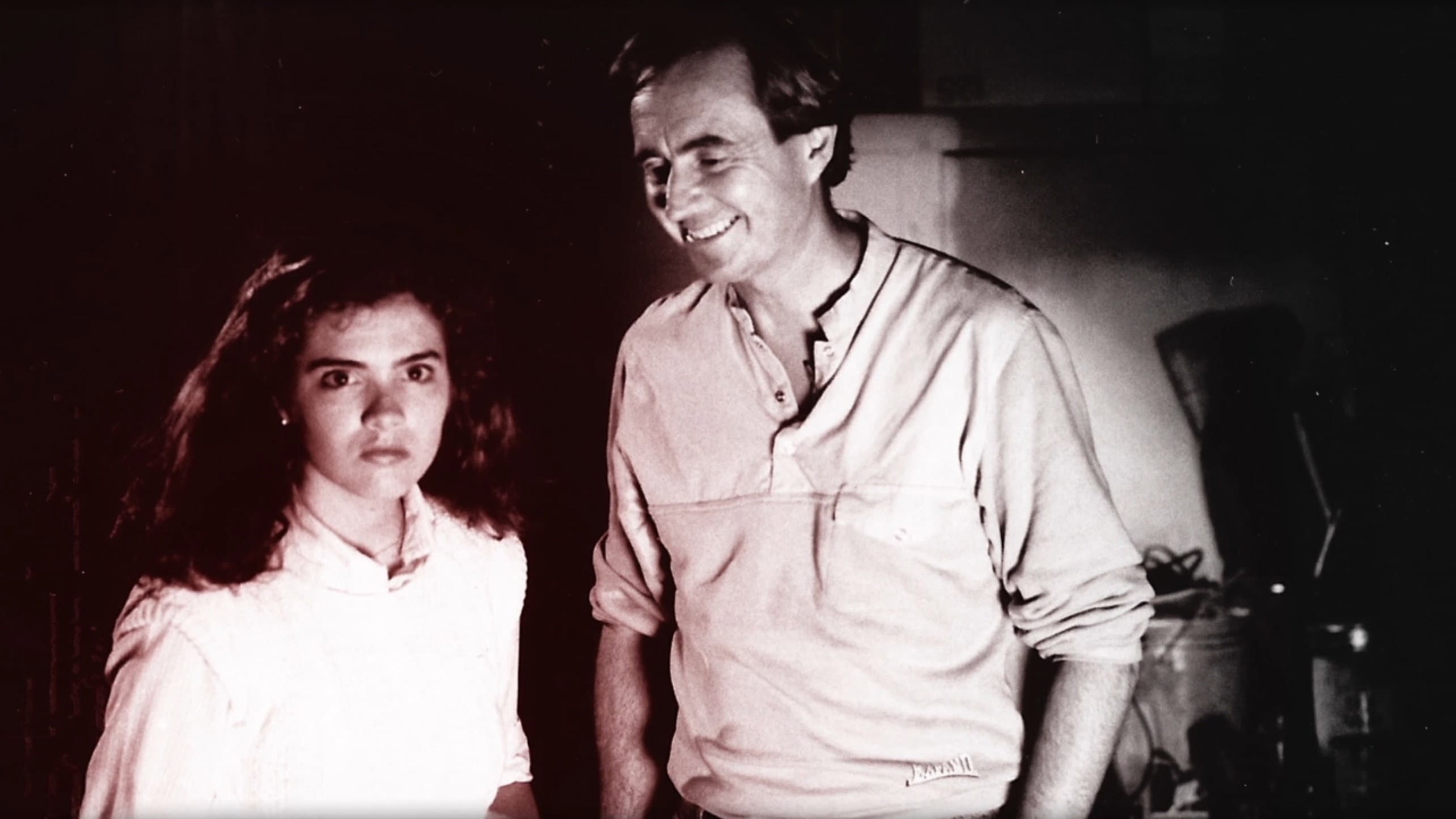
Every so often, a documentary comes along that reminds us that data points are not the whole story. That numbers, for all their cold certainty, are merely the shadow cast by real, breathing, complicated human beings. Facing the Numbers, which debuts today, August 19, 2026, is precisely that kind of film. It’s a vibrant, 70-minute tapestry that resists easy categorization, weaving together various forms of Indigenous storytelling to look directly at the statistics that so often define - and diminish - communities. This isn’t a lecture; it’s a reckoning, and a deeply personal one.
Release Date & Where to Watch
The film arrives in select theaters today, August 19, 2026, with a rollout that feels as thoughtful as the project itself. While a wide streaming release has yet to be formally announced, the initial theatrical run is being positioned as a communal experience - one best shared in a darkened room with other people, the better to sit with the film’s emotional weight. For those outside major metropolitan areas, a digital and on-demand premiere is expected in the coming weeks, though distributors have been characteristically cagey about the exact date. Given the film’s intimate scale and artistic ambition, it’s likely to find a longer life on platforms that champion independent and documentary work, so check your local art-house listings or keep an eye on the film’s official social channels for updates. This is a movie that rewards attention, so it’s worth the minor effort to track down.
Cast & Crew
At the helm is director Tyson Perkins, a name that may not be a household one yet, but who has been quietly building a reputation for sensitive, unflinching portraiture. His approach here is less about traditional talking-head interviews and more about creating a sensory environment, one that allows his subjects to exist in full dimension. Perkins doesn’t just point a camera; he listens. The “cast” is not a cast in the conventional sense - there are no actors, no scripted performances. Instead, the film’s stars are the individuals who have consented to share their lives, their families, and their histories. They are elders, activists, youth, and artists, each representing a facet of experience that is too often flattened into a spreadsheet. Their faces - lined with wisdom, creased by worry, bright with hope - are the film’s true currency. While the cast list is deliberately not publicized, the film’s power derives from the genuine, unmediated presence of these people. The crew, though unseen, is equally vital; the cinematography is intimate, often handheld, pulling you into kitchens, living rooms, and outdoor spaces where the land itself becomes a background character.
Story & What to Expect
Don’t come to Facing the Numbers expecting a straightforward, bullet-pointed exposé. The film deliberately eschews the standard documentary grammar of charts and voiceover narration. Instead, Perkins employs a unique hybrid of storytelling forms - a blend of oral history, personal anecdote, ceremonial rhythm, and even subtle moments of dramatic reenactment. The through-line is the concept of the “statistic” itself: the alarming rates of health disparities, economic hardship, and cultural erasure that are so often used to sum up Indigenous lives. The film’s core challenge, elegantly posed by Perkins, is how to reclaim those numbers, to put flesh and breath back into them.
Expect a non-linear narrative that drifts between poignant moments of quiet reflection and bursts of communal vitality. A grandmother might recount a life marked by displacement, her words punctuated by the sounds of her grandchild’s laughter. A young activist might speak about systemic barriers, the frustration in their voice contrasted with the vibrant resilience of the art they create. The film doesn’t shy away from the pain - there’s an unflinching honesty about historical trauma and its ongoing legacy - but it refuses to let that pain be the final word. There is humor, joy, and an incredible, stubborn sense of continuity. The editing is fluid, almost poetic, allowing connections to form between stories that might otherwise seem disparate. It’s a film driven by texture and tone, not plot points. You won’t leave with a neat list of solutions; you’ll leave with a feeling - a profound sense of witnessing something true.
Why It's Worth Watching
In an era where documentaries often feel like extended TED Talks or slickly produced advocacy pieces, Facing the Numbers feels like a breath of fresh, pine-scented air. It trusts its audience to be patient, to surrender to a different rhythm of storytelling. The film’s innovation lies in its structure; by mixing forms, Perkins creates a cinematic language that is itself Indigenous - one that honors circularity, repetition, and the importance of the collective over the individual. It’s a bold stylistic choice that pays off, making the experience feel less like watching a movie and more like sitting in a circle, being invited to listen.
The power here is in the specificity. We don’t get a generic “Native American experience.” We get a multiplicity of voices, each distinct, each rooted in a particular place and family history. That specificity is what breaks your heart and, ultimately, what heals it. The film’s 70-minute runtime is a blessing; it’s tight, with no wasted moments, but it never feels rushed. It’s the length of a good, long conversation, and you’ll leave feeling as though you’ve actually had one.
You won’t find box-office projections or celebrity cameos here. What you will find is a work of art that challenges the way you think about data, about history, and about the faces that statistics so often hide. Facing the Numbers is not an easy watch, but it is an essential one. It’s a film that asks you to look, truly look, at the people behind the percentage points - and to see, against all odds, the humanity that remains, vibrant and unbroken. It’s a reminder that the most powerful stories are rarely the ones that can be counted, but those that must be told.