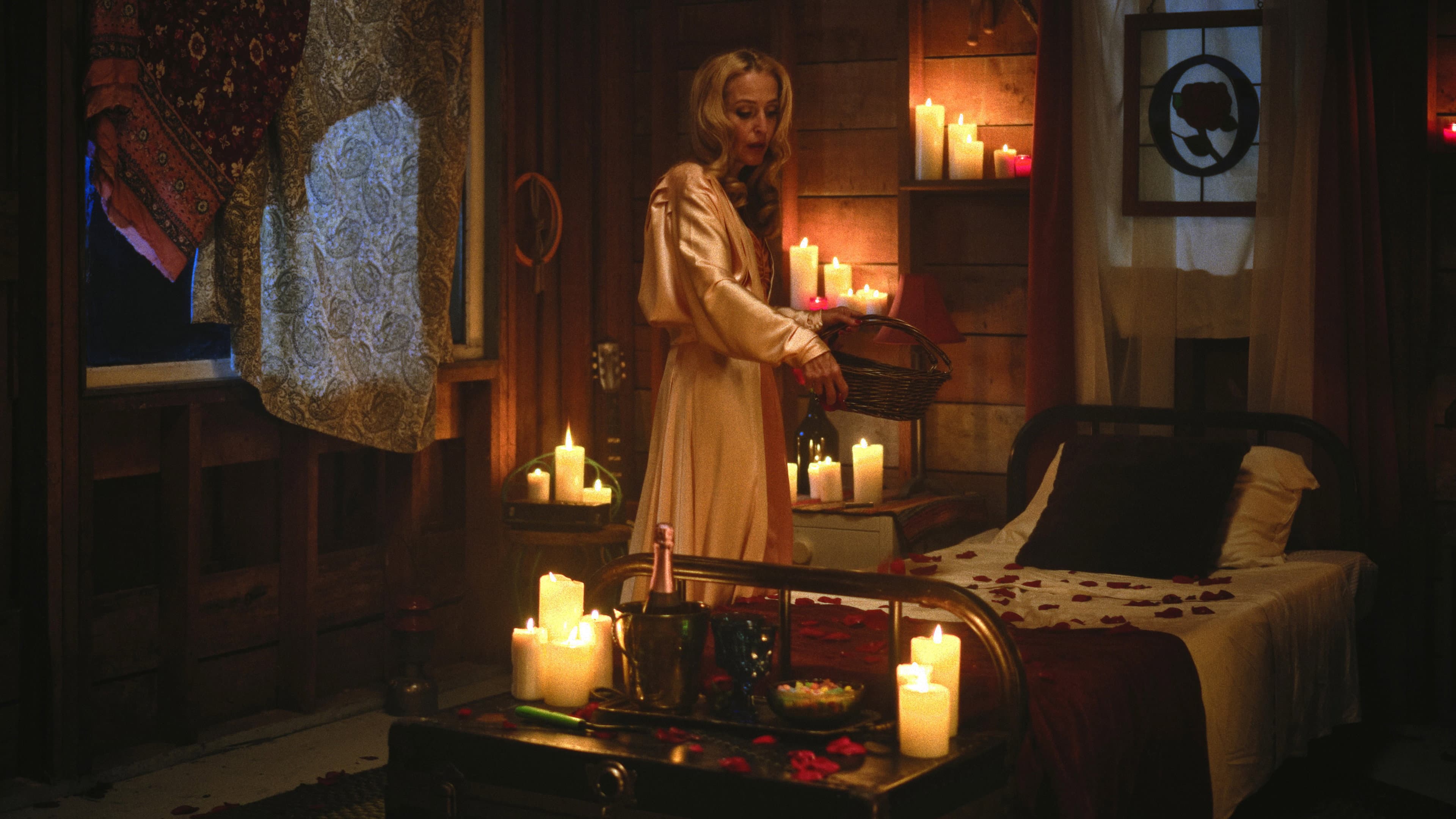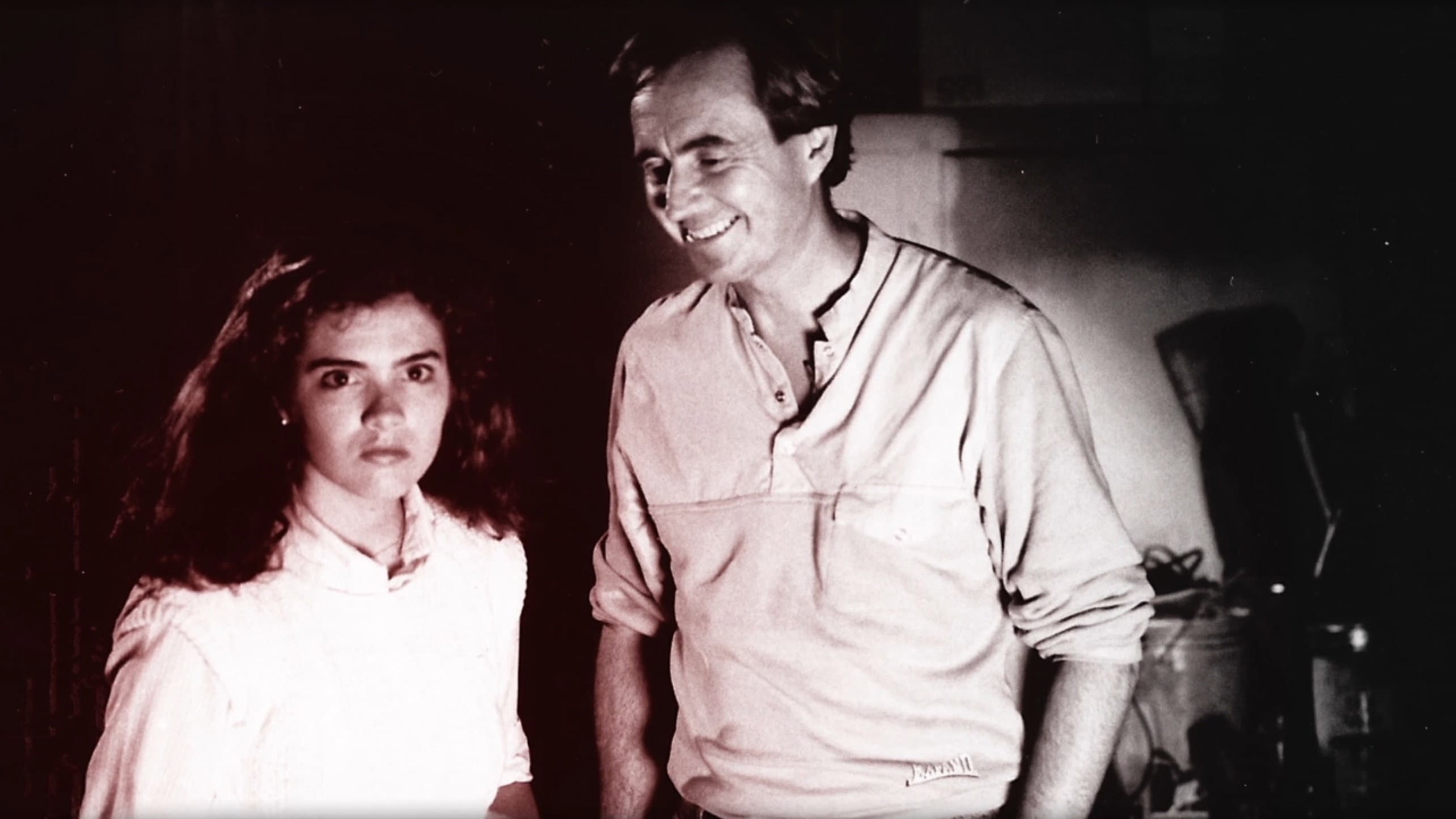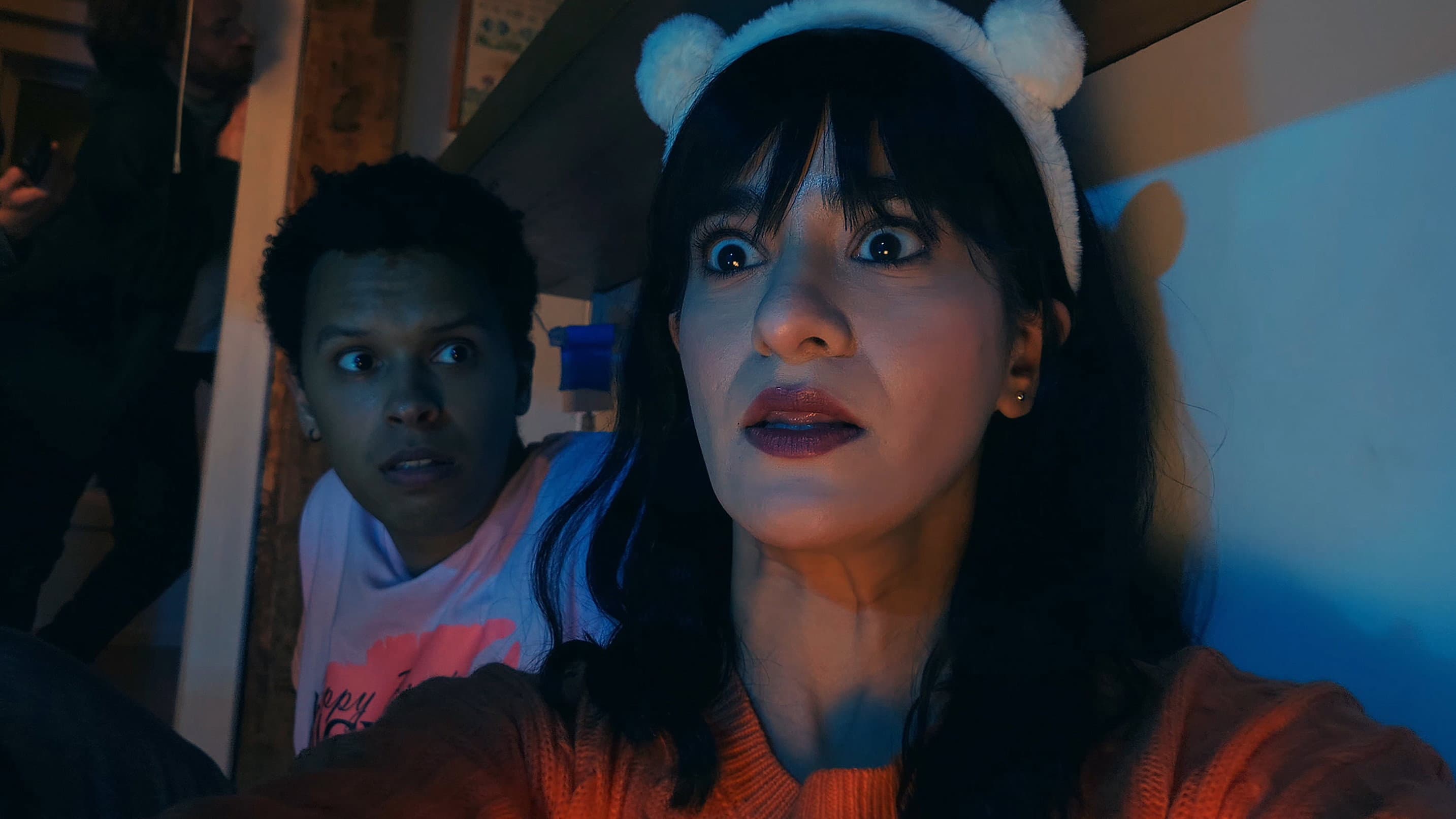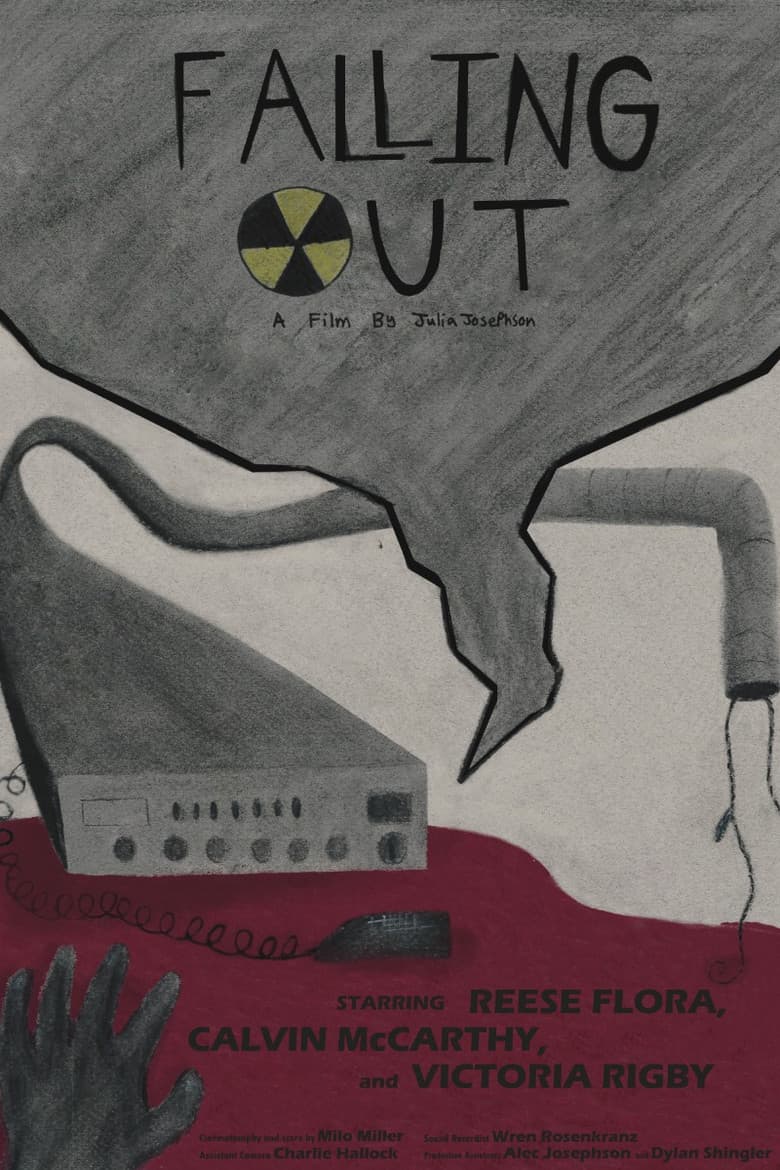
There’s a particular kind of dread that settles in when the world outside goes quiet, and the only sound left is the hum of a malfunctioning radio. That’s the precise, claustrophobic frequency that director Julia Josephson tunes into with her new short film, Falling Out, a stark nine-minute science fiction drama that arrives with the weight of a much larger epic. Released today, August 15, 2026, the film doesn't offer the spectacle of explosions or the heroics of survival; instead, it drills down into the slow, agonizing erosion of a sibling bond when the ceiling is crumbling and the pantry is bare. It’s a lean, mean exercise in tension, and it announces Josephson as a filmmaker with a sharp eye for intimate catastrophe.
Release Date & Where to Watch
Falling Out officially premieres today, Friday, August 15, 2026. As a short film, its theatrical footprint is understandably limited, but it will be making the festival rounds starting this fall, with a digital release expected to follow in the coming months. For those eager to catch it immediately, the film will be available as part of a curated block of sci-fi shorts at select independent cinemas in Los Angeles and New York this weekend, with a streaming debut on a major genre-focused platform slated for early October. Given its brief runtime and festival-circuit pedigree, the best way to see it will be to keep an eye on the film’s official social media channels for screening times and VOD announcements. It’s the kind of piece that benefits from a dark room and your undivided attention - no phones, no distractions, just the creeping unease.
Cast & Crew
At the helm is director Julia Josephson, a name that might be familiar to those who follow the boundary-pushing work coming out of the American independent circuit. She’s assembled a tight, four-person ensemble that carries the film’s emotional weight with remarkable precision. Reese Flora stars as Maxine, the older sibling trying to maintain a fragile grip on order, delivering a performance that oscillates between fierce protectiveness and simmering resentment. Opposite her is Calvin McCarthy as Adam, the younger brother whose patience frays with every passing hour; McCarthy brings a raw, jittery energy that makes his character’s descent feel terrifyingly organic.
The supporting turns are equally crucial. Victoria Rigby appears as Danielle, a figure whose brief presence casts a long shadow over the proceedings, while Alec Josephson, the director’s own collaborator, lends his voice to the on-air persona known only as Dead Benji. That voice - crackling, disembodied, and eerily calm - becomes a third presence in the shelter, a spectral guide whose words slowly poison the air between Maxine and Adam. Josephson’s direction is economical, favoring long takes and tight two-shots that force the audience to feel every inch of the cramped, bombed-out space. It’s a masterclass in less-is-more storytelling, with a sound design that amplifies every creak and static burst into a minor event.
Story & What to Expect
The premise is deceptively simple. A nuclear war has happened. The details are irrelevant; all we know is that Maxine and Adam have survived, huddled inside a shelter that has taken a direct hit. The food is running out. The space is shrinking. And then there’s the radio, a battered device that spits out a mysterious voice - Dead Benji - offering cryptic commentary that seems to know more about the siblings than it should.
What follows is not a survival actioner but a psychological pressure-cooker. The nine-minute runtime is used with ruthless efficiency, each scene chipping away at the characters’ composure. The lack of food isn’t just a logistical problem; it becomes a metaphor for the depletion of their goodwill. Adam starts to question Maxine’s rationing. Maxine starts to hear something in Benji’s transmissions that Adam dismisses as paranoia. The shelter, once a refuge, becomes a tomb with a flickering lamp. Expect lingering shots of cracked concrete, the sound of labored breathing, and a script that trades exposition for loaded silences. The sci-fi element is less about technology and more about the altered reality of the end of days - a world where a voice on the radio can be either a lifeline or a weapon.
Why It's Worth Watching
In an era of bloated blockbusters, Falling Out is a reminder of the power of brevity. It’s a short film that respects your time while leaving a lasting bruise. What makes it worth seeking out is the way Josephson and her actors turn a familiar post-apocalyptic setup into a deeply personal tragedy. The real enemy isn’t radiation or starvation; it’s the slow, creeping suspicion that the person next to you might be your last obstacle, not your last ally. The dynamic between Flora and McCarthy is electric, a volatile mix of love and accusation that feels brutally honest.
The film also poses a haunting question without ever resorting to easy answers: when the world collapses, who do we become? The inclusion of Dead Benji - a name that suggests both mortality and absurdity - adds a layer of darkly poetic ambiguity. Is he a ghost, a government agent, or simply a madman on the same frequency? The film doesn’t say, and that’s precisely the point. The mystery is the disease, and the radio is the vector. For fans of character-driven sci-fi in the vein of Moon or Coherence, Falling Out offers a compact, potent dose of existential dread. It’s a calling card for a promising director and a stark, beautiful little film that lingers long after the final frame fades to black. Don’t blink; you’ll want to catch every second of this one.