The 45-minute runtime is the first thing you notice about It’s Never Been More Over. It’s not a feature, not quite a short, but a deliberate, claustrophobic burst of digital-age anxiety that lands on a specific Tuesday - August 18, 2026 - and refuses to leave your head for days afterward. In a landscape bloated with two-and-a-half-hour epics, director Alex Lukmann has crafted something lean, mean, and weirdly prophetic. It’s a chamber piece for the streaming era, and it hits like a notification you shouldn’t have opened.
Release Date & Where to Watch
It’s Never Been More Over arrives today, August 18, 2026, and it’s not getting a traditional theatrical rollout. Instead, the film debuts exclusively on the boutique streaming platform Cinephile Now, a service known for taking chances on micro-budget genre experiments and talky thrillers. Given the film’s tight, single-location structure, the small screen actually suits it - this is a story built for paused frames, rewatched glances, and the uncomfortable feeling of seeing your own phone screen reflected in the narrative. For international audiences, the film will roll out on the same platform across North America and Europe simultaneously, with a broader VOD release slated for late September. No word yet on a physical media release, but given Lukmann’s cult following, a collector’s edition is almost inevitable. Keep an eye on Cinephile Now’s “New Arrivals” row - this is the rare title that rewards impulsive clicking at 2 a.m.
Cast & Crew
At the helm is Alex Lukmann, a filmmaker who has spent the last half-decade building a reputation for uncomfortable, hyper-verbal micro-dramas. His previous work, the 2023 festival favorite Thread Count, dissected a marriage over the course of a single dinner party. Here, he doubles down on the format, but swaps the wine glasses for phone screens and the passive-aggressive small talk for algorithmic desperation. Lukmann also steps in front of the camera as Jake, the boyfriend caught in the crossfire - a choice that feels less like vanity and more like an act of performative masochism. He’s matched beat-for-beat by Ruby Rodgers as Ava, who delivers a career-best performance as a woman whose entire identity is quantified by strangers’ approval. Rodgers, known for her work in indie horror The Hollow Static and a memorable arc on a prestige crime series, brings a raw, jittery energy to Ava. She’s magnetic, but in the way a car wreck is magnetic - you can’t look away, and you know something’s about to break. William Miller rounds out the trio as the enigmatic top subscriber, a casting choice that’s kept under wraps until the film’s final act, and for good reason. Miller’s screen presence is minimal but unnerving; he doesn’t have to raise his voice to make the room feel smaller.
Story & What to Expect
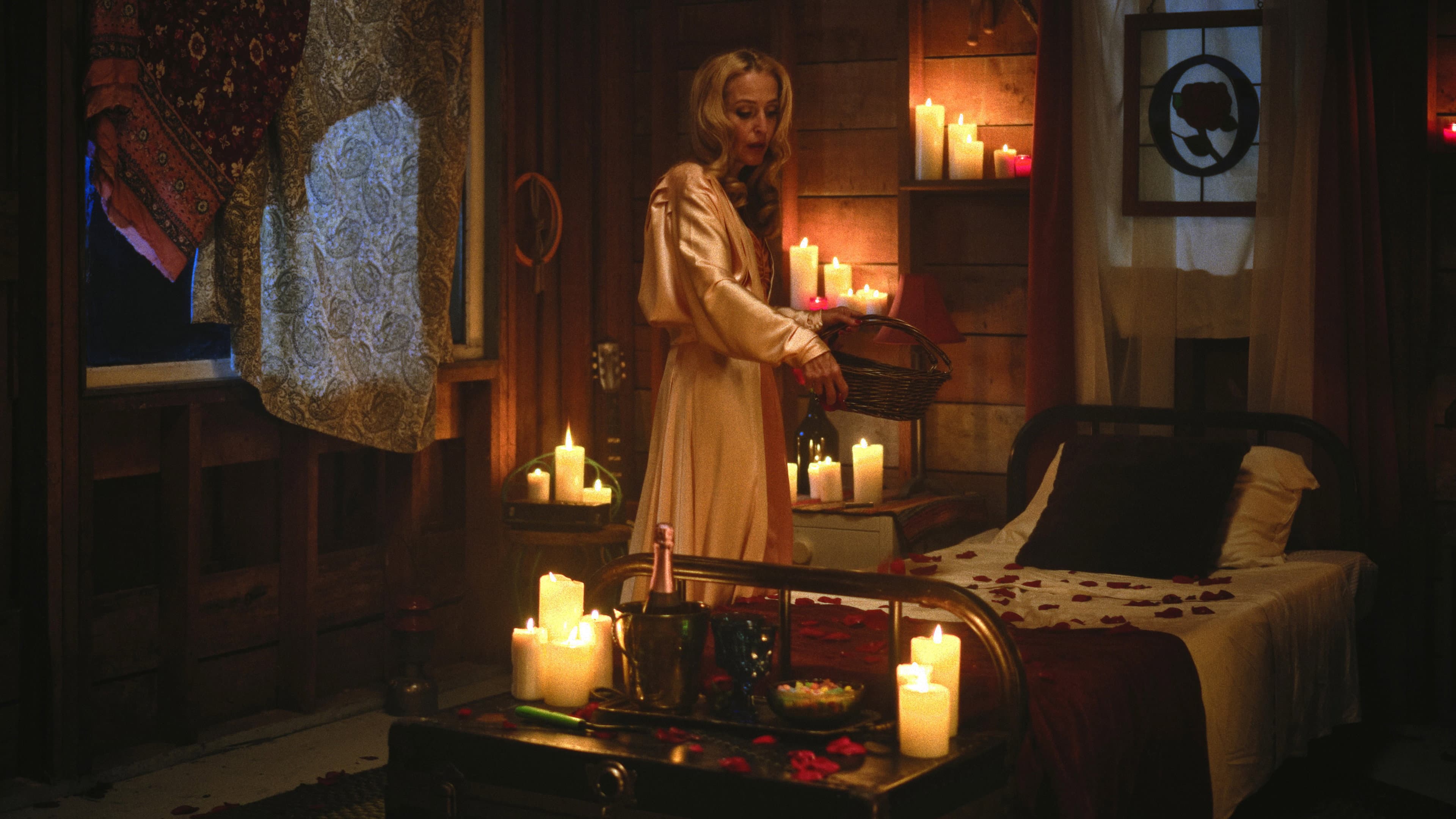
The premise is deceptively simple. Ava is a "content creator" - the quotes do a lot of heavy lifting - and her entire world revolves around a subscriber count that has plateaued. Her boyfriend, Jake, has just invited over her top subscriber, a superfan who has spent thousands and never missed a livestream. What starts as an awkward meet-cute for the algorithm quickly curdles into a psychological standoff. The subscriber isn’t there for a selfie. He’s there to cash in on his emotional investment.
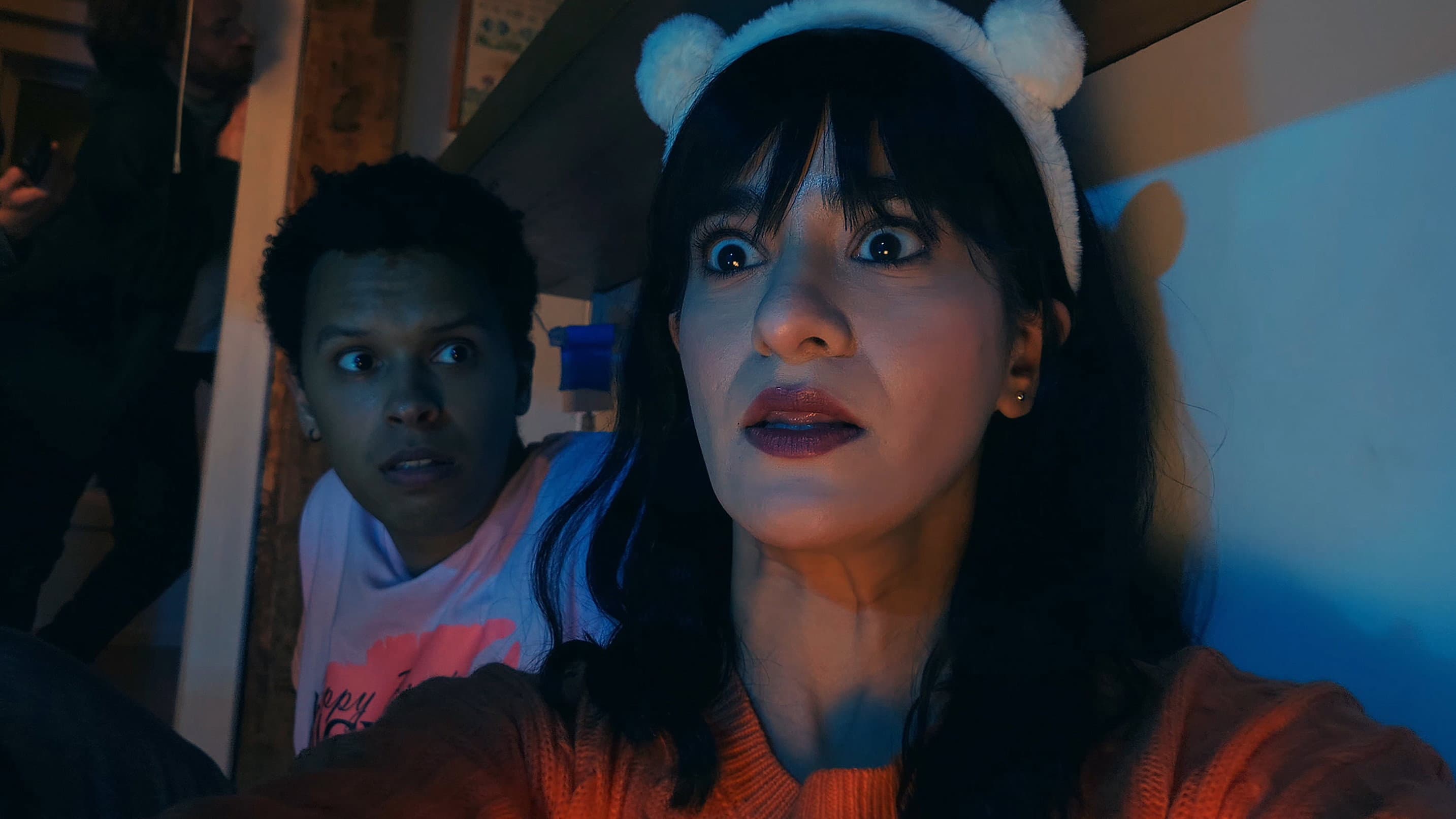
What follows is a tense, one-act pressure cooker that unfolds mostly in real time. Lukmann’s script is razor-sharp on the transactional nature of parasocial relationships, but it never lectures. The dialogue is stuffed with the hollow jargon of the creator economy - “engagement,” “community,” “authenticity” - and every phrase feels like a knife twisting. Ava oscillates between performative gratitude and genuine terror, while Jake tries to play host, mediator, and eventually, witness. The camera work is deliberately handheld, almost documentary-like, but Lukmann inserts unsettling digital overlays - like notification pop-ups and live-chat emojis - directly onto the frame. It’s a stylistic gamble that pays off, making you feel like you’re watching the whole disaster unfold through a screen within a screen.
Expect no explosions, no car chases. This is a movie built on escalating discomfort, on the horror of someone knowing your exact viewing habits, your comment history, your passive-aggressive likes. The 45-minute run time is a blessing in disguise; it cuts before the tension becomes exhausting, delivering a final shot that’s both abrupt and quietly devastating. You’ll want to hit rewind the second the credits roll.
Why It's Worth Watching
Because it’s 2026, and we all know someone like Ava. Or we are Ava. It’s Never Been More Over isn’t just a title - it’s a thesis statement on the death of genuine connection in a world of curated performance. Lukmann understands that the most frightening thing isn’t a masked killer; it’s a devoted fan who knows your brand voice better than you do. Rodgers delivers a monologue in the film’s third act - a desperate attempt to re-assert control over her own narrative - that is so raw, so unvarnished, it feels like a confession rather than a performance. There’s no invented box-office triumph to report, no awards buzz to hype. Instead, what we have is a small, ugly, brilliant film about the price of being seen. It’s the kind of movie that doesn’t just entertain; it makes you check your own notifications with a new sense of dread. For anyone tired of sanitized, focus-grouped blockbusters, this is a shot of pure adrenaline straight to the ego. You won’t forget it. You might even delete an app afterward. That’s not a spoiler - that’s a warning.