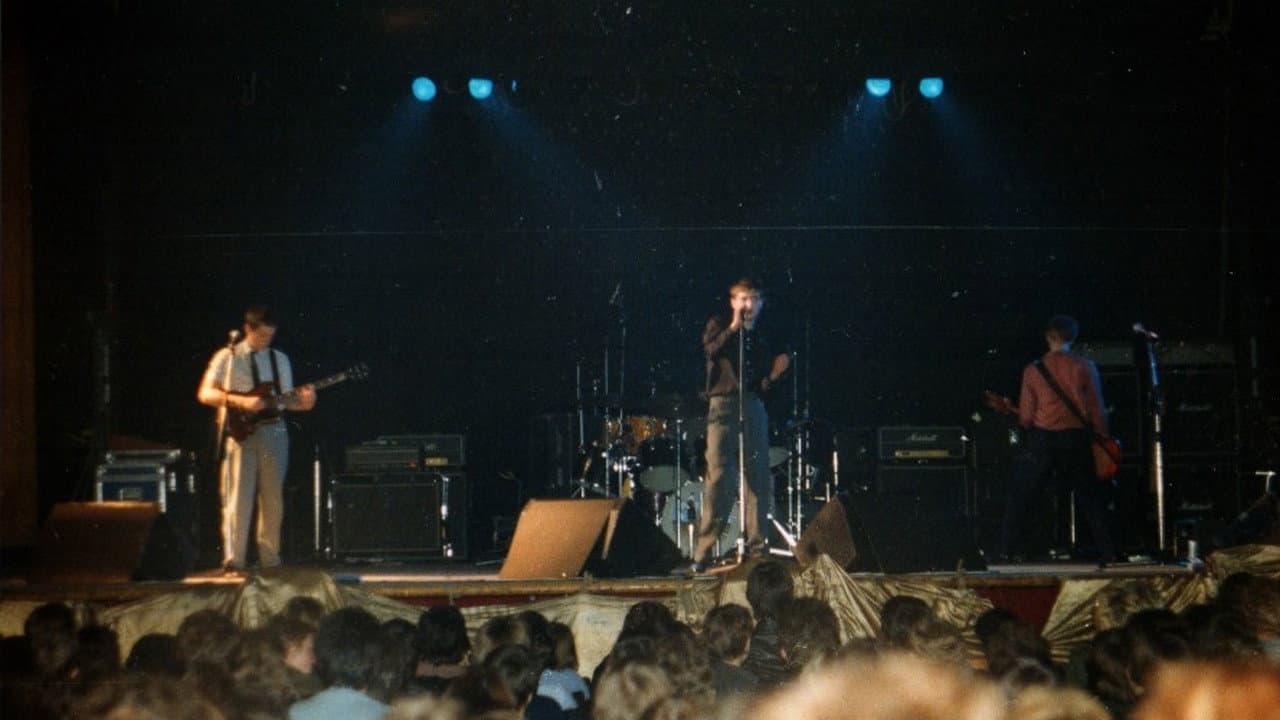
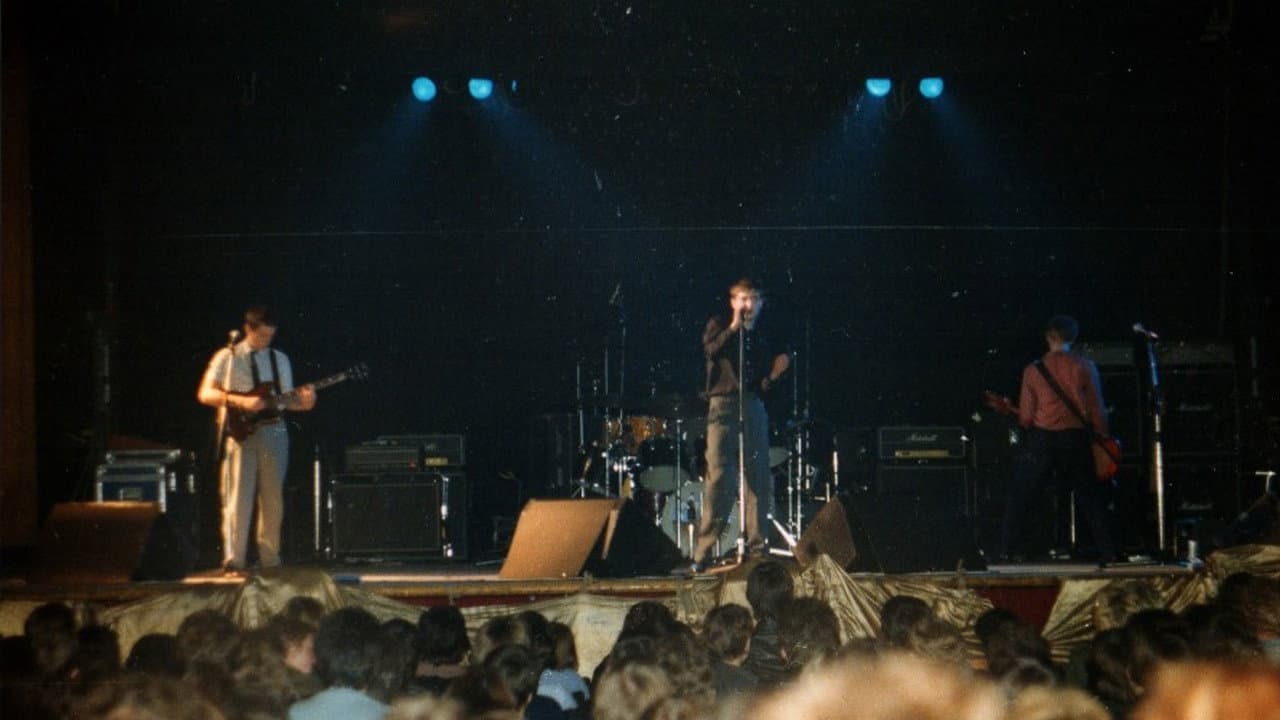
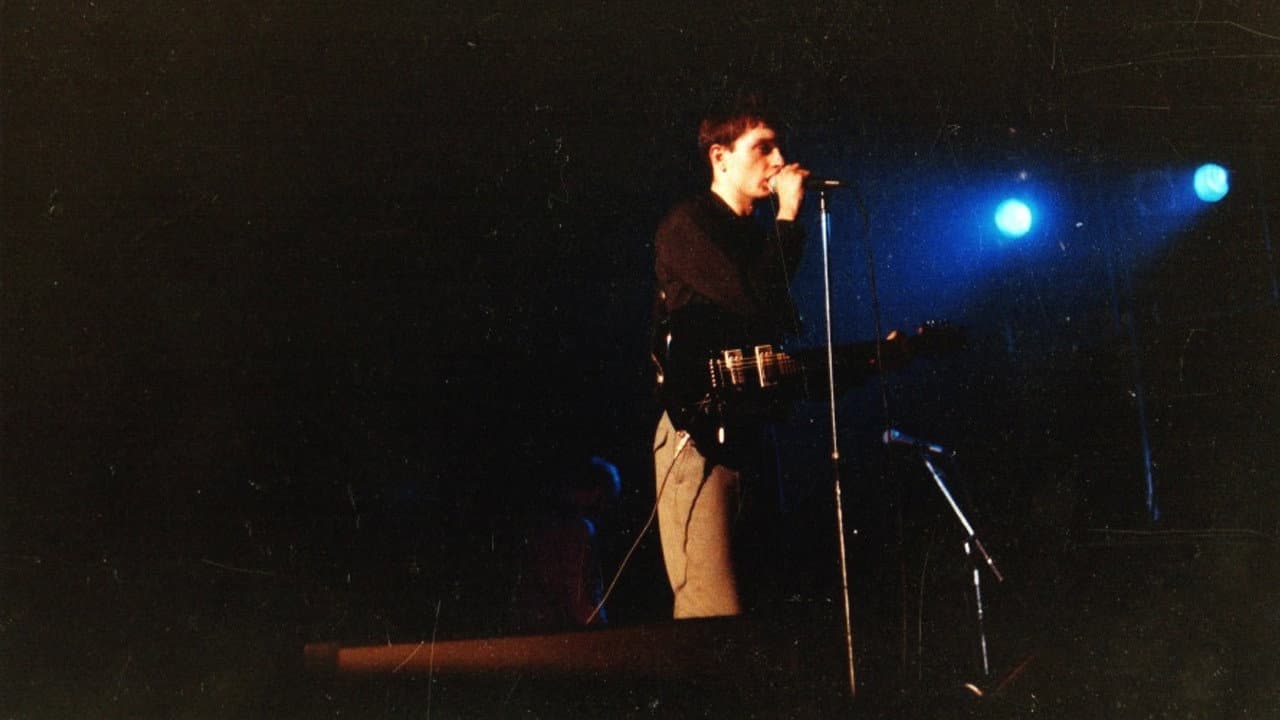
The year is 1979, and Manchester is a grey, post-industrial landscape of rain-slicked streets and simmering discontent. Out of this gloom, four young men are forging a sound that will haunt the decades to come - a stark, austere blend of bass-driven propulsion, icy guitars, and the haunted baritone of a man possessed. For decades, fans have only been able to glimpse this pivotal moment through murky, fourth-generation bootlegs, squinting at shadowy figures on small screens. That all changes on August 25, 2026, when the legendary, fully restored performances from the Apollo Theater in Manchester, recorded on October 27th and 28th, 1979, will finally receive the definitive big-screen treatment they deserve.
Release Date & Where to Watch
Mark your calendars for a very specific date: Tuesday, August 25, 2026. This is not a streaming drop or a quiet home-video release. The film, titled Joy Division: Apollo Theater, Manchester 27 and 28th October 1979, is being positioned as a cinematic event. While the official runtime remains listed as “unknown” - a tantalizing quirk of a project that promises the full, uncut performances from both nights - the release strategy is clearly designed for the theatrical circuit. Expect this to play in repertory houses, independent cinemas, and major-city arthouses, likely with a simultaneous limited IMAX engagement to capture the full sonic and visual weight of the material. A premium digital release and physical media package will inevitably follow, but the intent is clear: this is meant to be experienced in the dark, with the volume turned up to a level that rattles the seats.
Cast & Crew
The headliner behind the camera is a figure who needs no introduction to fans of the band. Anton Corbijn, the legendary Dutch photographer and filmmaker, directs. Corbijn’s relationship with Joy Division is foundational; his stark, monochromatic portraits defined their visual identity, capturing the band's melancholic gravitas in iconic images that remain inseparable from their music. His directorial work, including the revered 2007 biopic Control, demonstrated an intimate, almost spiritual understanding of Ian Curtis’s world. For this project, Corbijn isn't just repackaging archive footage; he is bringing his signature eye to the editing suite, ensuring that the visual grammar of the film matches the stark poetry of the music. It’s a collaboration that has been decades in the making.
On the stage, the cast is, of course, the definitive lineup. Ian Curtis fronts the band, his seismic, herky-jerky dance and his cavernous, emotionally devastating vocals commanding the frame. He is flanked by the rhythmic engine of Peter Hook, whose melodic, high-register bass lines define the band’s signature sound, and Stephen Morris, whose precise, almost machine-like drumming provided the cold, unyielding pulse. Completing the picture is Bernard Sumner, whose sparse, effects-laden guitar work created the vast, empty spaces that gave the music its sense of dread and transcendence. This is the quartet at the peak of their live power, captured in a moment of profound metamorphosis.
Story & What to Expect
There is no narrative arc in the traditional sense here; there is no backstage drama or talking-head interviews. The story is the music. The overview, which states the footage was “previous released in low quality,” tells you everything you need to know about the film’s core mission: restoration. This is the raw, unfiltered energy of two full nights, one occurring just a few months after the release of their debut album Unknown Pleasures. The set list is a bridge between the jagged, punk-inflected post-punk of that record and the more expansive, synth-tinged territory the band was already exploring. Expect to hear early versions of tracks that would later define Closer, songs teetering on the edge of existence, performed with a frantic, desperate energy.
What you will see is a band in transition, right on the precipice of global recognition and personal catastrophe. The performances are reportedly visceral, with Curtis visibly losing himself in the music. The famous “dance” - that spastic, marionette-like convulsion that seems to channel pure electricity - is on full display, a physical manifestation of the internal turmoil that would tragically end his life less than six months later. Because both nights are included uncut, audiences get a rare, almost voyeuristic glimpse into the band's evolving dynamics. The October 27th show might be the aggressive, lean performance; the 28th could be more expansive, longer, more introspective. The juxtaposition is a fascinating study in a band trying to find its footing in a rapidly shifting landscape.
Corbijn’s treatment will not be a simple splice-and-archive job. Having spent a career obsessed with light, shadow, and texture, he is expected to treat the original 16mm film with a painterly reverence. The documentary genre here is stripped to its rawest form: pure documentation. Expect a heavy emphasis on performance, with long, unbroken takes that let the tension build and release. The sound, freshly mixed with modern technology from the original master tapes, will be immersive, pulling you into the heart of the Apollo’s cavernous acoustics. It’s a chance to hear Hook’s bass as a physical force, and Morris’s drums as a spectral heartbeat.
Why It’s Worth Watching
For the uninitiated, this film is the perfect entry point into the legend. It distills the Joy Division mythos into its purest, most essential form. You don’t need a history lesson; you just need to watch Ian Curtis. His magnetic, tragic presence is a riveting, uncomfortable spectacle. It’s a reminder that great art is often born from profound unease, from a place of genuine human fragility. For the devoted fan, this is nothing short of a holy relic. We have all lived with the grainy, distorted bootlegs, listening through a wall of generational hiss. To finally see these performances in crisp, restored clarity, to hear the full sonic spectrum, is to rediscover a band we thought we knew. It is a restoration of history, a chance to stand in that Manchester theater and witness a moment that felt dangerous, exciting, and utterly fleeting.
Above all, Joy Division: Apollo Theater, Manchester 27 and 28th October 1979 is a moving tribute to a man who left us too soon and a band that changed the course of music. It is a cinematic time capsule, a serious, artful piece of filmmaking that respects its subject matter. Whether you are a longtime devotee or a curious newcomer, the opportunity to witness this cultural cornerstone on the big screen, with Corbijn’s guiding hand, is not to be missed. It’s a rare collision of music history and directorial vision that promises to be as powerful, bleak, and transcendent as the music itself.