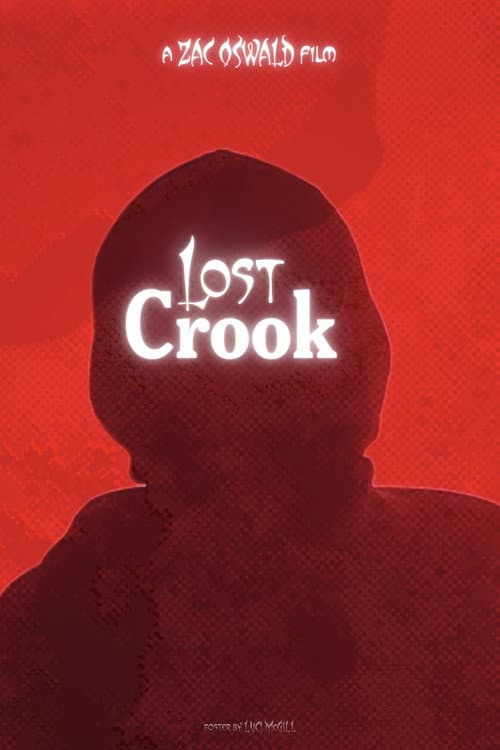
August 23, 2026 - In an industry increasingly defined by bloated budgets and three-hour runtimes, there’s something almost revolutionary about a film that clocks in at exactly one minute. That’s the bold proposition from writer-director-actor Zac Oswald, whose new drama Lost Crook arrives today with the kind of compact, high-concept storytelling that demands attention - precisely because it refuses to hold it for long.
This is not a gimmick. It’s a dare. And in a cinematic landscape where patience is a luxury, Oswald has crafted a micro-feature that feels less like a trailer and more like a complete, unsettling thought experiment compressed into a single, breathless beat. For those who crave narrative density over narrative sprawl, Lost Crook is a shot of espresso in a world of lukewarm drip coffee.
Release Date & Where to Watch
Lost Crook officially premieres today, August 23, 2026, with a release strategy as unconventional as its runtime. Rather than a traditional theatrical rollout, the film is being distributed as a digital exclusive, available for streaming on all major VOD platforms - including Prime Video, Apple TV, and Vimeo on Demand - from 12:01 AM ET onward. Given its single-minute duration, don’t expect a standard rental window; this is designed for immediate, repeat consumption.
For festival purists, Oswald has also confirmed a limited virtual screening series via the independent platform Filmocracy, where viewers can participate in a live Q&A immediately following the film’s end - which, practically speaking, means a Q&A that lasts considerably longer than the movie itself. It’s a smart, self-aware move that leans into the absurdity of the format while respecting the audience’s time. You can also catch it on the filmmaker’s official YouTube channel later this week, where it will be free to view, a decision that treats Lost Crook less as a product and more as a calling card.
Cast & Crew
At the center of this experiment is Zac Oswald, who wears three hats: director, writer, and lead actor. He plays The Thief, a character whose nickname, “the Pilfer,” signals a man defined by habit rather than morality. Oswald’s performance is reportedly high-wire and physical, relying on micro-expressions and body language to carry a story that cannot afford even a moment of slack. Given the runtime, there are no wasted frames - and no wasted gestures.
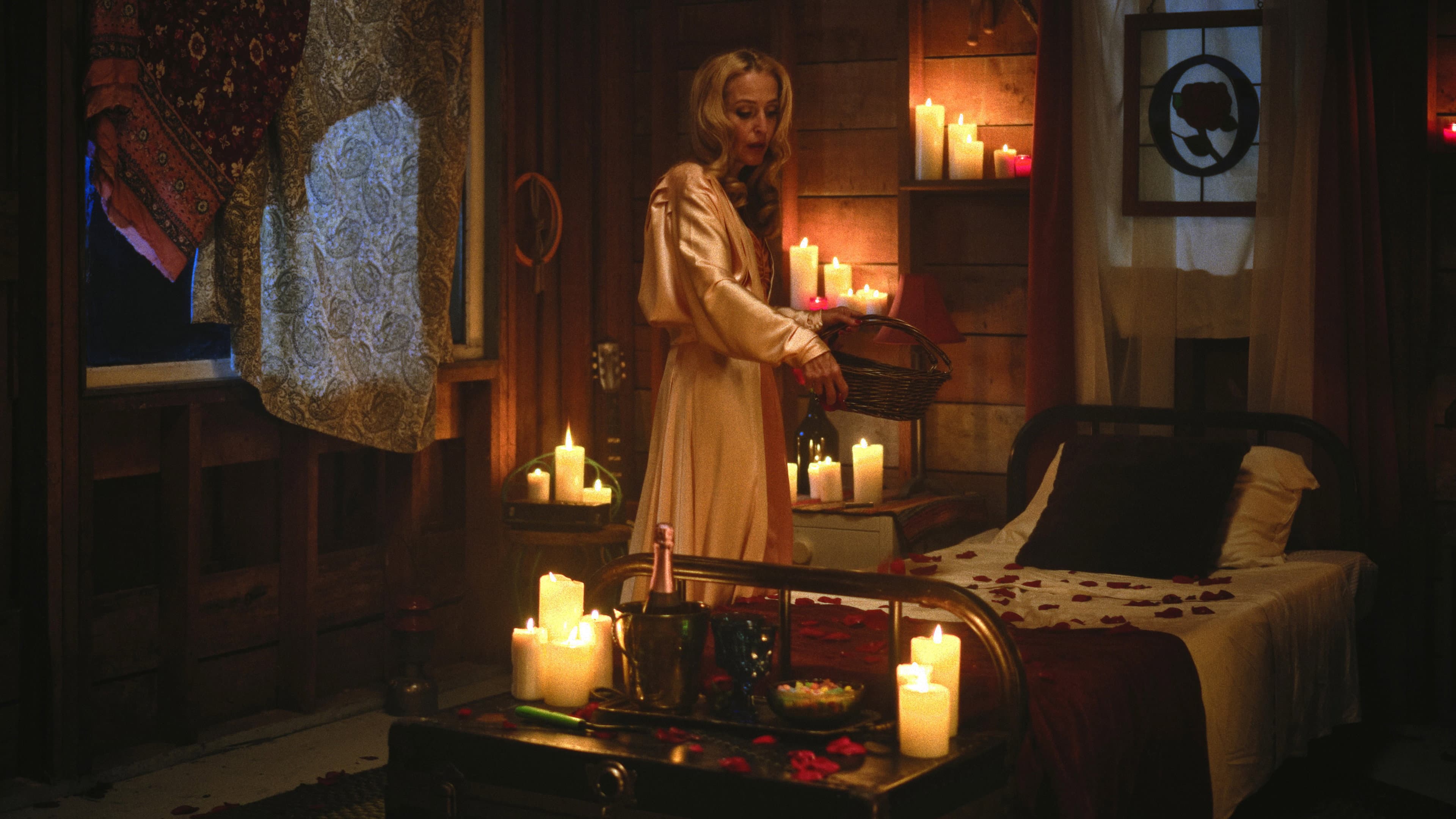
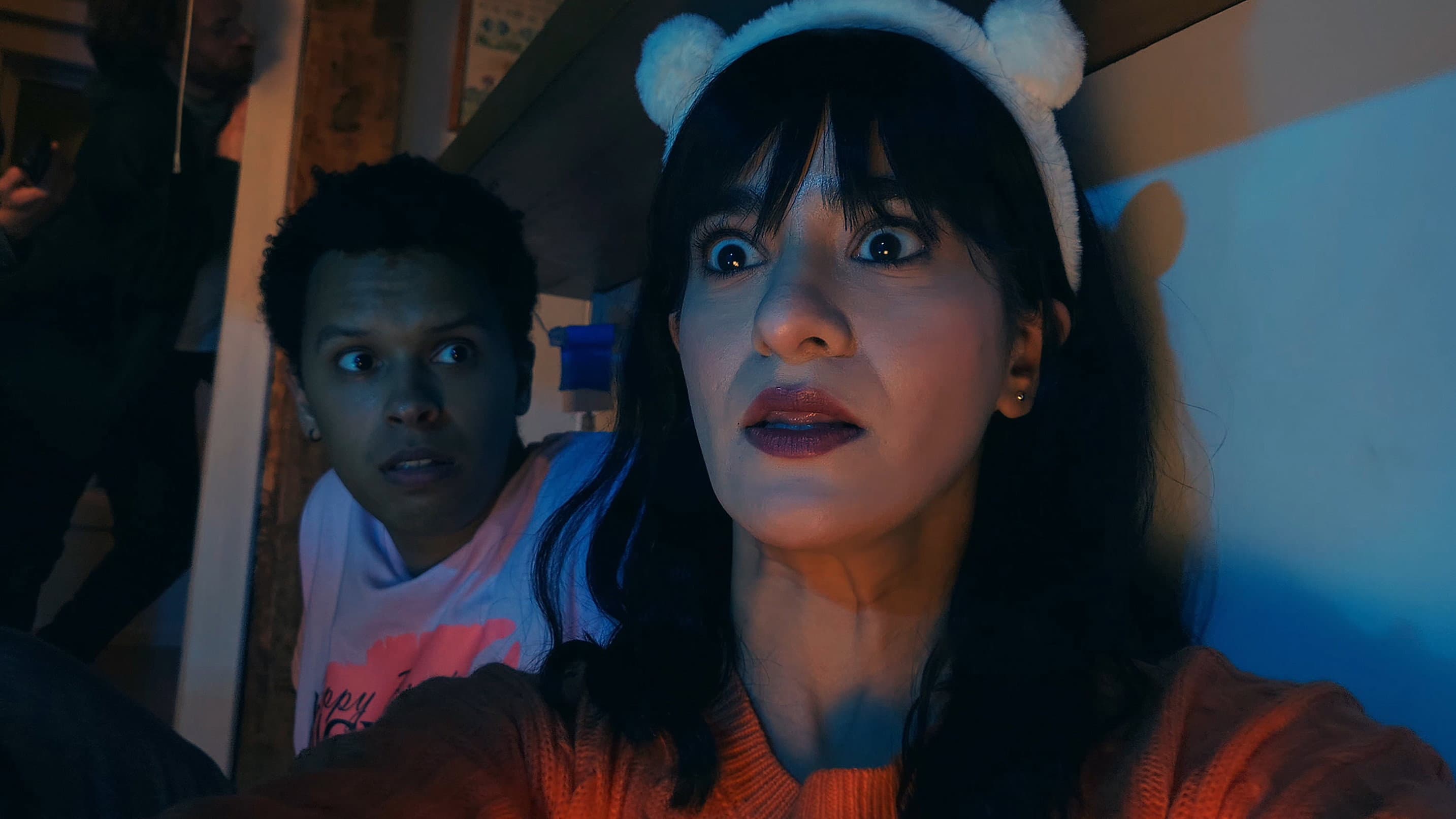
Opposite him is Sabrina McGill as The Lady, the unnamed woman who becomes the film’s central disruption. McGill brings an ethereal, grounded presence, tasked with shifting from victim to catalyst within seconds. Her chemistry with Oswald is the film’s engine, and early reactions suggest she matches his intensity beat for beat. The cast also includes Luci McGill in a supporting role, adding an extra layer of domestic or spectral texture - details are deliberately sparse, but her inclusion hints at a backstory that the film’s compressed timeline refuses to unpack, leaving audiences to fill the gaps.
Behind the camera, Oswald handles cinematography and editing duties himself, a testament to the DIY ethos that defines the project. Shot guerrilla-style in a single location over one weekend, the film was crafted on a micro-budget, with Oswald’s friends doubling as crew. The result is a raw, textured aesthetic that prioritizes immediacy over polish - think early Soderbergh meets the urgency of a TikTok-era short.
Story & What to Expect
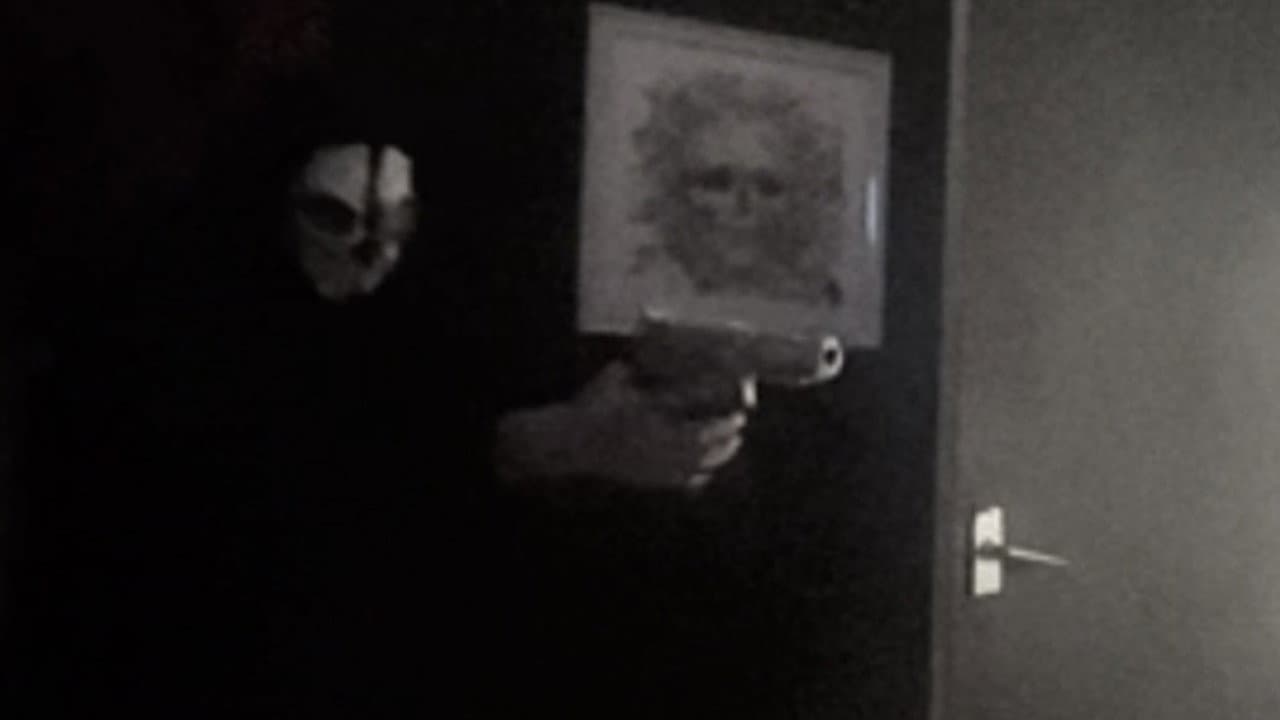
The logline is deceptively simple: A man nicknamed the Pilfer enters a different dimension where he finds a woman who he kidnaps. But within those 60 seconds, Lost Crook gestures toward something far more layered. The Pilfer, a career petty criminal, stumbles through a dimensional rift - perhaps accidentally, perhaps through a desperate act of escape - and lands in a world that mirrors his own but feels wrong. The air is tinted. The gravity is off. And there, standing in the quiet center of this uncanny space, is The Lady.
The kidnapping is not an act of violence, but of confusion. It reads less like predation and more like a reflex - a man so accustomed to taking that he doesn’t know what else to do when confronted with the unfamiliar. The film’s tension comes from the ambiguity: Is she a prisoner? A guide? A trap? In the final seconds, a single look exchanged between them reframes everything that came before, suggesting that perhaps the Pilfer is not the captor, but the captured.
Viewers should expect a film that eschews dialogue almost entirely, relying on sound design and a haunting ambient score (composed by an uncredited collaborator) to build dread and wonder in equal measure. The visual language is expressionistic, with heavy shadows and a muted color palette that shifts subtly when the dimension changes. Do not blink - literally. The entire narrative arc unfolds in a continuous shot, with no cuts, forcing you into the Pilfer’s disoriented perspective.
Why It’s Worth Watching
In a world where even short films often stretch to fifteen minutes of padding, Lost Crook is a radical act of restraint. It understands that a story doesn’t need to be long to be complete - it just needs a beginning, a middle, and an ending that provokes thought. The film functions as a riddle, a poem, and a dare all at once. You will watch it once, feel confused, watch it again, feel chills, and then likely a third time just to marvel at how much Oswald packs into 60 seconds.
It’s also a masterclass in economical filmmaking. Aspiring directors should study how Oswald establishes character, setting, and conflict without a single line of exposition. The title itself is a pun - a lost crook who is literally lost, and a crook who may be beyond redemption. The TMDb rating of 0/10, which typically signals no user reviews yet, feels like a blank slate: this is a film you get to score first.
Lost Crook is not for everyone. It demands active viewing, not passive scrolling. It refuses to hold your hand, and it ends just as you’re leaning in. But that is precisely its power. In the time it takes to microwave popcorn, Zac Oswald has delivered a complete, unsettling, and strangely moving meditation on identity, displacement, and the choices that define us. See it. Then see it again. It’s the shortest great conversation you’ll have at the movies this year.