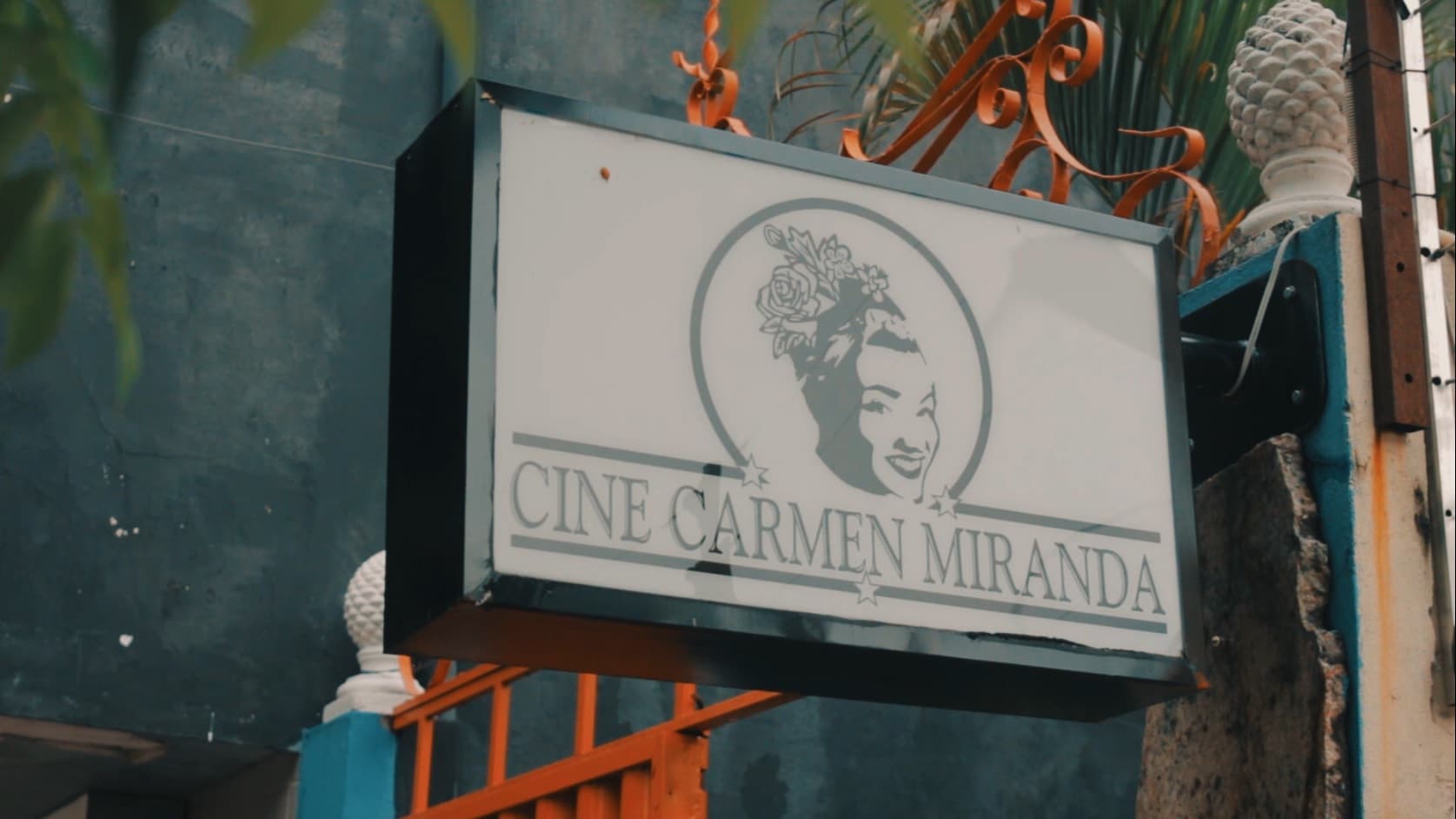
The neon glow of a movie marquee has a way of cutting through the noise of modern life, and in the sweltering heart of Manaus, that glow is fighting for its life. As streaming services and air-conditioned shopping mall multiplexes tighten their grip on Brazil’s viewing habits, two stubborn, beloved institutions are refusing to fade to black. O Cinema e o Centro, a new short-form documentary from director Thallys Neutron, arrives today - August 27, 2026 - to capture the resilient pulse of the Cine Carmen Miranda and the Casarão de Ideias, two of the Amazonian capital’s final surviving street cinemas. It is a love letter, a eulogy, and a battle cry rolled into 32 brisk, emotionally resonant minutes.
Release Date & Where to Watch
The film officially hits select screens and digital platforms today, August 27, 2026. Given its intimate runtime and documentary pedigree, O Cinema e o Centro is not getting a wide, popcorn-bucket-and-IMAX rollout. Instead, it is premiering in the very venues it celebrates - with special screenings scheduled at both the Cine Carmen Miranda and the Casarão de Ideias in Manaus, a poetic gesture that transforms the documentary into a live event. For audiences outside the Amazon region, the film will be available on major streaming platforms, including MUBI and Apple TV, in both Portuguese with English subtitles and a dubbed version. Given the subject matter, expect a robust festival run later this fall, with slots at the São Paulo International Film Festival and the Morelia International Film Festival looking likely, though not yet officially confirmed. Check your local listings for independent art-house theaters, as the filmmakers have emphasized a grassroots, community-first distribution strategy.
Cast & Crew
At the helm is Thallys Neutron, a director whose previous work in Brazilian short-form media has consistently explored themes of urban decay, memory, and cultural preservation. Neutron’s approach here is observational yet tender, favoring long, static shots of empty lobbies and flickering projectors over flashy, kinetic editing. He is aided by a small but dedicated crew of cinematographers who capture the humid, faded grandeur of Manaus’s historic center with a painterly eye.
The film does not feature a traditional acting cast, but it is anchored by three compelling on-screen figures who serve as guides and talking heads: Rejane Brito, a veteran ticket booth attendant at the Cine Carmen Miranda whose weathered smile has greeted generations of filmgoers; Michel Guerrero, the charismatic programmer at the Casarão de Ideias who curates everything from obscure European art films to midnight cult classics; and Joaquim Loureiro, a local film historian whose encyclopedic knowledge provides the documentary’s historical scaffolding. These three are not actors, but they deliver the film’s emotional core with a natural, unpolished authenticity. Their anecdotes - about power outages during screenings, the smell of rain on hot concrete, and the shared gasp of a packed house - feel pulled from memory, not a script.
Story & What to Expect
O Cinema e o Centro opens with a slow, deliberate tracking shot down Manaus’s Rua Guilherme Moreira, the camera lingering on shuttered storefronts and the ornate, crumbling facades of rubber-boom-era architecture. The city’s historic center, once a bustling hub of commerce and culture, now struggles against the centrifugal pull of suburban malls. The film’s thesis is simple: as the city moved outward, the cinemas stayed put, becoming stubborn islands of analog culture in a digital sea.
The documentary interweaves the parallel histories of its two subjects. The Cine Carmen Miranda, named after the iconic Portuguese-born Brazilian singer, is the elder statesman - a single-screen relic with red velvet seats and a 35mm projector that requires constant, loving repair. The film captures the daily rituals of Brito, who has worked there for over two decades, as she sells tickets from a wooden booth and chats with regulars by name. The Casarão de Ideias, meanwhile, is the scrappy younger sibling - a converted warehouse that doubles as a cultural center, hosting film clubs, debates, and live music. Guerrero speaks passionately about the space as “a living room for the city,” where the line between audience and participant blurs.
Neutron does not shy away from the harsh realities. We see the financial ledgers, the rusting air conditioning units, the constant threat of demolition by developers eyeing the prime real estate. The film acknowledges the elephant in the room - the streaming giant that lives on everyone’s phone - but it reframes the conversation. Instead of presenting the cinemas as victims, it positions them as sites of cultural resistance. A montage of cell phone screens illuminating during a screening becomes a moment of commentary: the films are not just being watched; they are being experienced as physical acts of defiance.
The documentary is also a meditation on place. Archival footage of Manaus in its golden age is juxtaposed with present-day shots of the same streets, now dotted with graffiti and stray dogs. Through the lens of these cinemas, we see the story of a city negotiating its identity - a metropolis that grew too fast, forgot its roots, and is now desperately trying to remember what it was. The final act builds to a modest triumph: a community-organized fundraiser that renovates the Casarão’s leaky roof, a small victory against the forces of neglect. The film ends with Brito locking up the Carmen Miranda for the night, the projector sputtering to a halt, and she tells the camera, with a tired but defiant smile, “As long as the light shines, we are still here.”
Why It's Worth Watching
In an era where documentary filmmaking often leans toward the sprawling, true-crime epic or the globe-trotting exposé, O Cinema e o Centro offers a refreshing jolt of intimacy. It is a quiet film about loud, passionate feelings. For cinephiles, it is a must-watch - a raw, unvarnished look at the spaces that keep the art form alive when the blockbuster machine has moved on. It will make you appreciate the sticky floors and torn seats of your own local cinema.
But the film’s appeal extends beyond film nerds. It is a universal story about gentrification, aging, and the human need for shared gathering spaces. The struggles of Manaus are the struggles of any city where the old gives way to the new, and the documentary captures that tension with grace and specificity. Neutron’s direction is patient, allowing moments of silence to breathe, and the three central figures - Brito, Guerrero, and Loureiro - are captivating in their authenticity. They are not performers; they are guardians of a dying flame.
Moreover, the film’s brevity is a strength. At 32 minutes, it packs a surprising emotional wallop, leaving you with a lump in your throat and a sudden, urgent desire to find your nearest independent theater and buy a ticket. The TMDb rating currently sits at zero, but that is simply a function of it being release day; this is a film that will find its audience through word of mouth and festival buzz. It will not break box-office records, but it might just break your heart in the best way possible. O Cinema e o Centro is a reminder that the movies are not just content - they are places, and some places are worth fighting for.