The experimental film scene has always thrived on a certain kind of patience - the willingness to sit inside a feeling, to let an image breathe until it starts to whisper. But every once in a while, a project comes along that demands not just patience, but presence, in the most literal sense. That’s the case with Shadow on a marble tablet, a 77-minute feature that premieres today, August 29, 2026, and which will be accompanied live on tour by the ethereal musician Grouper. It’s a collision of cinema and ambient sound that feels less like a standard release and more like a shared séance.
Release Date & Where to Watch
Shadow on a marble tablet officially arrives in select theaters today, August 29, 2026. But this is not your typical wide rollout. The film’s primary exhibition format is as a live event, with Grouper performing an original score in real time alongside the projection during her fall 2026 tour dates. That means the theatrical experience is the point - there is no word yet on a streaming release or VOD window, and given the project’s deliberately immersive design, a home viewing may take time to materialize. For those unable to catch a live date, check independent and repertory cinema schedules for special one-off screenings. This is a work that wants to be watched in the dark, with other people, in a room that hums with low-frequency sound. If you can get a ticket to one of Grouper’s tour stops, that’s the definitive way to see it. Otherwise, keep an eye on the film’s distribution channels for additional city-specific screenings later in the year.
Cast & Crew
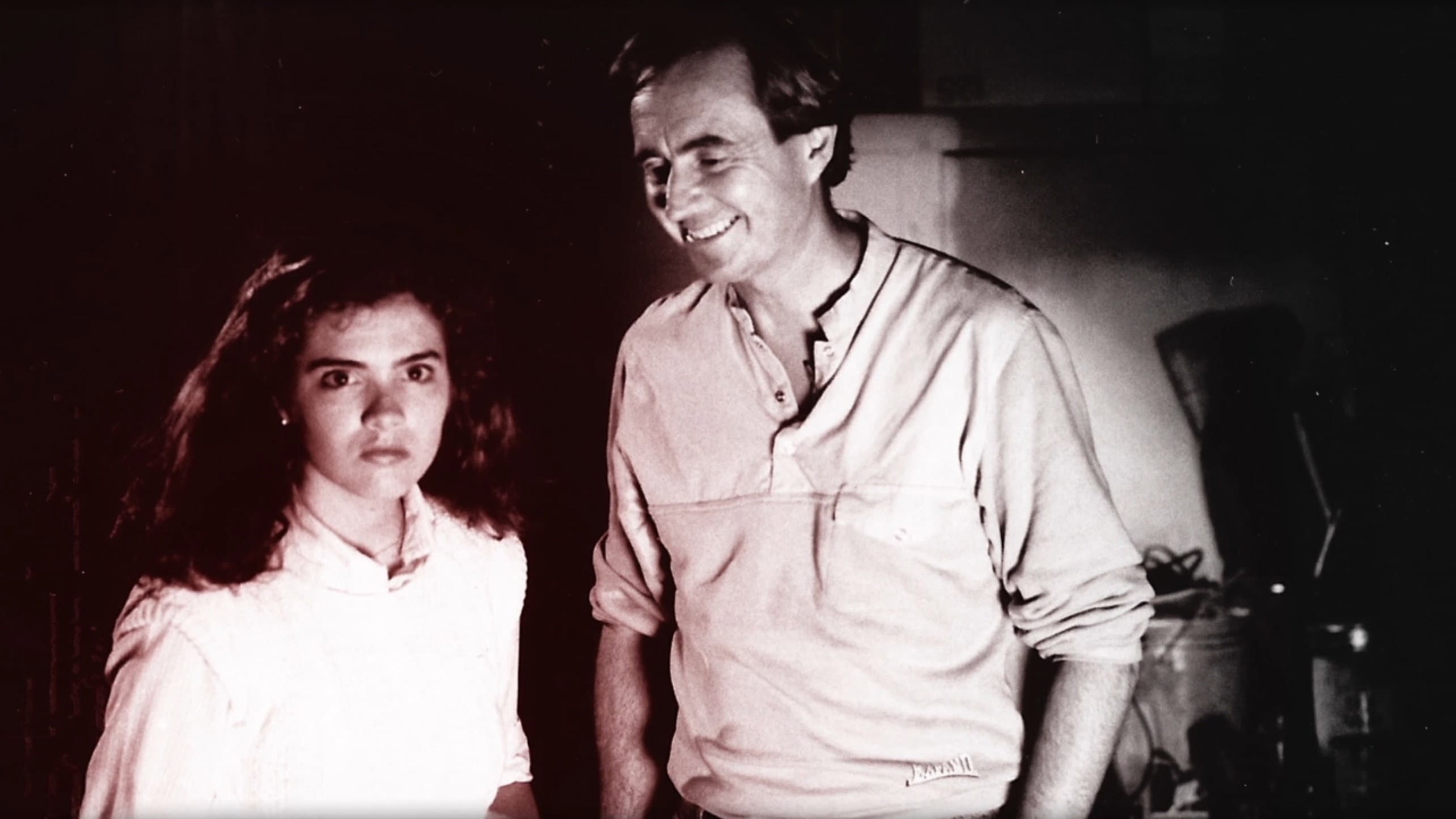
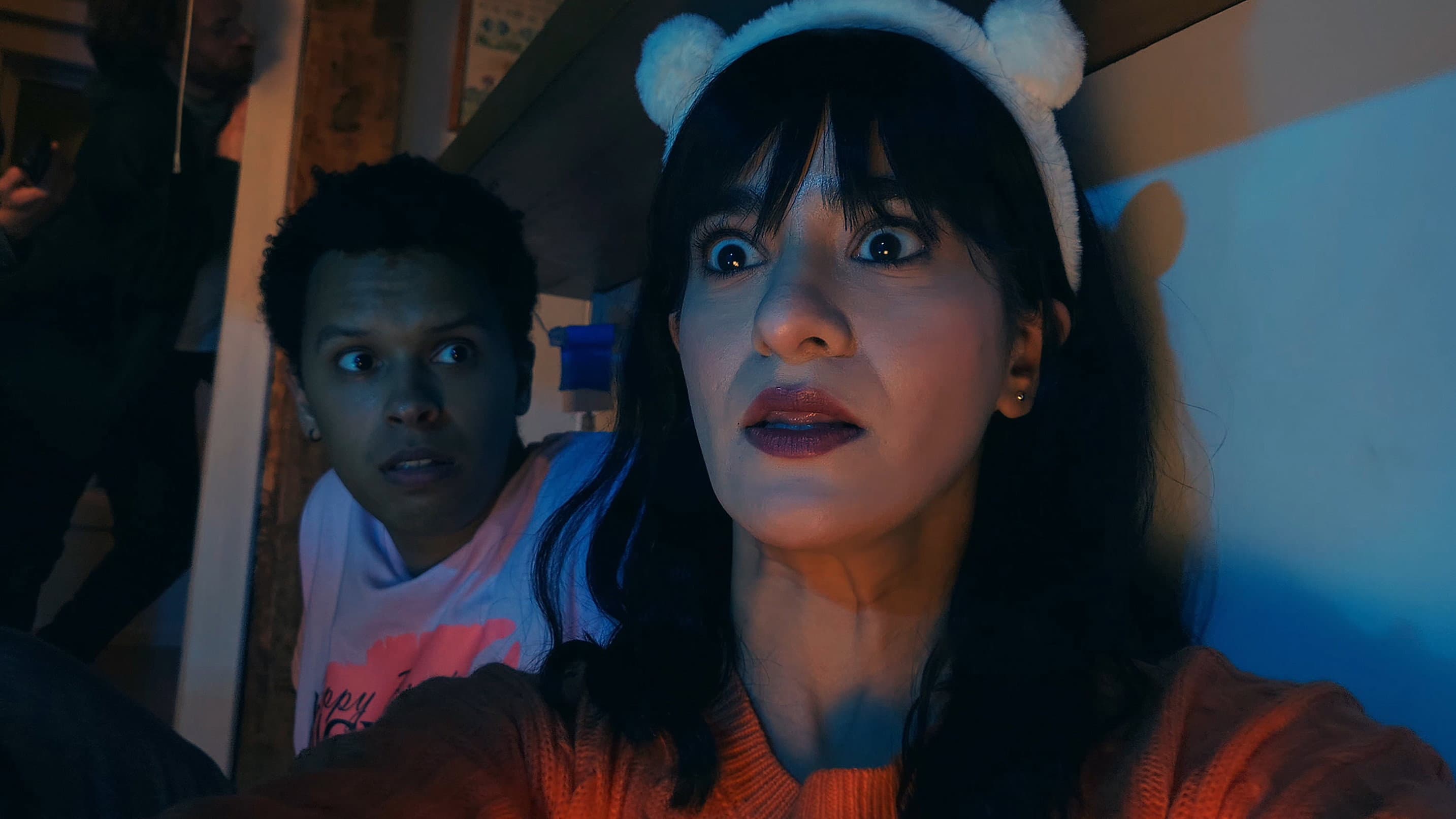
The mind behind this strange, delicate object is director Dicky Bahto, a filmmaker whose previous work has often danced on the edges of narrative coherence, prioritizing mood and texture over conventional story beats. Bahto has assembled a small, focused cast, led by Sílvia das Fadas and Patrick Londen. Both actors are known for their work in immersive and avant-garde theater, which makes sense - Shadow on a marble tablet requires performers who can hold silence and gesture with the precision of a dancer. There’s no word yet on whether either delivers traditional dialogue, but given the film’s experimental nature, it’s likely that much of their performance is physical and temporal, anchored in the kind of presence that doesn’t rely on exposition.
Grouper, the alias of musician Liz Harris, is credited not as a composer in the traditional sense but as a live accompanist. Her role here is integral rather than supplementary. Known for her dreamlike, heavily reverberated piano and voice compositions, Grouper’s music has always felt like a memory you can’t quite place. Her live score for Bahto’s film will presumably shift the viewing experience each night, making every screening a unique event. That’s a bold gambit for a director - surrendering a measure of control to a musician’s improvisational spirit - but it’s exactly the kind of risk that defines this project.
Story & What to Expect
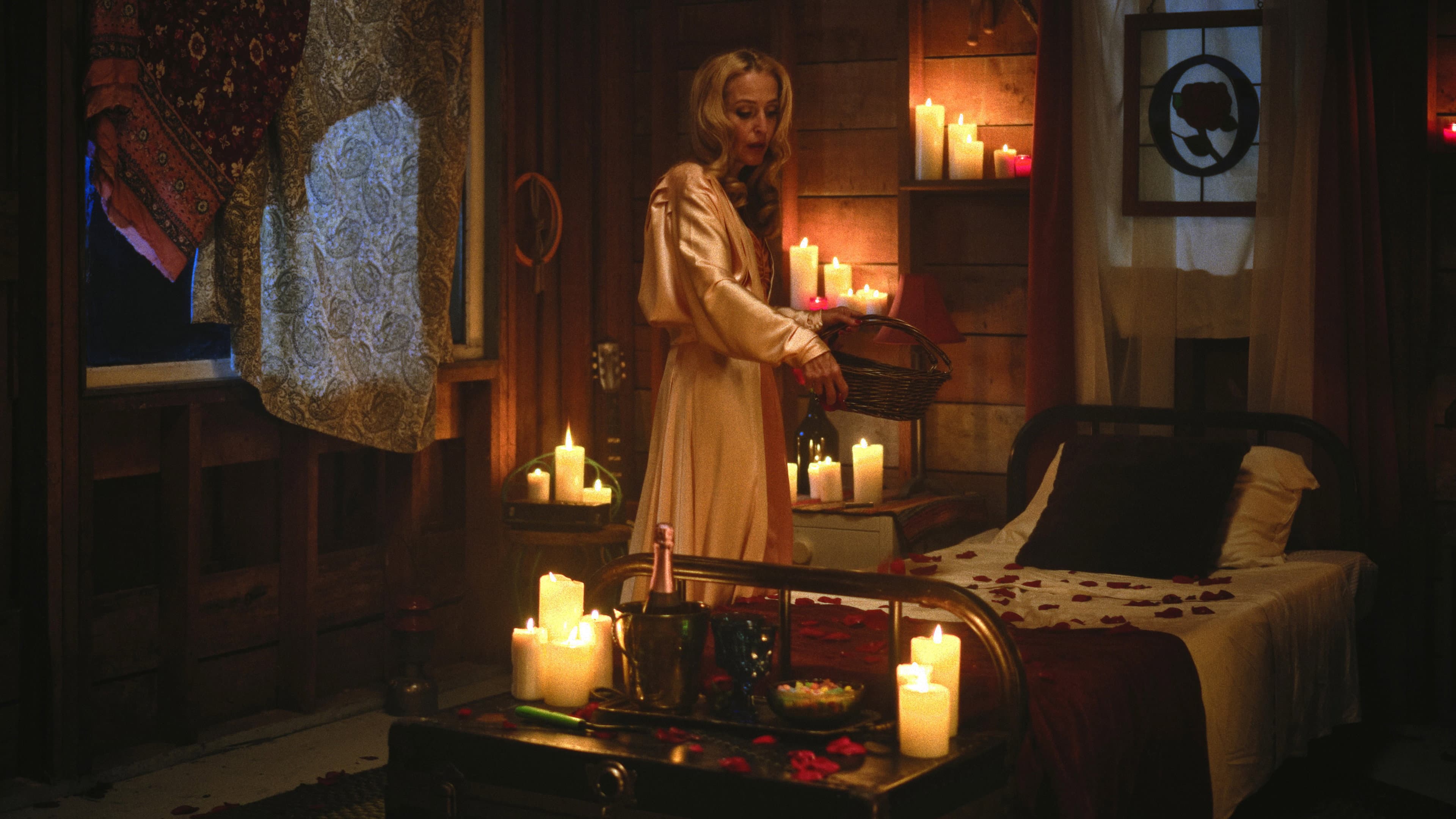
Here’s where things get tricky. The film’s plot, if there is one, is not being described in any conventional terms. The title itself - Shadow on a marble tablet - suggests something carved, permanent, yet fleeting. A marble tablet is heavy and enduring, but a shadow crossing it is ephemeral, a matter of light and time. That tension likely forms the film’s core. Bahto has a history of exploring themes of memory, loss, and the archaeology of personal history, often using static or slowly moving camera work to create a trance-like state.
Expect long takes, sparse dialogue, and imagery that might be symbolic or purely aesthetic. There are only two credited actors, which suggests a chamber piece, perhaps a two-hander set in a confined location. Given the 77-minute runtime, this isn’t a slog - it’s a compact, intense experience, closer to a ritual than a traditional feature. The live Grouper accompaniment will add a layer of unpredictable texture, with her organ-like drones and hushed vocals soaking into the room. The film is in English, though with so little dialogue, the language may feel almost incidental, a secondary element to the visual and sonic architecture.
Why It’s Worth Watching
In an era where so much cinema is designed to be consumed on phones in 10-second increments, Shadow on a marble tablet is a radical counterproposal. It asks you to sit still, to listen, to let a single image linger until its meaning slowly accretes. The combination of Bahto’s visual austerity with Grouper’s live, mutable score is a rare alchemy - you’re not just watching a movie, you’re attending a performance that will never be repeated exactly the same way twice. For fans of slow cinema, ambient music, or anyone interested in the boundaries between film and live art, this is an unmissable event.
But even beyond that, the film’s use of two actors in what appears to be a intensely personal, almost hermetic setting suggests an intimacy that mainstream movies rarely offer. There’s no bombast, no CGI spectacle, just the careful construction of atmosphere. The title’s marble tablet might be a metaphor for the screen itself, and the shadow is the image that passes across it, here one moment and gone the next. That’s the kind of thought you’ll likely walk out with, still ringing in your ears.
The official TMDb rating sits at 0/10, but that’s only because there haven’t been any reviews yet - this is a blank slate, a marble tablet waiting for its first shadow. If you’re adventurous, if you’re willing to surrender to a strange and beautiful experience, get yourself to a live screening. Bring no expectations except the willingness to feel. That’s the point.