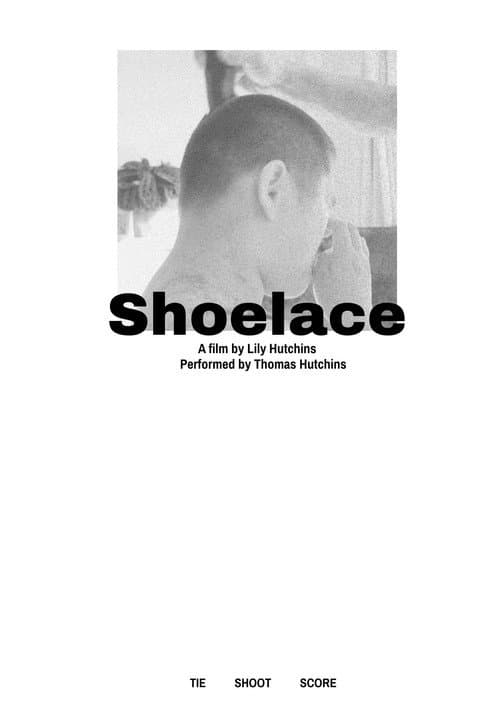
It’s a bold move for any studio to release a film with a runtime shorter than the average YouTube pre-roll ad, but that’s precisely the gamble Shoelace is making as it hits screens this Wednesday. In an era of three-hour epics and bloated streaming sagas, director Lily Hutchins has opted for radical brevity: exactly one minute of cinema, distilled to its purest emotional essence. And if the early buzz from festival circuits is any indication (though that buzz is admittedly quiet, given the film’s total length), this micro-movie might just be the most talked-about curiosity of the late-summer movie calendar.
Release Date & Where to Watch
Shoelace officially launches today, August 26, 2026. Given its truncated runtime, you won’t find it dominating your local multiplex’s IMAX screens; instead, it’s premiering as part of a curated shorts program at select arthouse theaters in New York and Los Angeles, with a simultaneous digital release on major VOD platforms like Apple TV and Amazon Prime Video. It’s also slated to appear on the Criterion Channel later this fall, which tells you something about the pedigree the distributors are hoping to attach to this little experiment. For those outside the coastal hubs, the digital drop at 12:01 AM ET is your best bet - and honestly, you’ll spend more time scrolling through the platform’s menu than actually watching the film. It’s a quick commitment, but one that demands a quiet, undistracted screen. No phone. No pause button. Just sixty seconds of your undivided attention.
Cast & Crew
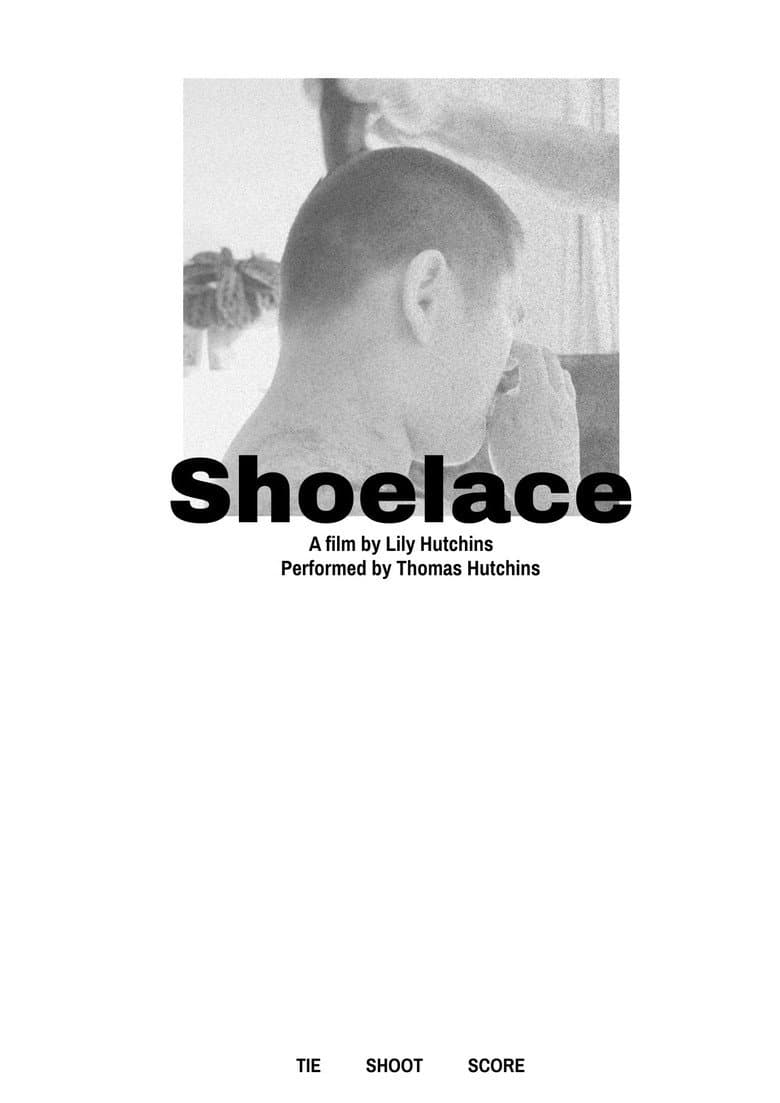
The creative force behind Shoelace is a tight-knit affair, with director Lily Hutchins pulling double duty as the film’s writer and editor. Hutchins, known for her experimental short Halftime (which ran a comparatively lavish eleven minutes), has a fascination with compressed narratives - stories that unfold in the space between heartbeats rather than across acts. Here, she’s assembled a crew of just six people, including a focus puller who reportedly had to rehearse the single, continuous shot for three days to nail the timing.
The cast is even more minimal. In the sole credited role, we have Thomas Hutchins - Lily’s real-life son, making his screen debut - playing a character simply named Thomas. The name may be the same, but don’t mistake this for a vanity home movie. Young Hutchins delivers what is essentially a wordless performance, anchored entirely in physical expression. Casting a non-professional child actor for a film with no dialogue and a fixed duration is a high-wire act, but early press notes say the director wanted “the authenticity of a real memory, not a performed one.” There are no other credited actors, no supporting cast, no cameos. The film rests entirely on the boy’s shoulders, and for sixty seconds, he carries it without a wobble.
Story & What to Expect
Here’s the challenge: describing the plot of Shoelace without spoiling it takes roughly the same amount of time as watching it. The official overview describes it as “a fragment of adolescence, seen through the eyes of Thomas.” That’s it. That’s the logline. But what that fragment covers is deceptively simple. The film opens on a close-up of a worn wooden staircase - the kind you’d find in a creaky family home - with dust motes drifting in a shaft of late-afternoon sun. Thomas, a boy of about seven or eight, is sitting on the third step from the bottom, hunched over a scuffed pair of sneakers. He’s tying his laces.
That’s the plot, but the tension is in the execution. The camera stays locked on his small fingers as they loop, pull, and loop again. There’s a hitch - a knot that won’t tighten. He frowns, tries again. The shot holds. No music. Just the ambient hum of a refrigerator from a distant kitchen, and the soft scrape of cotton against denim. What unfolds isn’t an adventure or a chase; it’s a micro-drama of patience, frustration, and eventual, quiet triumph. Hutchins uses the fixed runtime to create an almost unbearable intimacy. You watch the boy’s concentration flicker, his lips purse, his shoulders rise with a deep breath. And then, in the final five seconds, he stands up, looks directly into the lens, and there’s a flicker of something - pride, relief, or perhaps just the knowledge that he’s done it himself.
Do not expect a twist or a jump scare. Expect a meditation on small victories. The framing is tight, almost claustrophobic, but the emotional aperture widens considerably in the final beat. It’s a film that respects the mundane profundity of childhood - a moment so small that most adults would forget it within an hour, but one that, for a child, feels like climbing Everest.
Why It's Worth Watching
Let’s be honest: you’re probably wondering if a one-minute movie can justify the price of a rental, let alone the trip to a theater. That’s a fair skepticism. But Shoelace works precisely because it refuses to overstay its welcome. It’s a palate cleanser, a cinematic haiku in a summer defined by explosions and multiverse crossovers. The film’s brevity isn’t a gimmick; it’s the entire point. Hutchins has crafted a piece that forces you to slow down to its pace, to notice the grain of the film stock and the way light catches a child’s hair. In sixty seconds, it achieves what many two-hour features fail at: it makes you feel something genuine, without manipulation.
For fans of avant-garde cinema, this is a required viewing - a masterclass in economy. For general audiences, it’s a fascinating conversation starter. You’ll watch it, then rewatch it immediately (and at that length, why wouldn’t you?), noticing new details each time - a flicker of shadow, the way the boy’s tongue pokes out in concentration. It also functions as a time capsule for young Thomas Hutchins, who gives a performance of startling naturalism. He’s not acting; he’s simply being, and that honesty is disarming.
There’s also an argument that Shoelace is the perfect film for our fractured attention spans. It demands everything you have, but only for as long as you can give it. The TMDb rating currently sits at a neutral 0/10, which feels almost poetically apt - it’s a blank slate, a film that hasn’t been scored by mass opinion yet. You have the chance to form your own impression without bias. Go in with an open mind, and you might just find that a single shoelace, tied properly, is the most heroic thing you’ll see on screen all year. That’s not a bad trade for sixty seconds of your life.