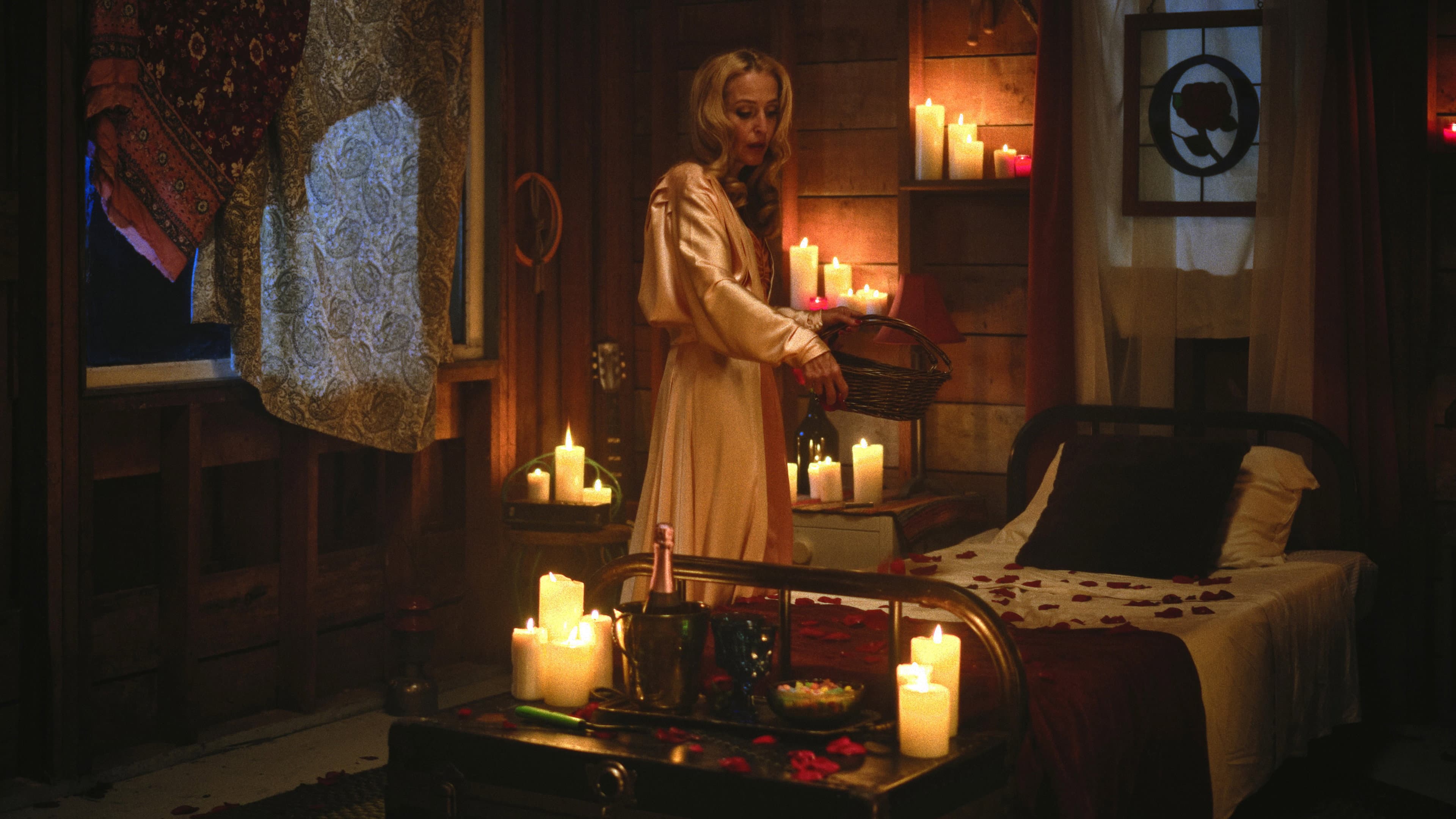
The quietest films often have the loudest echoes, and that’s precisely the wavelength Striking Matches operates on. Arriving today, August 22, 2026, this 21-minute drama-mystery from director Tae Amyot doesn’t announce itself with explosions or high-concept loglines. Instead, it burrows under the skin with a slow-burn study of disconnection, wrapped in a hushed, woodsy atmosphere that feels less like a movie and more like a half-remembered dream you can’t shake. For a short film, it packs a heavyweight emotional punch, and it’s poised to be a conversation starter for audiences craving something intimate and ambiguous.
Release Date & Where to Watch
Mark your calendars for a same-day digital drop. Striking Matches will be available to stream starting today, August 22, 2026. While the film is primarily positioned for the festival circuit - having already generated buzz in select showcases - the widest access will be through major VOD platforms, including Apple TV, Amazon Prime Video, and Vudu. Given its concise runtime, it’s also a natural fit for curated short-film collections on services like Criterion Channel or MUBI, though no exclusive deal has been announced. For those who prefer the big-screen experience, keep an eye out for limited theatrical engagements in arthouse cinemas across Los Angeles and New York, where it’s expected to play as a pre-feature attraction. Check your local listings, but the safest bet is to queue it up from your living room couch today.
Cast & Crew
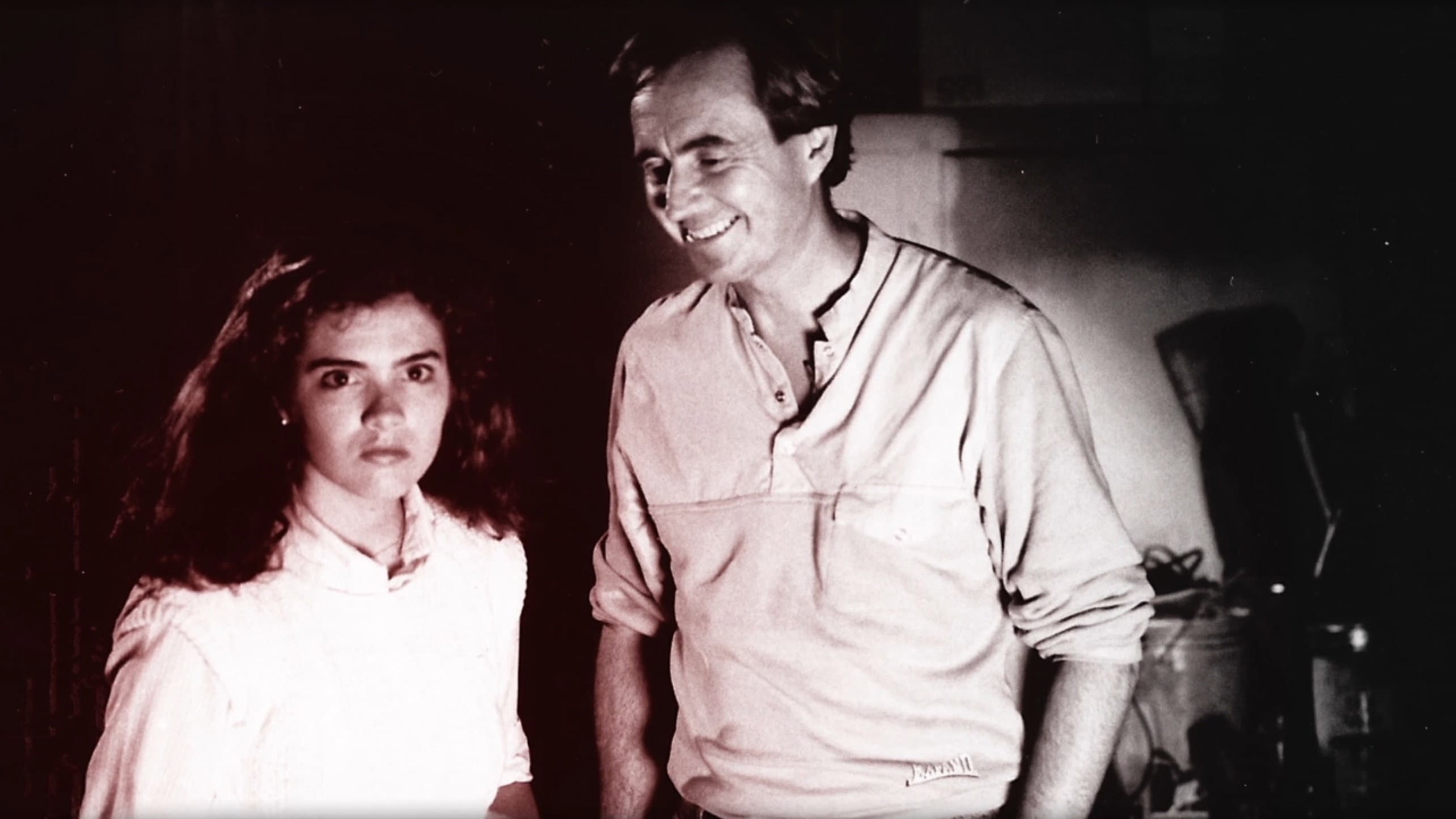
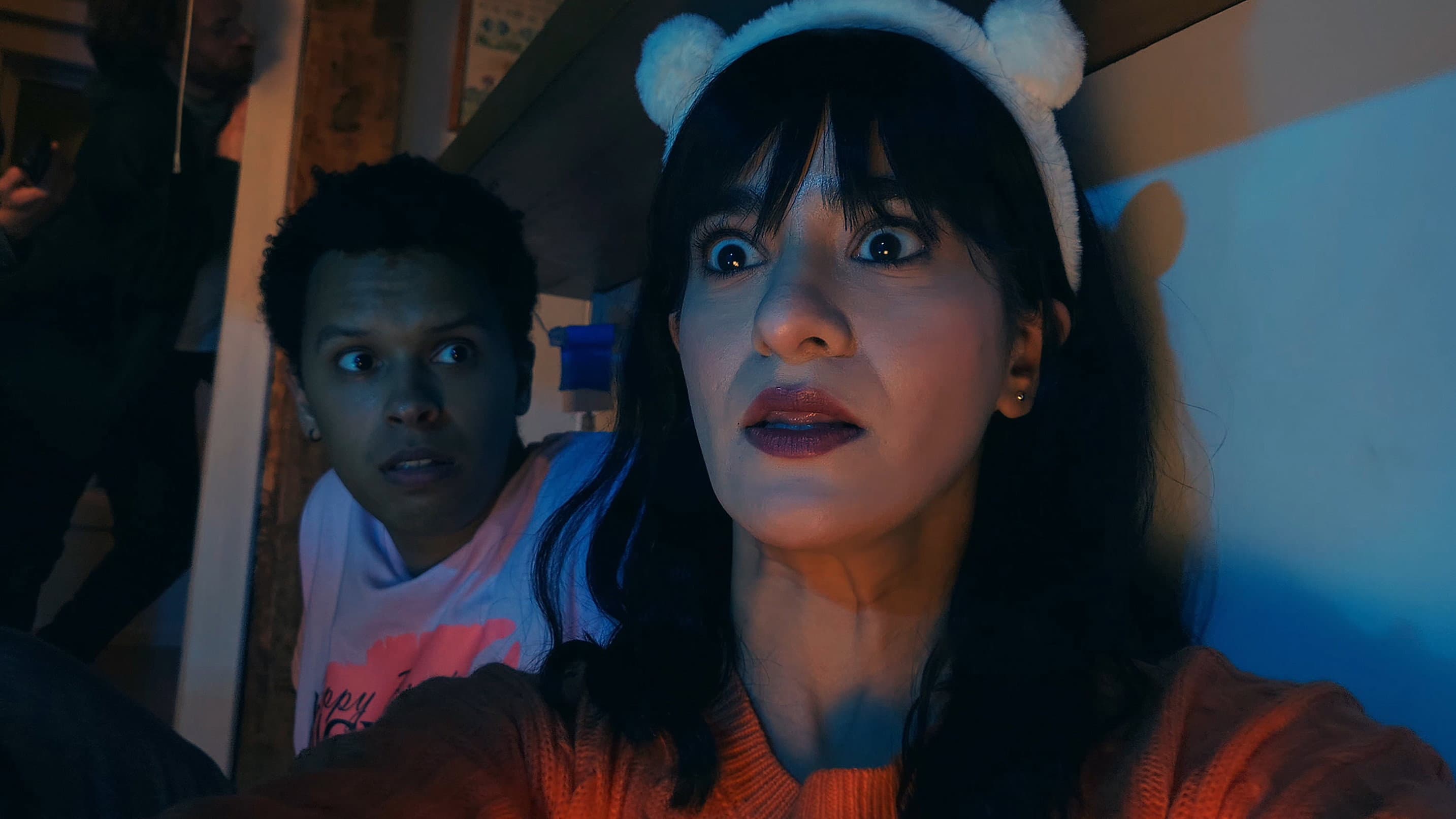
At the helm is director Tae Amyot, a filmmaker whose previous short-form work has shown a keen eye for psychological tension and visual restraint. Amyot has crafted a piece that feels both controlled and improvisational, letting silence do the heavy lifting. The film rests almost entirely on the shoulders of Chenoa Rodriguez, who plays Mellow with a haunting, vacant magnetism. Rodriguez, known for her transformative character work in indie dramas, brings a raw physicality to a role that demands more internal than external action. Her performance is the gravitational center, and she holds the screen with a quiet authority that makes every glance feel loaded.
Opposite her is Mykell Dupard, pulling double duty in the roles of both the Man in the Woods and the Boy on the Bench. It’s a clever casting flourish that suggests a thematic loop - two figures who may or may not be the same person, separated by time, memory, or perhaps something more sinister. Dupard brings a shapeshifting quality to the dual parts, making each appearance feel like a puzzle piece that doesn’t quite fit. The production crew keeps things lean, with atmospheric cinematography that leans heavily on natural light and overgrown greenery, and a sparse, ambient score that never overwhelms the dialogue. The result is a fingerprint of a film - small, specific, and unmistakably human.
Story & What to Expect
The plot, as presented, is deliberately elliptical. Mellow is drifting through life without a purpose, narrating her days in fragmented thoughts. She’s the kind of person who exists in the margins of her own story, watching the world through a glass pane. The synopsis hints at “something darker lurking beneath the surface,” and director Amyot wastes no time suggesting that the real threat isn’t outside - it’s inside Mellow’s own perception. The film opens on her wandering through a nondescript suburban park, her eyes scanning but never settling. She meets a boy on a bench who asks her a question she can’t answer - something about a game she used to play. That interaction triggers a series of memories, or perhaps hallucinations, involving a man in the woods who seems to know her secrets.
Expect a narrative that resists tidy resolution. This is not a mystery in the whodunit sense, but rather a mystery of self. The woods become a liminal space where reality and metaphor bleed together. There are long takes of Mellow walking, the camera trailing her like a concerned friend, and then jarring cuts to the Man in the Woods, whose dialogue is sparse but poetic. The 21-minute runtime works in the film’s favor; it’s short enough to maintain a taut, dreamlike mood without wearing out its welcome, but long enough to build genuine unease. Think of it as a cross between David Lynch’s Twin Peaks aesthetic and a character study by Kelly Reichardt - quiet, oblique, and emotionally resonant even when you’re not sure what’s happening.
Why It's Worth Watching
At a time when short films often feel like proof-of-concept trailers for longer features, Striking Matches stands proudly as a complete artistic statement. It’s a film that trusts its audience to sit with discomfort and ambiguity. Rodriguez’s performance alone is worth the price of admission - she manages to make passivity compelling, her face a canvas of unspoken fear and longing. The dual casting of Dupard adds a layer of intellectual play for viewers who like to dissect symbolism after the credits roll. Is the man in the woods a projection of Mellow’s repressed trauma? A guardian angel? A figure of death? The film doesn’t answer, and that’s exactly the point.
Amyot’s direction is confident, showing restraint where other filmmakers would succumb to jump scares or heavy-handed exposition. Here, the dark undercurrent is felt, not spelled out. The sound design deserves special mention: the rustling of leaves, the distant hum of traffic, and the silence between breaths create an almost ASMR-like texture that pulls you in closer. For fans of slow-burn psychological dramas, this is a must-watch. It’s a reminder that cinema doesn’t need a three-act structure or a $100 million budget to leave a lasting impression. Sometimes, 21 minutes of carefully crafted mood is enough to make your own reflection in the screen feel unfamiliar. Give it a watch, but don’t be surprised if you find yourself checking over your shoulder on your next walk through the park.