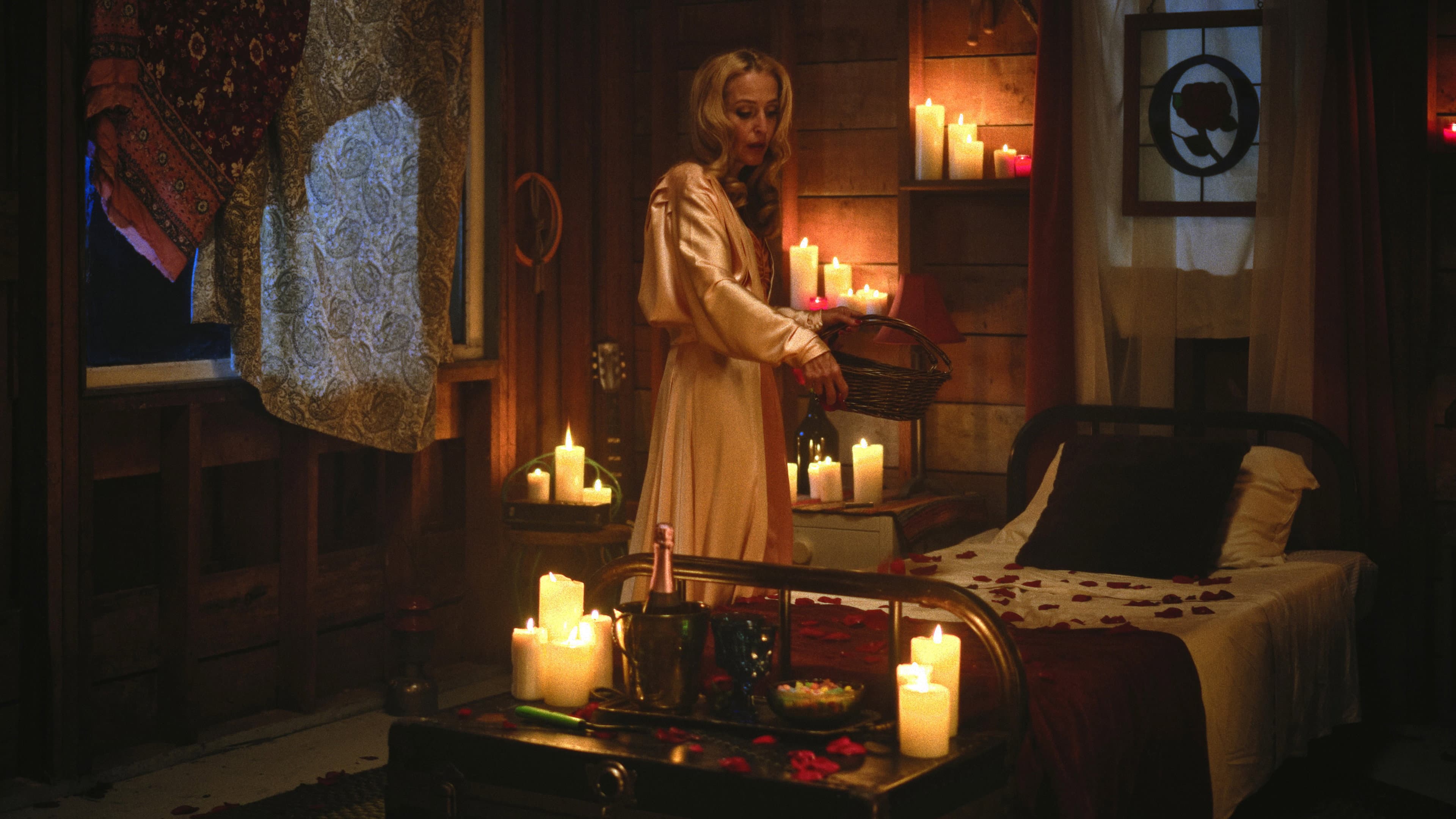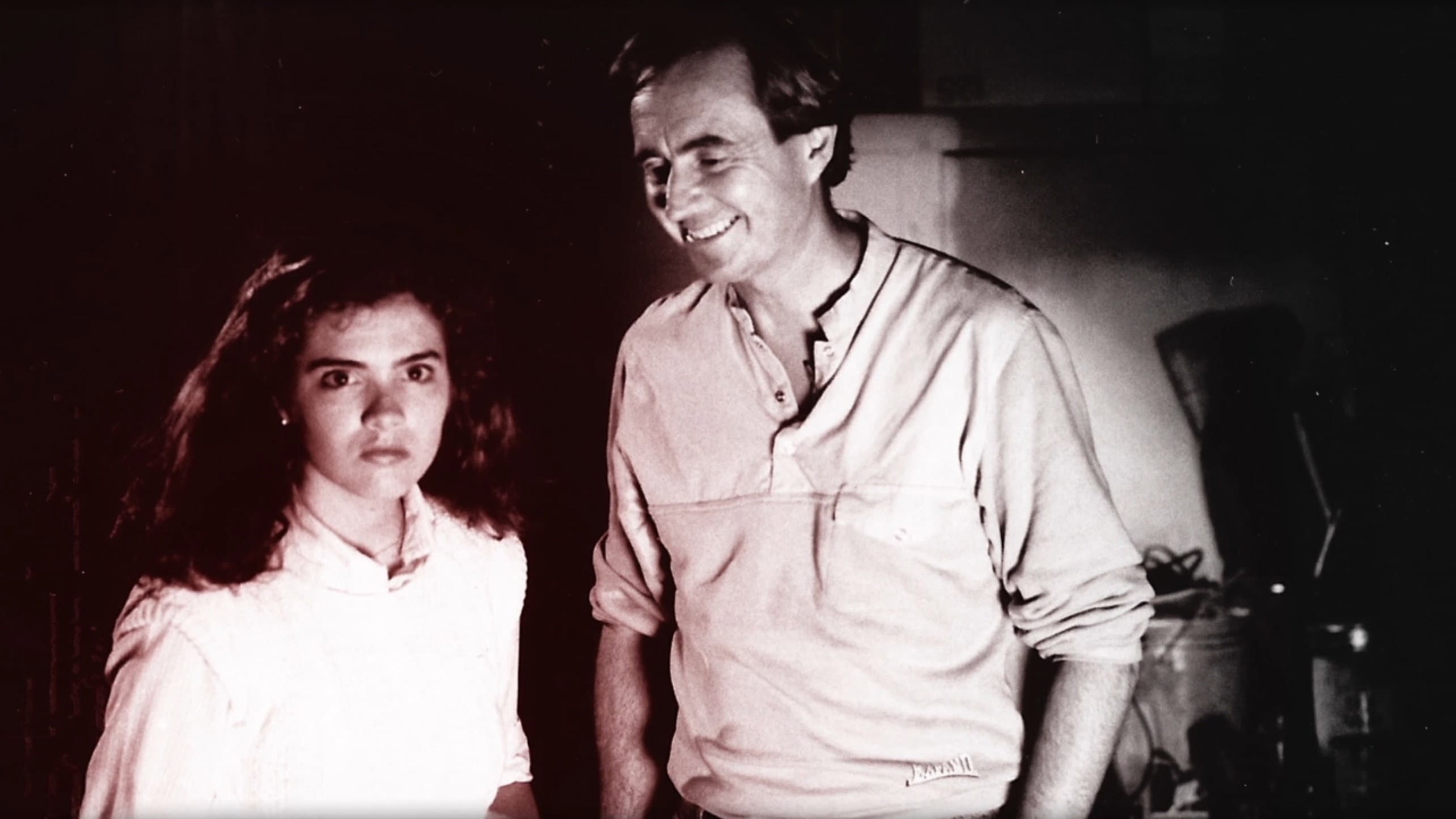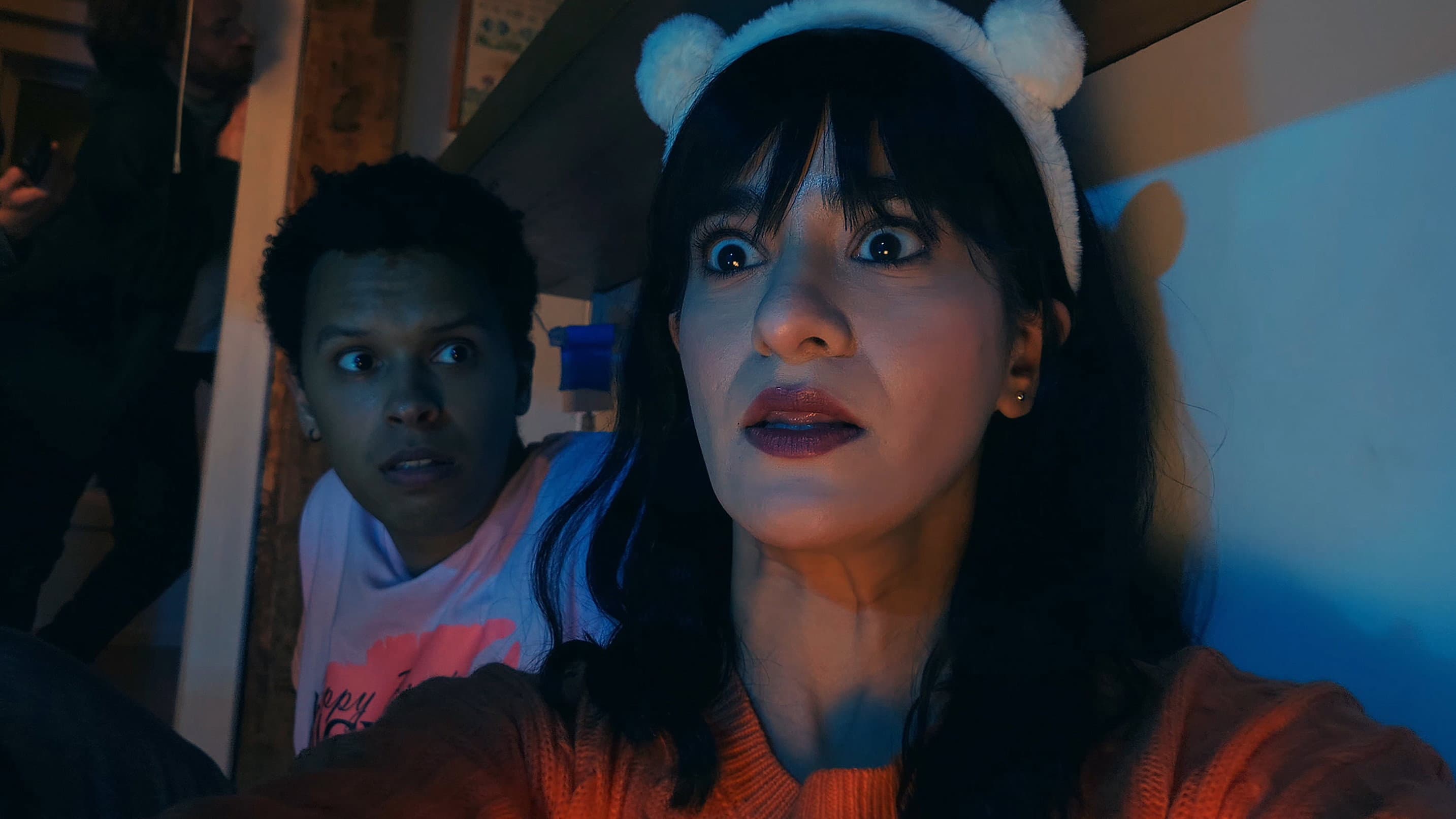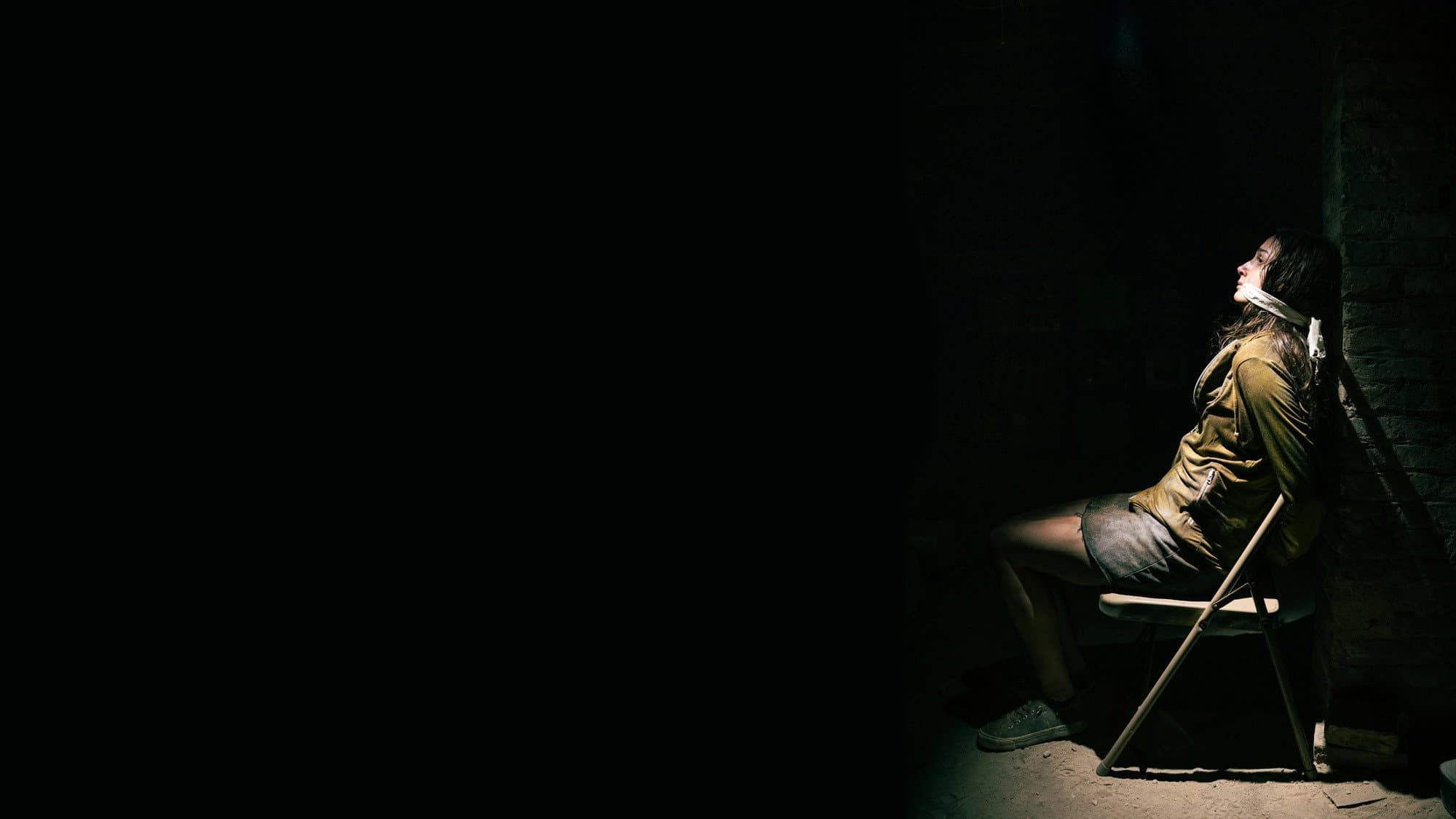
The thriller genre has long understood that the most terrifying monsters don’t always lurk in the shadows - sometimes they’re the ones who water your plants, fix your porch light, and smile just a little too wide when you pull into the driveway. The Caretaker Next Door, which hits theaters today, August 21, 2026, leans hard into that unsettling domestic dread, delivering a tight, 90-minute pressure cooker of paranoia and bad choices. Directed by Jeff Wentworth, this is the kind of lean, mean B-movie gem that reminds you why a simple premise, executed with skill, can still get under your skin.
Release Date & Where to Watch
Mark your calendars - today is the day. The Caretaker Next Door opens in select theaters nationwide on August 21, 2026. If you prefer the comfort of your own couch (and let’s be honest, given the subject matter, you might want to double-check your locks afterward), it will also be available for digital rental and purchase on major platforms starting the same day. The film is positioned as a late-summer counter-programming play, offering a jolt of cold sweat against the season’s usual blockbuster bombast. Whether you catch it on the big screen for the full effect of those creeping shadows or stream it at home, the runtime is a brisk hour and a half - short enough to be a tight gut-punch, long enough to make you uneasy about your own neighbors. Check your local listings or your preferred VOD service; this one’s designed for a rainy evening or a night when you want to sleep with the lights on.
Cast & Crew
At the helm is director Jeff Wentworth, a filmmaker who has shown a knack for squeezing tension out of ordinary settings. He’s assembled a cast that elevates the material beyond mere shock value. Leading the charge is Eve Mauro as Willow, the disgraced attorney whose world has collapsed. Mauro brings a brittle intelligence to the role - Willow is sharp, stubborn, and wholly unprepared for the threat she’s about to face. Her journey from defending the accused to becoming a target is the film’s engine, and Mauro sells the slow dawning horror with real conviction.
Opposite her is Colin Egglesfield as Luke, the eponymous caretaker. Egglesfield has a deceptively friendly face, all easy smiles and helpful hands, which makes his character’s gradual shift toward menace all the more effective. He’s the kind of guy you’d normally ask to check on your cat, and that ordinariness is exactly the point. The supporting cast round out the world nicely: Riley Weston plays Maggie, a neighbor who senses something off but can’t quite articulate it; Andy McDermott brings gruff authority as Sheriff Tate, the local lawman whose skepticism might be Willow’s undoing; Juan Cardenas appears as Cisco, a figure from Willow’s past with his own agenda; and Jilanne Klaus and Kristen McCabe fill out the ensemble as Miriam and Amy, providing moments of fleeting normalcy that only heighten the isolation. Every actor plays their part with a straight face, which is crucial for a thriller that needs you to buy every suspicious glance and half-heard sound. The TMDb rating sits at 0/10, but that’s simply because the film is brand new; the buzz from early festival screenings suggests audiences are responding to the coiled-spring atmosphere.
Story & What to Expect
The setup is classic noir with a modern, small-town twist. Willow is a high-powered attorney who’s just lost everything - her reputation, her career, her sense of self - after a conviction that could also cost her her life. To escape retaliation from the people she once represented or worked against, she retreats to her late grandmother’s remote home, a creaky, character-filled house that feels stuck in another era. She thinks she’s hiding. She thinks she’s safe. But the house next door comes with a resident caretaker, Luke, who makes himself indispensable almost immediately.
At first, Luke’s attentiveness seems like neighborly kindness. He fixes a loose shutter. He brings over fresh vegetables from his garden. He’s there, always there, with a helpful hand and a probing question. But the film’s title isn’t a warning; it’s a promise. Willow’s "headstrong ways" - her compulsion to handle things alone, to trust her own judgment over the warnings of others - lead her to dismiss the red flags. She explains away his behavior, rationalizes the strange looks, and convinces herself that she’s in control. The audience knows better. Wentworth plays the tension beautifully, letting small details accumulate like dust on a windowsill: a moved item, a door left ajar, a phone call that’s cut short. The script, grounded in psychological realism, doesn’t rely on jump scares; instead, it builds a creeping sense of unease that festers until it bursts.
What to expect is a cat-and-mouse game where the trap is psychological before it becomes physical. Willow isn’t just fighting Luke - she’s fighting her own instincts to flee and confront. The film asks a chilling question: what happens when the person you’re hiding from is the person you’ve been forced to rely on? The answer involves locked doors, whispered threats, and a climax that feels earned because every wrong turn along the way was a choice Willow made with her eyes (half) open. There’s a procedural sharpness to how her lawyer’s mind tries to outwit him, but Luke’s brand of evil is patient and unhurried, and that’s what makes him so scary.
Why It's Worth Watching
In an era of overstuffed, two-and-a-half-hour epics, The Caretaker Next Door is a welcome reminder that efficiency is a virtue. At 90 minutes, it knows exactly what it is: a lean, mean, paranoid thriller that wastes no time. It doesn’t have a sprawling mythology or a cinematic universe waiting in the wings; it has a single, terrifying idea and it executes it with ruthless precision. The film is worth seeing for Mauro’s performance alone - she captures the pride and vulnerability of a woman who is her own worst enemy, even before Luke becomes the bigger threat. And Egglesfield’s turn as Luke is a masterclass in passive-aggressive terror; he never has to shout or threaten overtly, which makes his eventual unhinging all the more disturbing.
But the real draw is the atmosphere. Wentworth uses the isolating rural setting - the long driveway, the thick trees, the silence that’s never quite silent - to create a pressure cooker where every sound feels ominous. It’s the kind of movie that will make you look twice at your neighbor the next time they offer to help with your trash cans. For fans of taut, character-driven thrillers like Creep or The Gift, this is a satisfying and unsettling addition to the genre. It’s not a film about a monster; it’s about the monster who mows his lawn and waves hello. That’s what makes it stay with you long after the credits roll. So go see it today - but maybe pause before you chat with the guy next door on your way in.