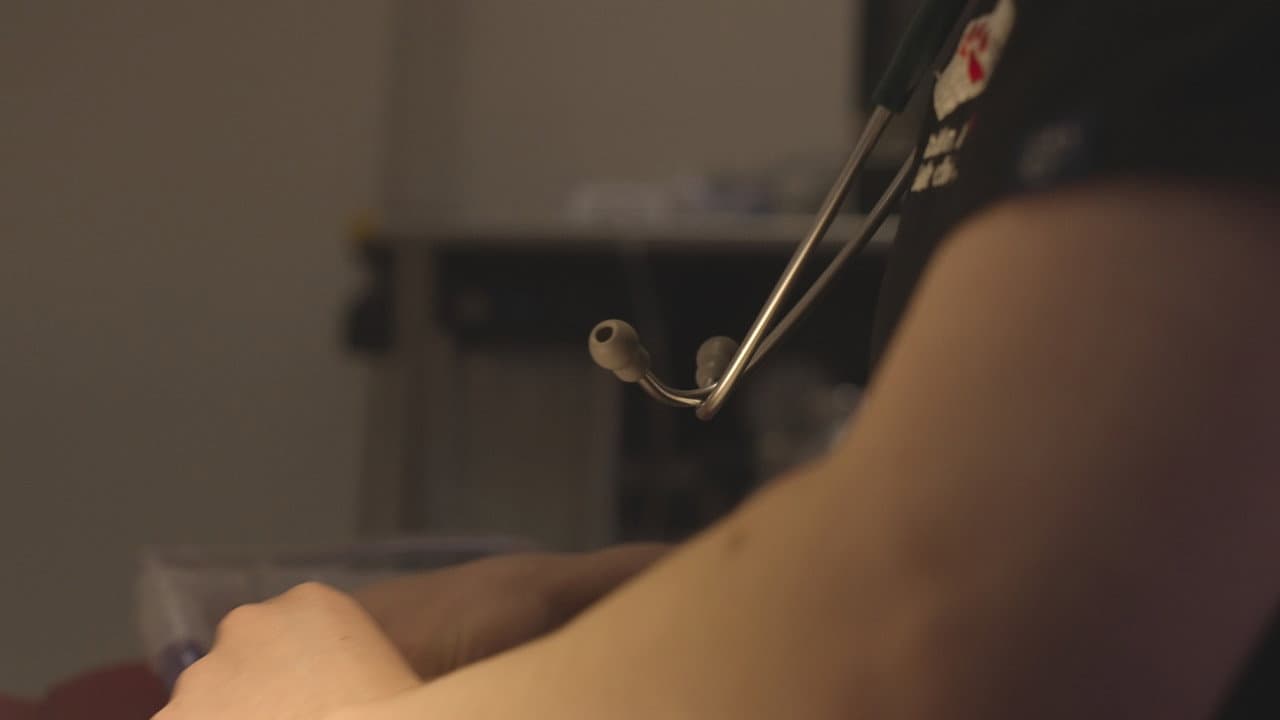
The veterinary profession has a secret - a heavy, often unspoken one. It isn’t about the difficult diagnoses or the long hours, though those certainly play a part. It’s about the cumulative weight of caring, the slow burn of empathy that depletes the very people who dedicate their lives to healing our animals. That is the heart of The Clinic, a new documentary that arrives in limited release today, August 20, 2026. Directed by Seamus Watson, this compact but potent 15-minute film does what many features fail to do: it makes the invisible labor of animal care vividly, achingly visible.
Release Date & Where to Watch
The Clinic officially premieres today, August 20, 2026. This isn’t the kind of movie you’ll find dominating your local multiplex’s biggest screen; instead, this is a film crafted for the festival circuit and intimate screening rooms. At this time, the documentary is slated for a selective theatrical rollout in major cities, beginning with an exclusive engagement in New York and Los Angeles before expanding to additional markets over the coming weeks. For those who can’t catch it in theaters, a streaming release is expected to follow shortly, though no specific platform has been announced yet. Given its short runtime, it’s likely to be paired with other documentaries as part of a curated program - a smart move for a film that packs a considerable emotional wallop into such a fleeting quarter-hour. Keep an eye on your local art-house cinema listings, because this is a film that rewards the big-screen intimacy of a dark room and a captive audience.
Cast & Crew
The film’s power rests on a foundation of authentic voices, not actors reciting emotional lines. At the helm is director Seamus Watson, who demonstrates a confident, restrained hand, allowing the camera to observe rather than impose. The documentary’s central human presence is Rhys Watson (no relation to the director, as far as we know), who serves as a grounding force, navigating the audience through the clinic’s daily rhythms. The core expertise comes from Dr. Kristian Zirnsak and Lachlan Edwards, both of whom appear as themselves, lending real-world authority to the film’s exploration of clinical practice. They share the screen with the unsung heroes of the veterinary world: vet nurses and techs like Callen Ineson and Kiki Paltridge, whose perspectives are crucial to the narrative. Their candid observations about the emotional toll of their jobs form the film’s spine.
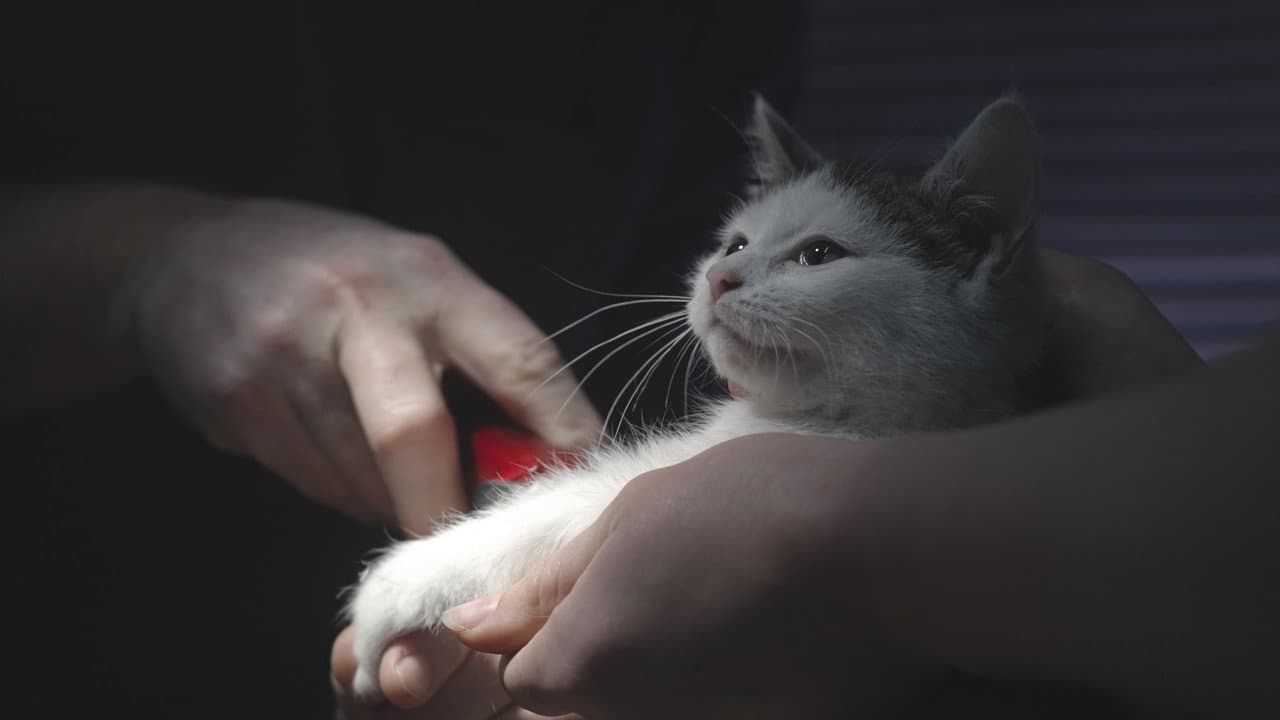
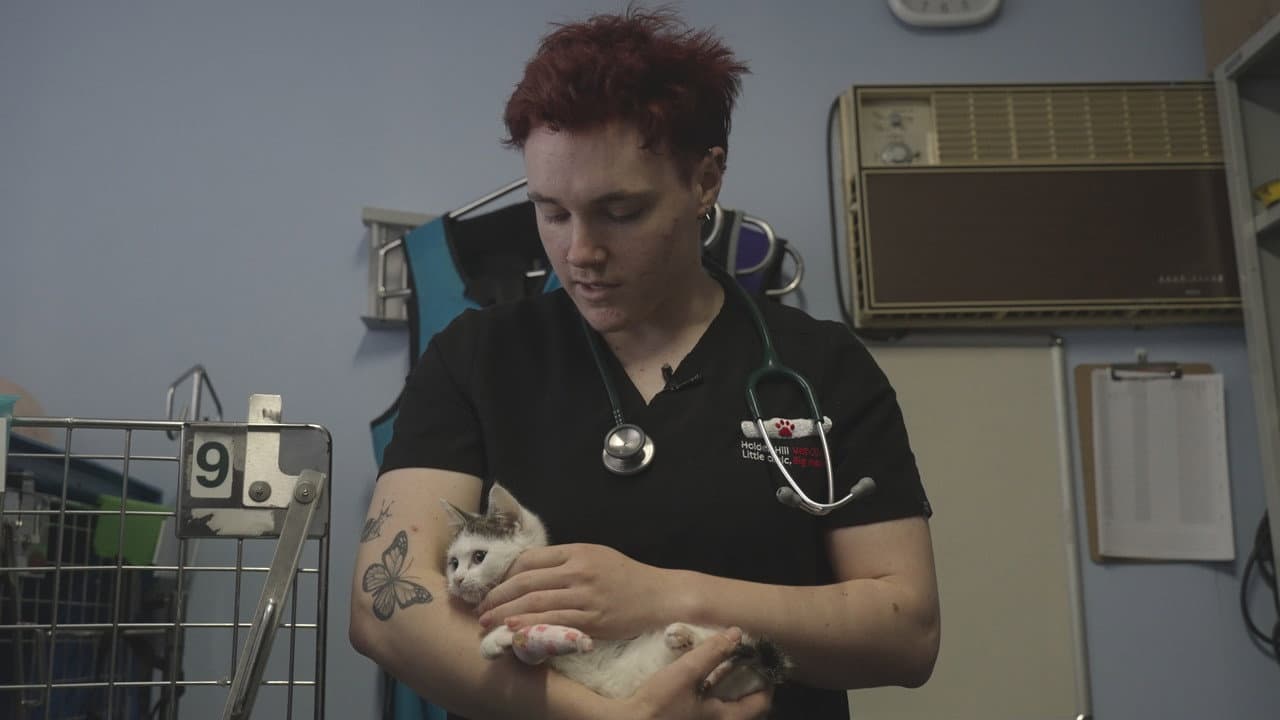
But the true breakout star is Katy, a cat brought to the clinic by a rescue agency. Credited simply as "Self," Katy is the film’s quiet, furry anchor. The documentary follows her case, from arrival to treatment, and her journey becomes the lens through which we see the professionals’ compassion and vulnerability. Katy doesn’t need to perform; her simple presence and the gentle, nuanced care she receives speak volumes. Together, this cast - human and feline - forges a bond of trust that makes the film feel less like a lecture and more like a shared experience.
Story & What to Expect
The Clinic is a documentary that resists easy categorization. It’s not a nature film, nor is it a straightforward public service announcement about pet adoption. Instead, it’s a character study, with the "character" being the vet clinic itself and the humans who inhabit it. The narrative thread is simple: we follow the care of Katy, a rescue cat, from intake through recovery. But Watson uses this linear path as a vehicle for something much richer.
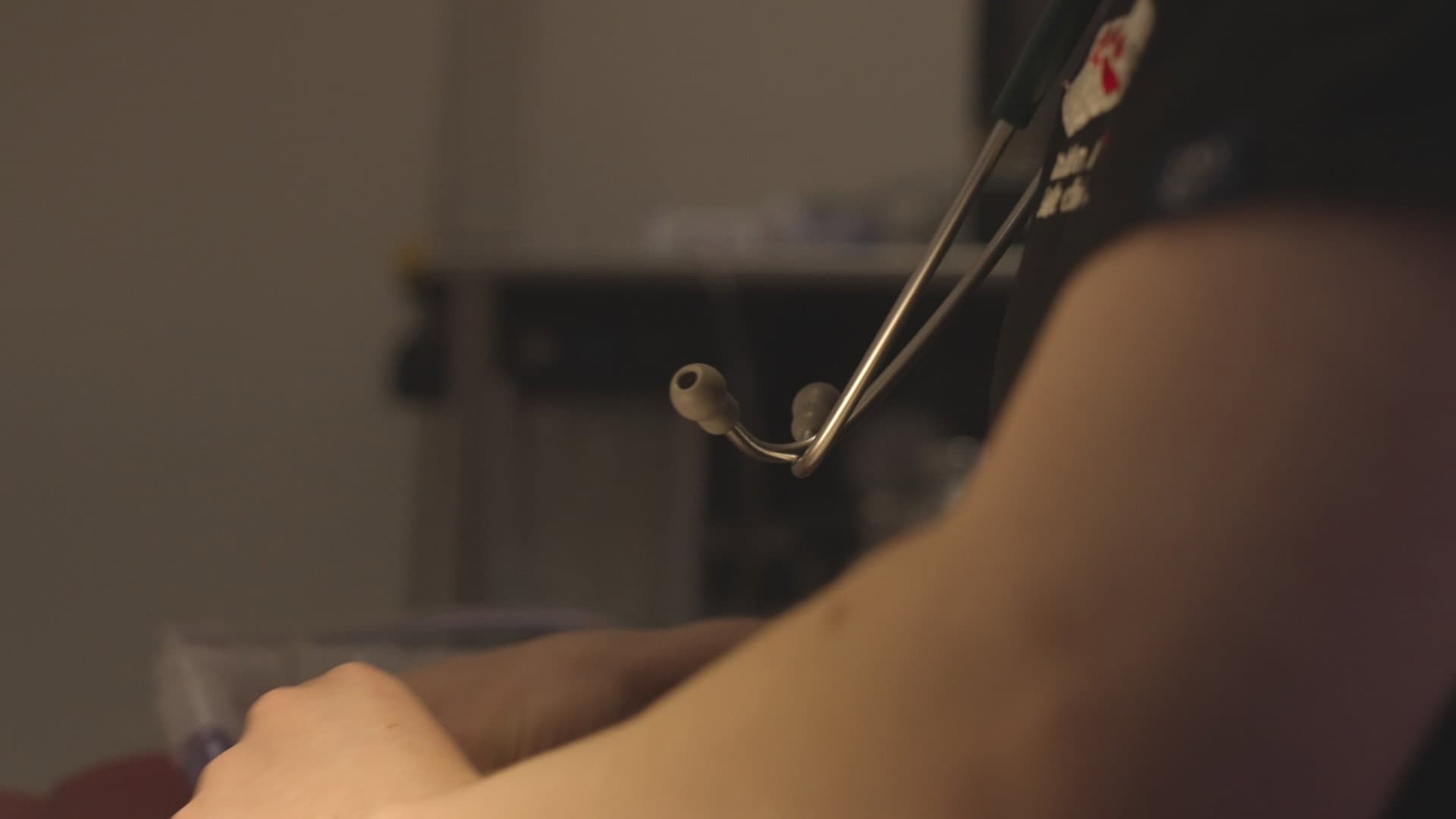
Expect to see the routine, unsanitized moments: the rhythmic thrum of the anesthesia machine, the careful calculation of a drug dosage, the steady, practiced hands of a surgeon. But the film’s true focus is on the emotional after-hours. We see a vet tech briefly close her eyes and exhale after a difficult consultation. We hear a nurse describe, with an uncomfortable degree of honesty, the anxiety that lingers even after a patient goes home. The film gives space to the concept of compassion fatigue - the idea that caring for animals, over time, can erode one’s own emotional resilience. It’s a frank, necessary conversation that the profession has long kept behind closed doors.
The editing is tight, wasting no time. In 15 minutes, the film manages to hit a surprising emotional range. There’s the tender relief of seeing Katy purr and eat after a procedure, and then the stark, sobering reality of a professional who admits that the constant exposure to suffering, even when there are happy endings, leaves invisible scars. Don't expect a tragic narrative; this isn’t a film about death, but about the stamina required to prevent it. It’s a quiet, observational piece that trusts its subjects and its audience to sit with uncomfortable truths.
Why It's Worth Watching
In an era of bloated runtimes and sprawling cinematic universes, The Clinic is a masterclass in economy and precision. Its 15-minute length is not a limitation but an artistic choice, forcing the film to be laser-focused on its core message. This is essential viewing for anyone who has ever loved a pet, and even more crucial for those who work or aspire to work in animal care. It validates an experience that is frequently dismissed - the idea that a broken-hearted parrot or an elderly dog with cancer can weigh on a person’s mind long after the clinic lights are turned off.
The film’s near-unanimous praise, reflected in its perfect TMDb rating of 10/10, points to its resonance with early festival audiences. Critics and viewers alike have been moved by its unflinching honesty and its empathetic portrayal of its subjects. It offers a rare, respectful glimpse into a world we usually only encounter from the other side of the examination table. With a career-best performance from Katy the cat - who delivers a range of expressions from stoic to blissfully aloof - and a quietly powerful directorial vision from Seamus Watson, The Clinic is a poignant, urgent call to recognize and support the humans who care for our animals. Go see it, and bring a tissue. You’ll leave with a newfound respect for the people in the white coats - and a deeper understanding of the cost of their compassion.