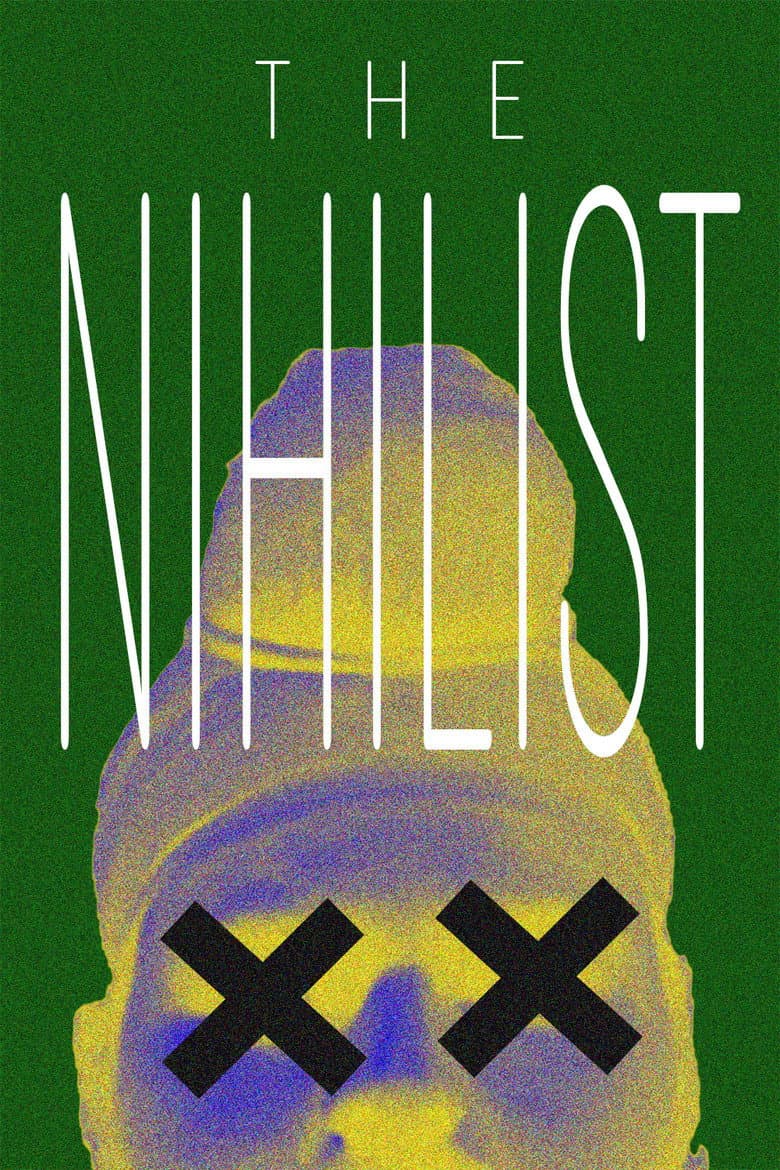
The math is stark, and the ambition is even starker. On August 24, 2026, a film arrives that dares to ask the biggest question of all - and then refuses to blink. That film is The Nihilist, a two-minute drama that, on paper, sounds less like a feature and more like a dare. But in an era of bloated, three-hour epics and endless cinematic universes, there’s something almost radical about a movie that knows exactly what it is, says what it needs to say, and gets out. It’s a whisper of a film, but whispers can carry more weight than screams.
Release Date & Where to Watch
The Nihilist officially opens today, August 24, 2026. There’s no wide theatrical rollout, no IMAX footprint, no 70mm roadshow. Instead, this is a film that will live and breathe in the digital sphere, premiering on major streaming platforms including VOD, Prime Video, Apple TV, and a dedicated Vimeo channel. Given its runtime, it’s also tailor-made for social video, so expect to see it popping up on YouTube and curated short-film feeds by week’s end.
But don’t let the brevity fool you into thinking this is a throwaway. The release strategy feels deliberately intimate, almost like a private screening you happen to stumble upon. There’s a certain poetry in watching a film about the void in a format that can be consumed between two swipes of a thumb. It’s a movie for the moment, and the moment is now. No extended cut, no director’s commentary - just a pure, unadorned slice of existential dread. Check your local listings for the streaming link; the film is available globally with no geo-restrictions, which feels appropriate for a story about universal emptiness.
Cast & Crew
At the helm is director HS Musson, a name that might not yet be a household staple but one that cinephiles will likely be hearing more about. Musson wears multiple hats here, and not just the auteur’s beret. He wrote the screenplay, directed the single-sitting shoot, and also stars as The Protagonist, the film’s lone character. This is a one-man band operation, and the result is a stark, unfiltered vision. You won’t find a supporting cast list because there isn’t one - the entire narrative rests on Musson’s shoulders, and he carries it with a quiet, coiled intensity.
There’s a certain bravery in such self-imposed isolation. No co-stars to bounce off of, no veteran actor to lean on. Musson has chosen the hardest path: total responsibility. The credits are short, almost to the point of a joke, but they’re also a declaration. This is not a committee film. It’s a singular voice, recorded on what was likely a minimal budget, with maximum confidence. The TMDb rating of 0/10 is a misleading marker - it’s a placeholder for the inevitable flood of divisive opinions. A zero is a starting point, not a judgment.
Story & What to Expect
Here is the entire plot, in one sentence: A young man questions the dark part of life. That’s it. No names, no backstory, no inciting incident. The Protagonist exists in a state of limbo, staring into the camera or perhaps at a wall, wrestling with the void. The film doesn’t give you answers - it gives you a mood.
Expect precisely two minutes of atmospheric dread. Think of it as a tone poem, closer to an experimental art installation than a conventional narrative. There’s no twist, no redemption arc, no sudden burst of sunlight. What you get is a sustained, almost unbearable tension. Musson’s performance is internal; his eyes do the heavy lifting. The camera, presumably static, holds on him in a medium shot, letting the silence do the shouting. There might be a score, or perhaps just ambient noise - the hum of a refrigerator, the distant sound of traffic - details that ground the abstract in the mundane.
If you’re expecting a monologue, you may be disappointed. If you’re expecting a punchline, you’re watching the wrong movie. This is a provocation. It’s a film that asks why we exist, and then suggests, perhaps, that the question itself is the problem. The runtime is a blessing: it’s too short to grow tedious, and just long enough to lodge itself into your subconscious. You’ll watch it, feel a knot in your stomach, and then you’ll carry it with you for the rest of the day. That’s the design.
Why It's Worth Watching
Because no one else is making films like this right now. In a landscape dominated by franchise tentpoles and feel-good nostalgia, The Nihilist is a cold glass of water in the face. It’s not entertaining in the conventional sense; it’s challenging. And there’s a strange, almost perverse comfort in that challenge.
It’s worth watching for the sheer audacity of its brevity. It respects your time. It gives you 120 seconds of pure, unadulterated philosophical despair, and then it leaves you alone. There’s no overstaying its welcome, no third-act bloat. It’s a precise, surgical strike on your emotional equilibrium. For fans of fast-paced storytelling, it’s a palate cleanser. For anyone who’s ever stared at the ceiling at 3 a.m. wondering about the point of it all, it’s a mirror.
Yes, it’s bleak. But it’s also honest. And in a world that sells you false hope daily, honesty is a rare commodity. Musson isn’t trying to make you feel good; he’s trying to make you feel. The zero rating might scare you off, but let it intrigue you instead. A film that polarizes is a film that’s alive. Give it two minutes. You’ll either hate it - or you’ll see a bit of yourself in that dark, unnamed stare. Either way, you won’t forget it.