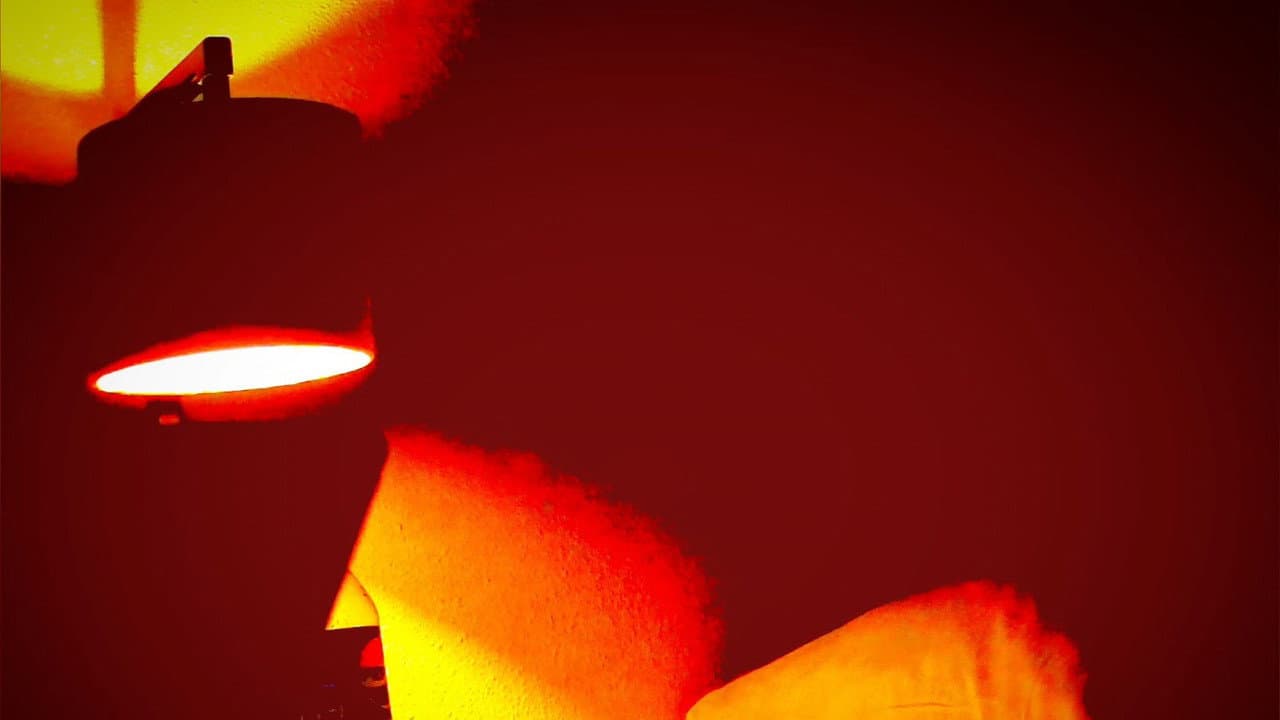
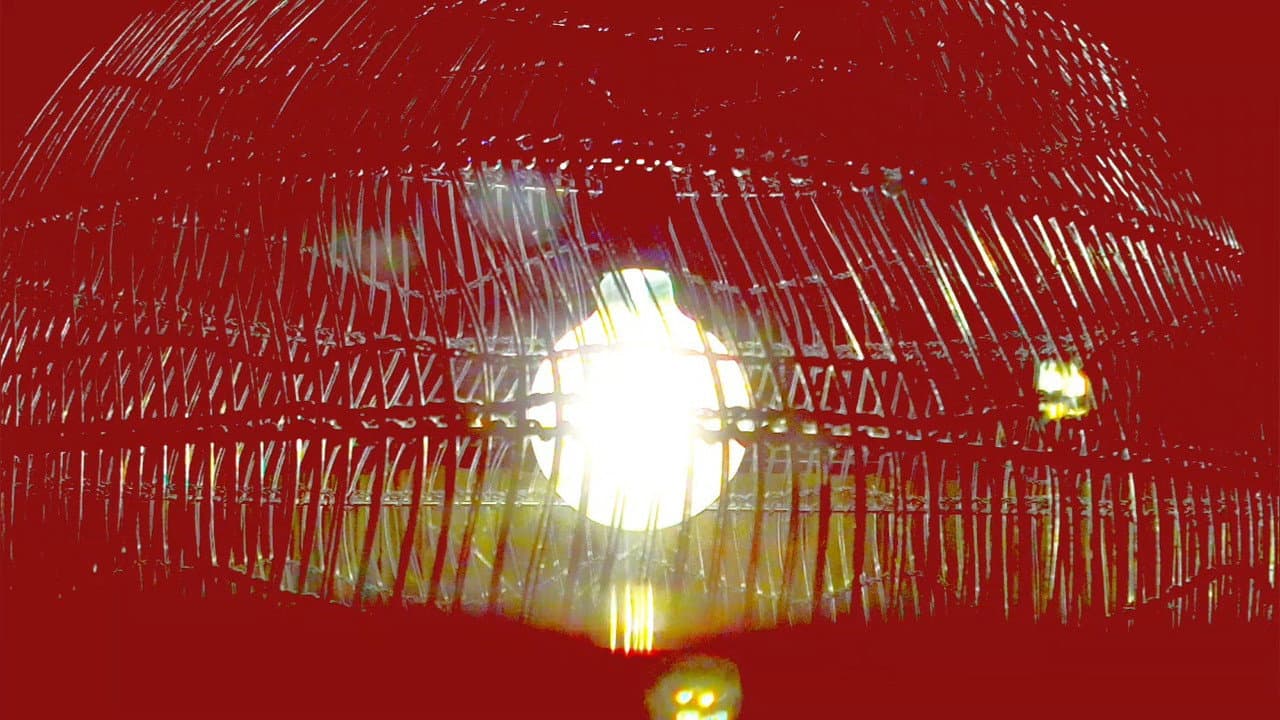
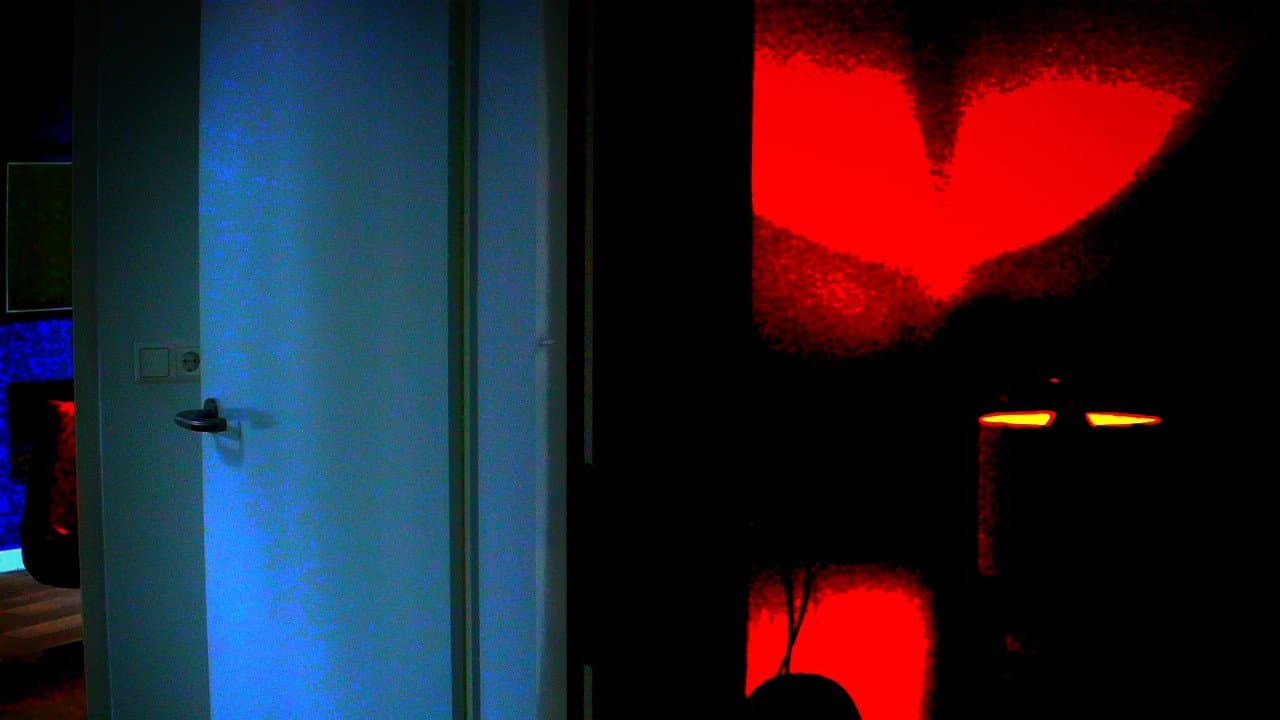
The horror genre has spent decades perfecting the art of the jump scare, the creaking floorboard, and the shadow that moves just a fraction too late. But what happens when you strip away the omniscient view of the terrified family and shove the audience directly into the eyes of the predator? That’s the queasy, claustrophobic premise of vacation intruder, a 51-minute exercise in sustained dread that arrives today, August 18, 2026, with the kind of minimalist ambition that could either be a disaster or a revelation. After sitting through it, the only honest answer is a deeply uncomfortable, “both.”
This is not a film that eases you into its nightmare. From the first frame, the camera is a pair of eyes - unblinking, patient, and utterly devoid of moral hesitation. We are the intruder. We watch through window glass as a family unpacks beach bags and argues about sunscreen. We circle the property, testing a loose latch on the back gate. And when the moment comes to step inside, the film doesn’t flinch. Neither do we, because we can’t look away. Directed by and starring the singular Mandy Boonstra, vacation intruder is a brutal, lean experiment in cinematic empathy reversed - forcing the viewer to become complicit in a home invasion without the usual narrative escape hatch of a “final girl” to root for.
Release Date & Where to Watch
Mark your calendars for today, August 18, 2026 - there is no theatrical rollout, no staggered international release. vacation intruder lands directly on the streaming platform that has become the de facto home for micro-budget genre oddities: Shudder. Given its hyper-specific format and 51-minute runtime, it’s a perfect fit for a platform that celebrates the weird, the nasty, and the formally inventive. US subscribers can stream it immediately at 3:00 AM ET, which feels appropriately sinister. As of now, there are no plans for a physical media release, though given the cult buzz already circulating in horror circles, a limited Blu-ray with a commentary track from Boonstra seems inevitable. This is a film that demands to be watched in a dark room with headphones on - no distractions, no checking your phone. The less you know about the structure, the better, but know this: you will not be comfortable on a couch by the end.
Cast & Crew
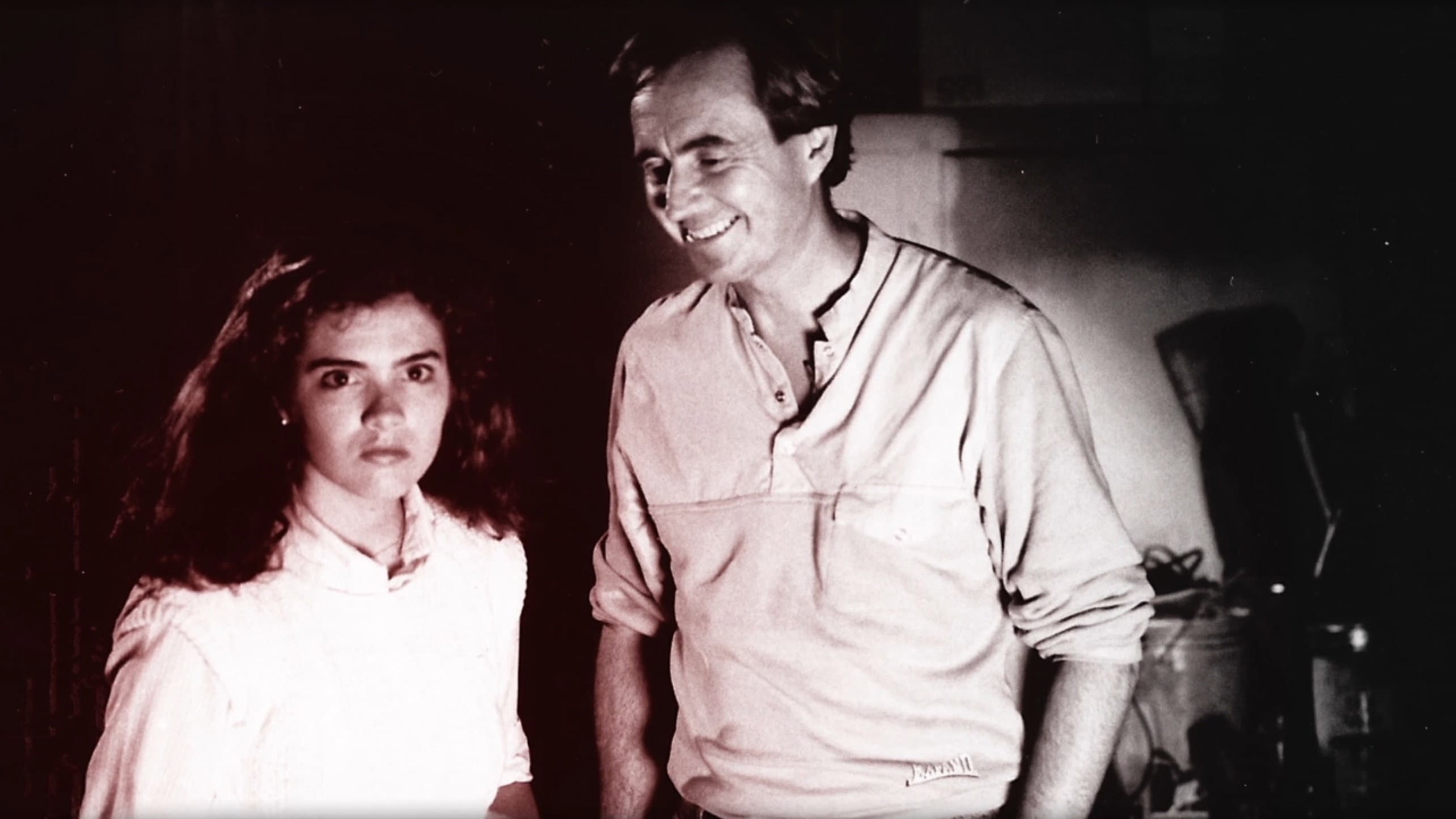
The entire premise rests on a single pair of shoulders - or, more accurately, a single pair of eyes. Mandy Boonstra is the film’s auteur in the truest sense, serving as director, writer, editor, and sole credited on-screen performer, playing both the intruder and the victim. That dual role is not a gimmick. Boonstra, who previously made waves in the festival circuit with her short film The Hollow Stare, has crafted a cinematic puzzle box where the same actress physically embodies two opposing forces, often within the same shot through clever practical effects and split-screen framing. She plays the masked figure whose hands we see gloved, whose breathing we hear in the soundtrack. But she also plays the vacationing homeowner - a woman whose face we only glimpse through reflections, in mirrors, and in the terrified glances of the camera’s own perspective. It’s a technically staggering feat that never feels like a student film exercise. Boonstra’s background in physical theater is evident; her body language as the intruder is a symphony of predatory patience, while her victim performance is a raw, guttural portrayal of panic. The supporting cast is limited to uncredited voices - a neighbor’s distant call, a phone message from a worried mother - that serve only to heighten the isolation. The score, credited to the mysterious electronic act Static Cartography, is a low-frequency hum that feels like it’s vibrating in your molars.
Story & What to Expect
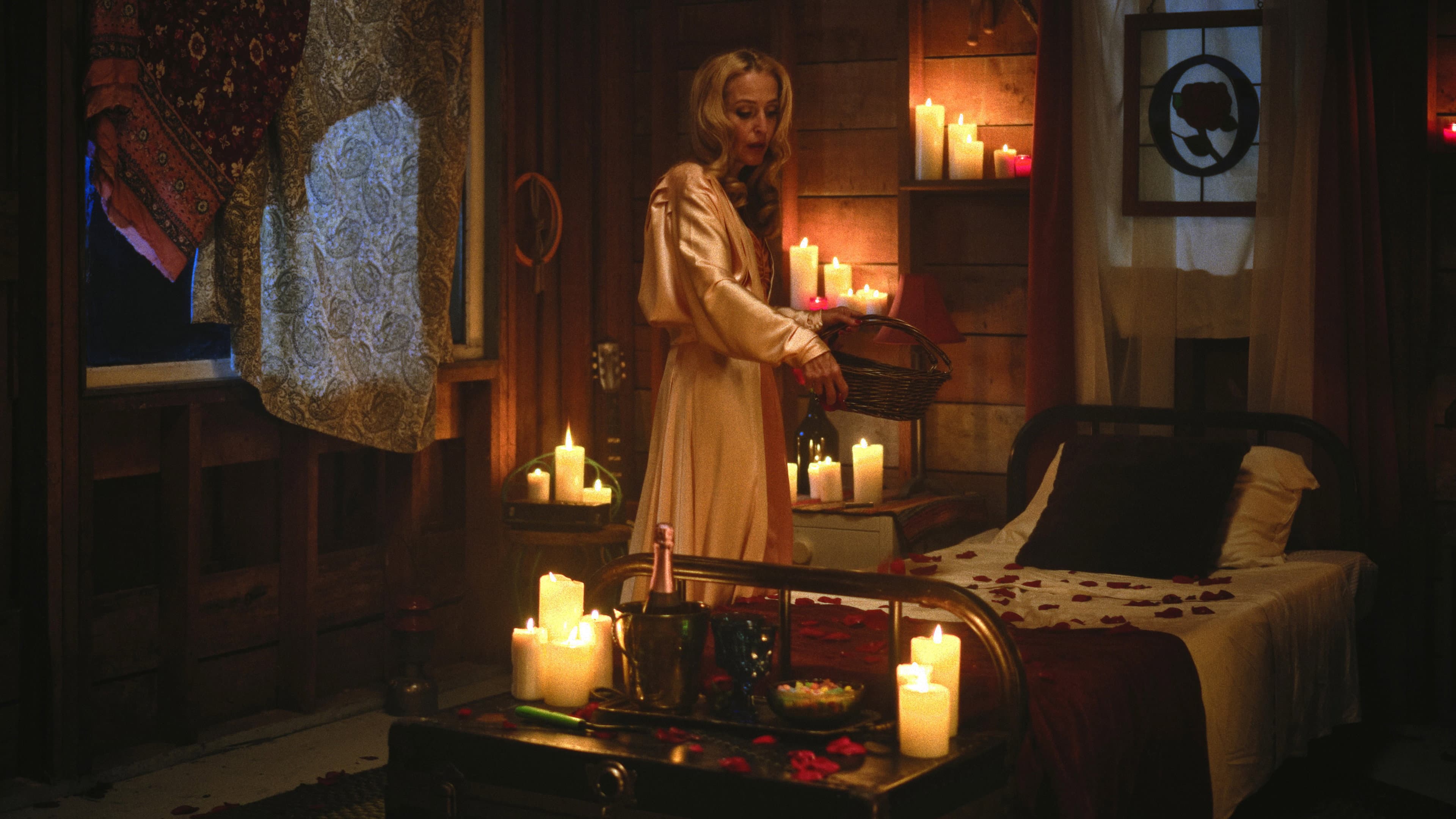
To describe the plot is to describe a single, uninterrupted nightmare. The setup is brutally simple: a wealthy couple and their teenage daughter have rented a modernist glass-and-cedar vacation home on the Oregon coast. They arrive, they unpack, they go to the local market. Meanwhile, the intruder - us - has already been watching for three days. The film unfolds in real-time, or close to it, as the invader picks a lock, disables a security camera, and begins a methodical sweep of the house. But Boonstra throws a wrench into the slasher formula within the first ten minutes. The intruder is not here to steal silverware or even to harm the family. They’re here for something far more specific: to occupy the space, to touch the belongings, to wear the victim’s clothes. The horror is not just in the violation but in the obsessive, almost tender care taken with each object.
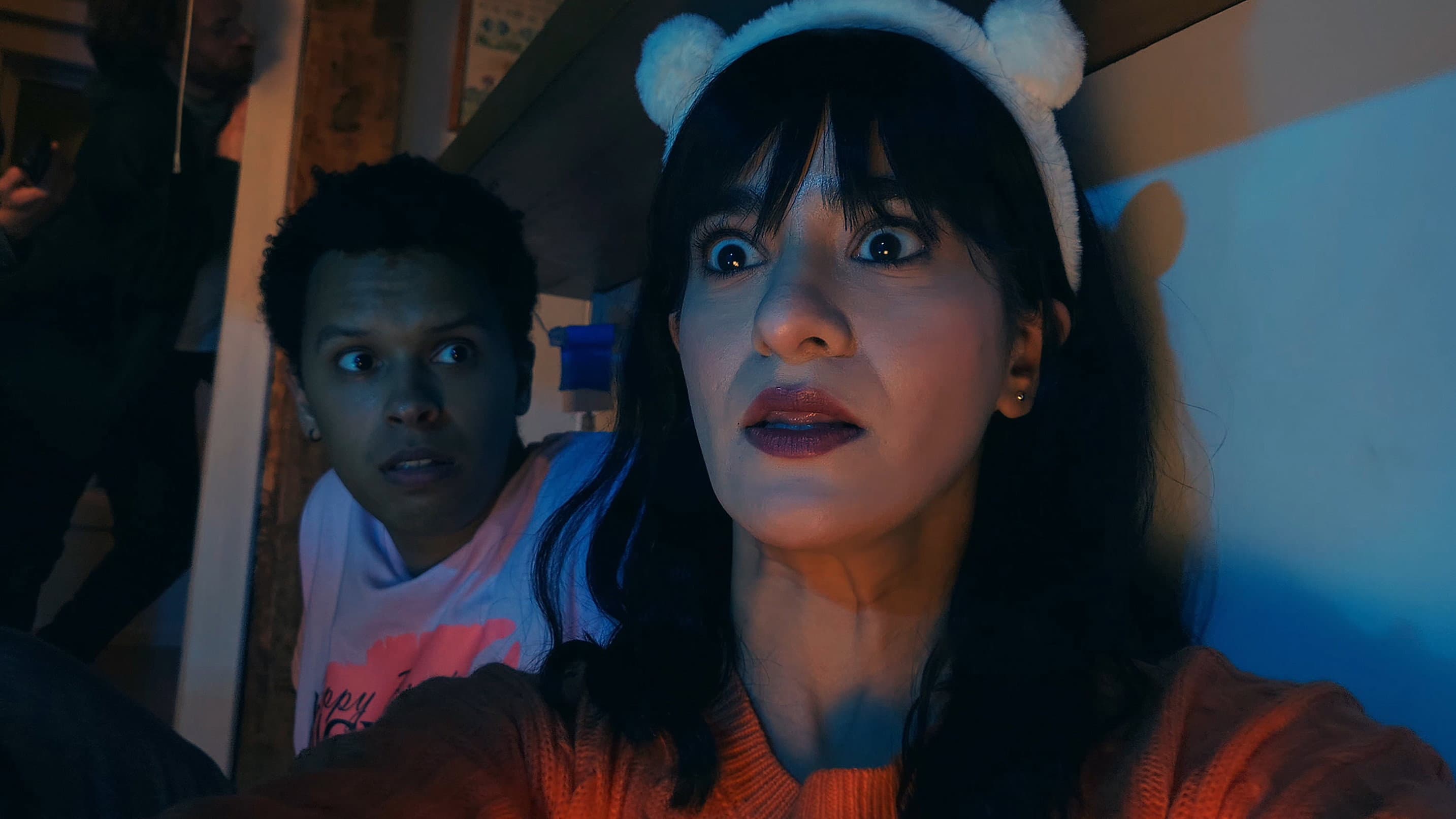
Then, the twist arrives - and it’s best experienced unspoiled. Suffice it to say that the line between intruder and victim dissolves in a sequence that recontextualizes everything you just watched. The 51-minute runtime is a blessing and a curse. It’s long enough to build unbearable tension, but short enough that the film never overstays its welcome. Expect long stretches of silence punctuated by sudden, harsh sounds: a door click, a floorboard groan, a scream that feels five seconds too late. The violence, when it comes, is quick and almost anti-climactic, which is more unsettling than any gratuitous gore. Boonstra is more interested in the psychology of invasion than the physical act. This is not a fun haunted house ride; it’s a study in stolen privacy, seen from the wrong side of the lens.
Why It's Worth Watching
If you’ve ever wondered what Peeping Tom would feel like if Michael Powell had been forced to work with a GoPro and a $50,000 budget, you’re in the right ballpark. vacation intruder is not for every viewer. The first-person POV makes some audience members physically nauseous, and the ethical queasiness of being forced to be the predator is a deliberate, cruel design. But that’s precisely why it’s essential viewing for fans of boundary-pushing horror. It joins a recent lineage of films like Creep and Soft & Quiet that reject the safety of distance. Boonstra’s choice to play both roles is more than a stunt; it’s a thesis. By having the same performer embody the agressor and the victim, she suggests a terrifying circularity to violence - that the monster is not a separate entity but a reflection of the domestic space itself.
At a time when studio horror is bloated to 130-minute runtimes with endless sequels, vacation intruder is a sharp, uncompromising shot of adrenaline. It trusts its audience to be patient, to pay attention to small details - a bracelet moved slightly, a toothbrush left wet - and to understand that the true horror often lives in the mundane. The TMDb rating of 0/10 is a curiosity, likely reflecting its niche availability at the time of data entry, but this is a film that will accrue a passionate, obsessive fanbase. It’s a conversation starter, a film school case study, and a genuinely unsettling hour of television. Watch it alone. Watch it loud. And when you’re done, you’ll feel a sudden urge to check your locks, look out your windows, and wonder if someone else is looking back. That unwelcome awareness - the feeling of being watched from inside your own head - is the film’s true legacy. It’s a bruise that takes days to fade.