September is traditionally the season when Hollywood dumps its misfires and forgotten genre experiments into theaters, hoping nobody notices. So consider it a genuine surprise that one of the fall's most intriguing curiosities arrives not with a whimper, but with a whisper of fur and feathers. A Tell Tail Summer, the debut feature from writer-director Wyatt Whittier, opens today, and at a mere nine minutes, it asks audiences to reconsider what a movie can be - and what a season can mean.
Release Date & Where to Watch
The film launches day-and-date on September 22, 2026, the very day this article goes to press. Distributors are keeping the specifics of its streaming and theatrical rollout under wraps, but expect a limited arthouse run paired with a premium VOD drop - the standard playbook for a short-form passion project with awards ambitions and no marketing budget to speak of. At nine minutes, it barely qualifies as a feature by traditional standards, yet Whittier has been adamant in interviews that A Tell Tail Summer is not a short film. It is the first movement of something larger.
That larger thing: a Four-Part series built around the four seasons, of which this is the opening installment. If the release strategy feels unconventional, that is entirely the point. Whittier is asking viewers to show up for a fragment and trust that the whole picture will eventually cohere.
Cast & Crew
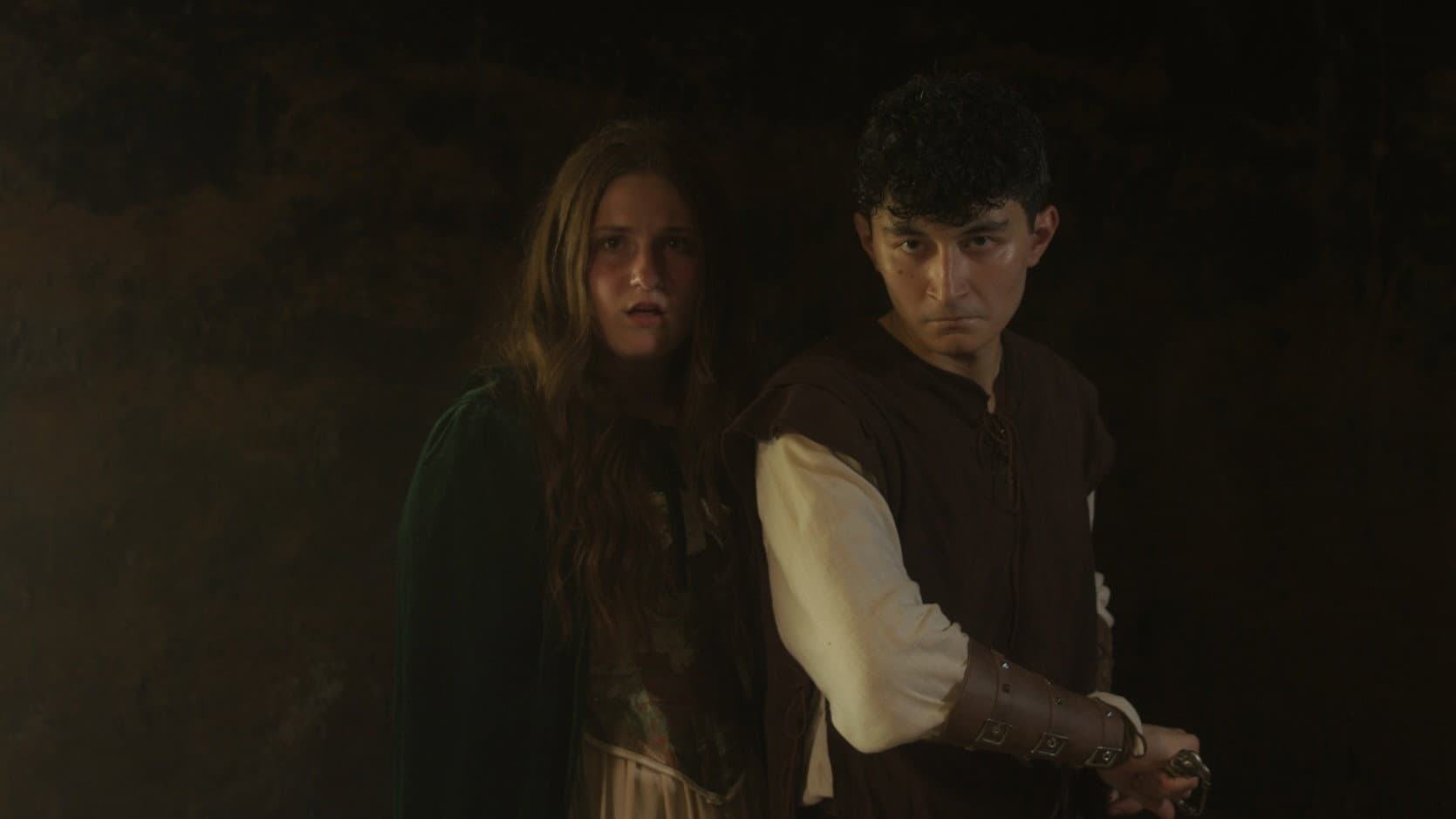
Whittier directs from his own screenplay, and he has assembled a trio of rising performers for his central roles. Avery Gilmore voices and embodies Doe, the gentle anchor of the story's strange paradise. Brock Davis takes on Wolf, a character whose name is already doing an uncomfortable amount of narrative heavy lifting. And Bianca Delgado rounds out the cast as Crow, the interloper whose arrival upends everything.
Three actors, three archetypes, one director with an obvious taste for fable. It is a lean production by any measure, but Whittier has reportedly leaned into that leanness as an aesthetic choice rather than a limitation - letting performance and atmosphere carry weight that visual effects might otherwise have shouldered. The film carries an English-language Hollywood production stamp, and it wears that pedigree lightly.
Story & What to Expect
Here is what we know, and it is deliberately sparse: a Doe and a Wolf live in paradise together. That is the setup. Then a Crow comes along and reveals Wolf's true nature. That is the turn.
If that sounds like the opening of a fairy tale, that is almost certainly intentional. Whittier is working in the register of myth, where animals stand in for people and paradise is always one revelation away from collapse. The genres on the label - drama, fantasy, romance - suggest a love story that curdles, a fantasy that turns cruel, and a drama that hinges on a single moment of terrible clarity.
What can audiences realistically expect from nine minutes? Not a complete narrative, certainly. This is a first act, a tone-setter, a thesis statement. Expect striking imagery, expect a haunting final beat, and expect to leave with more questions than answers. The Crow's revelation - Wolf's "true nature" - is the engine driving not just this installment but presumably the three that follow. Whether that nature is predatory, tragic, or something stranger remains the film's central mystery, and Whittier seems in no hurry to solve it.
If the seasonal structure holds, we can anticipate an autumn chapter, a winter chapter, and a spring chapter to come, each presumably deepening the central relationship and widening the frame. Summer, notably, is where this story begins - which means the warmth is already behind us.
Why It's Worth Watching
Let us be honest about the optics. A nine-minute film with zero ratings on TMDb, directed by a relative unknown, arriving on a random Tuesday in late September, is not the stuff of conventional box-office excitement. But that is precisely why it deserves a look. Hollywood rarely bets on formal experimentation anymore, and when it does, the results are usually buried by algorithms and ignored by audiences trained to wait for streaming.
Whittier is doing something structurally audacious: releasing a four-part story in fragments, one per season, over what we can only assume is a full calendar year. It is either visionary or foolhardy, and possibly both. But it is a genuine artistic gamble, and gambles are worth witnessing.
There is also the matter of craft. With three actors and a premise this elemental, everything rests on execution - on whether Gilmore can make Doe's innocence feel earned rather than naive, whether Davis can suggest menace beneath charm, whether Delgado can make an entrance feel like a tectonic shift. If the film works, it will work because of them.
And if it does not? At nine minutes, the investment is minimal. You will spend longer deciding what to watch tonight than you will actually watching A Tell Tail Summer. In a landscape of bloated three-hour epics and endless franchise extensions, that brevity is its own argument. The film opens today. The rest of the year, and the seasons themselves, will tell us whether Whittier has built something lasting or simply something clever.