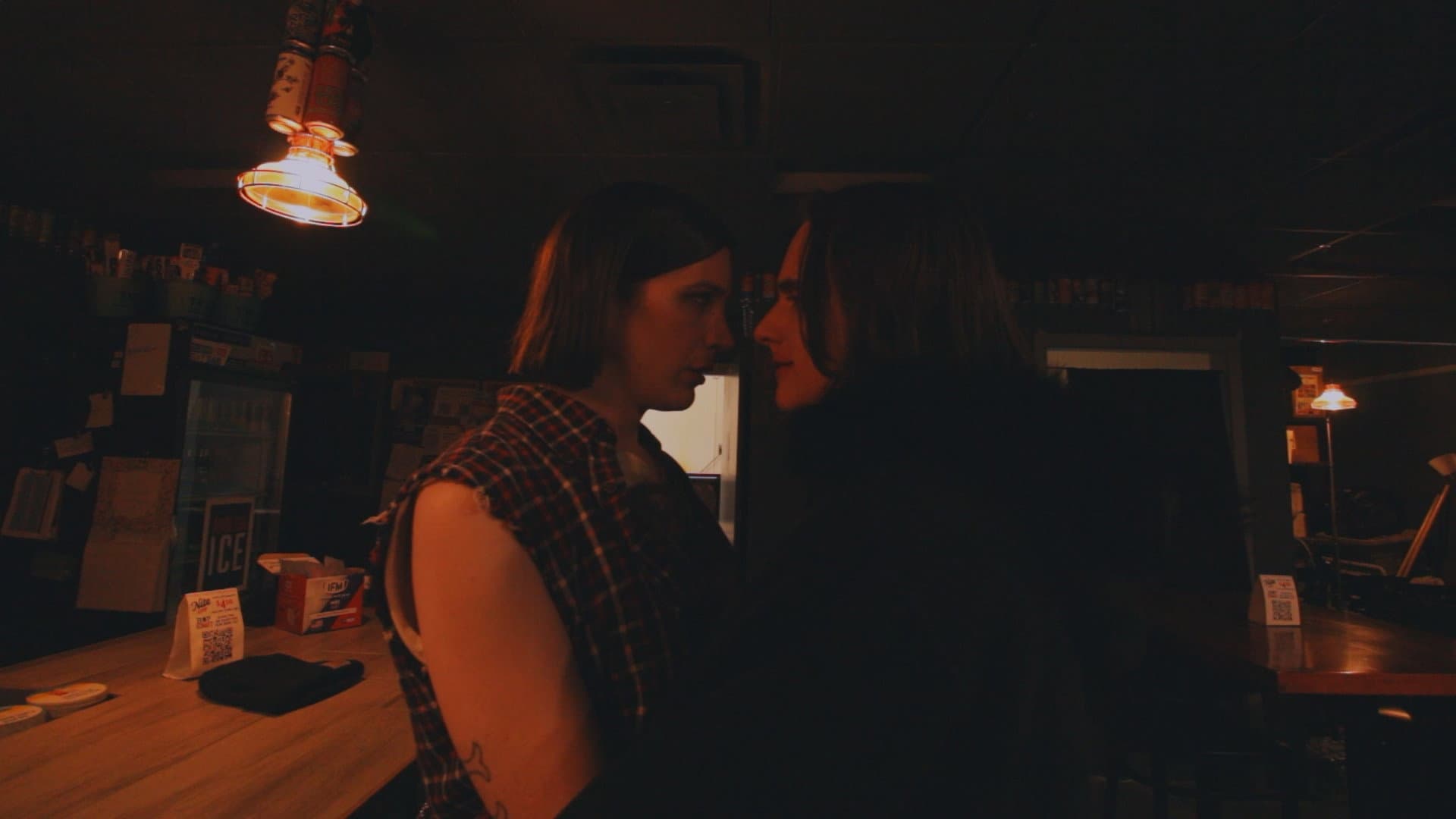
The after-hours line at a downtown Manhattan club is its own ecosystem: velvet ropes, clipboard gatekeepers, the low thrum of a bassline leaking onto the sidewalk. It's a world Jordan Firstman knows well enough to send up, and one he has now built a movie around. Club Kid, released November 4, arrives with momentum unusual for a character-driven comedy-drama - a 7.94 rating on TMDb and an 8.1 on IMDb, numbers that suggest audiences have found something warmer here than the title's neon promise.
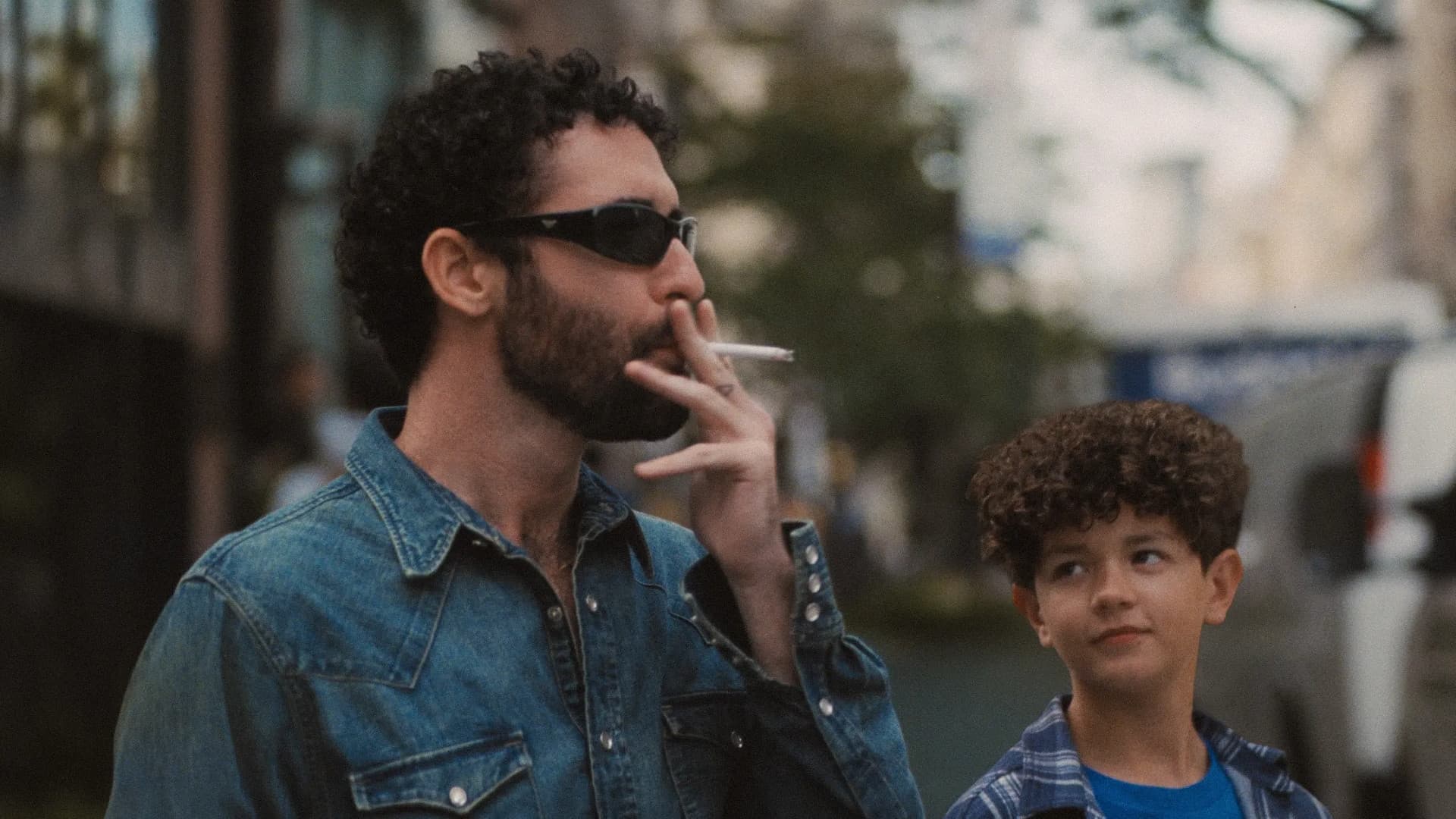
Firstman directs and stars as Peter Green, a New York City club promoter whose calendar is a blur of call times, bottle service and 4 a.m. diner debriefs. Peter is good at exactly one thing: making a night feel like the only night that matters. Then Arlo Baker shows up - ten years old, played by Reggie Absolom - and the party develops a complication it can't charm its way past. Arlo is the son Peter never knew he had, and his arrival turns a life organized around avoiding mornings into one that suddenly requires school runs.
The premise has the shape of a high-concept studio comedy, and Firstman doesn't shy from the farce. A man who has never set an alarm for anyone but himself attempting homework help is fertile ground, and the film's 122-minute runtime gives those jokes room to breathe rather than race past. But the comedy is a delivery system for something quieter. What interests Firstman is the moment a person who has curated an identity realizes the curation was the point - and that someone small is now standing in the middle of the display.
Around Peter and Arlo, the film assembles a supporting cast with genuine texture. Cara Delevingne plays Sophie, Diego Calva is Oscar, and Kirby Howell-Baptiste appears as Edison. Colleen Camp brings her unmistakable comic timing to Evelyn, while Vicki Pepperdine's Lydia Chestworth and Nigil Whyte's Devon round out a ensemble that keeps the film from collapsing into a two-hander. These are the people who populate a promoter's orbit - some enablers, some witnesses, a few who have been waiting for years to see Peter grow up.
One of the more intriguing choices is having Firstman direct himself in the central role. Actors directing themselves can drift toward indulgence; here it mostly reads as control, a performer who knows precisely which beats to underplay. He gives Absolom space to be a kid rather than a plot device, and the film's best passages are the ones where neither character is performing for anyone. The genre label - Comedy, Drama - is earned in both directions, and the shift between them is managed without a lurch.
For a Hollywood production with a sharp eye on a specific New York subculture, Club Kid is careful about the difference between satirizing a scene and sneering at it. Peter's world is ridiculous, but it's also a community, and the film understands that the same instincts that make him a great host could make him, with effort, something resembling a parent. That generosity of spirit is likely part of why the ratings have held so firm since release.
The timing is worth noting. A story about a man ambushed by responsibility lands differently in late 2026 than it might have a few years ago, and there's a whiff of wish fulfillment in watching a hedonist forced to grow up on screen. Still, Firstman is smart enough not to turn the film into a lecture. Arlo isn't a corrective; he's a person. The change in Peter - if it comes - has to be his own, and the film respects that process too much to rush it.
What Club Kid offers is a reminder that the most reliable cinematic alchemy is a character who wants two incompatible things at once. Peter wants the night, and he wants to be someone Arlo can rely on. The film sets those desires against each other and lets them fight it out across two hours of jokes, arguments and quietly observed mornings. Whether audiences leave talking about the comedy or the tenderness will vary. That they're leaving talking at all is not in doubt.