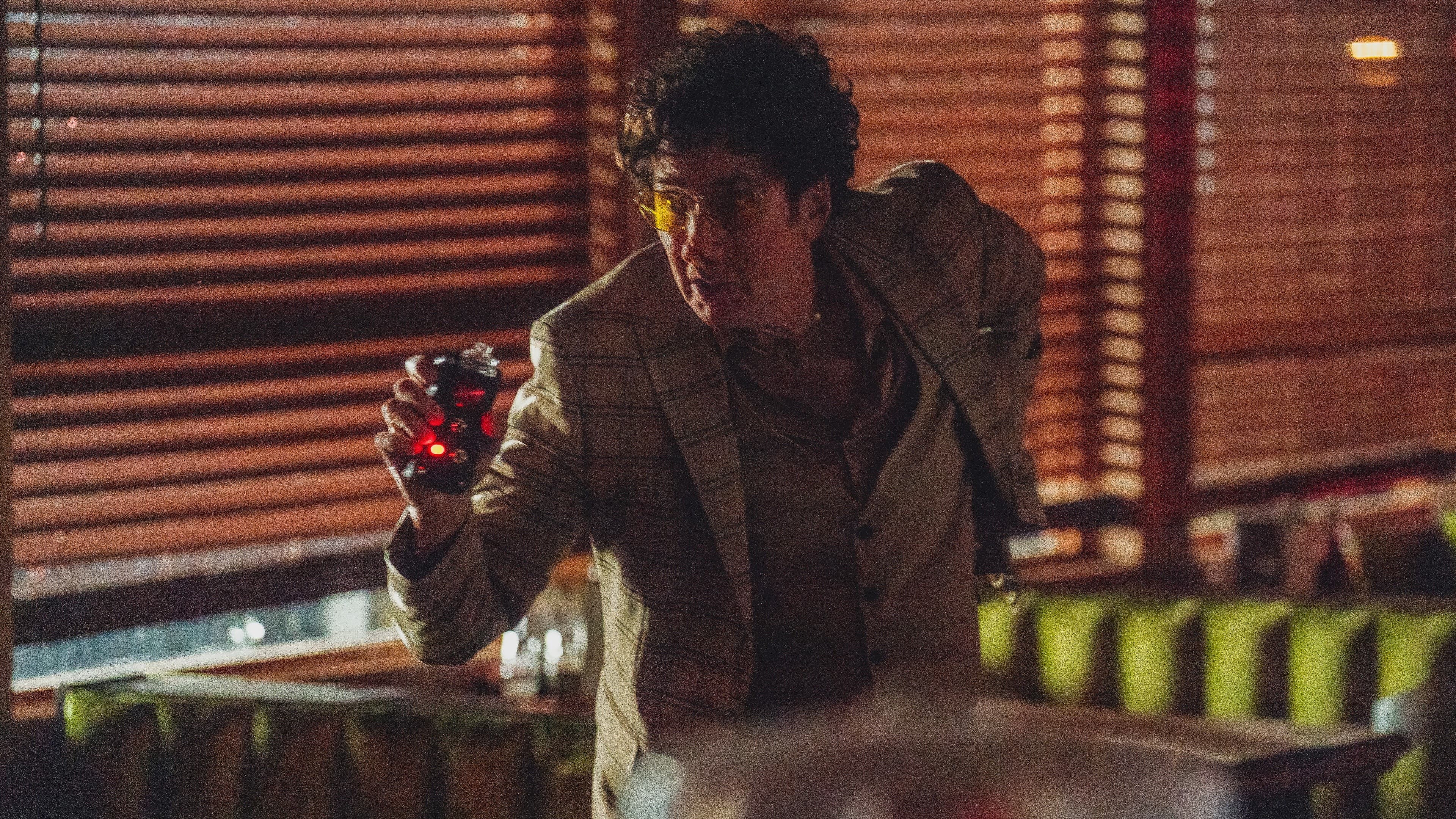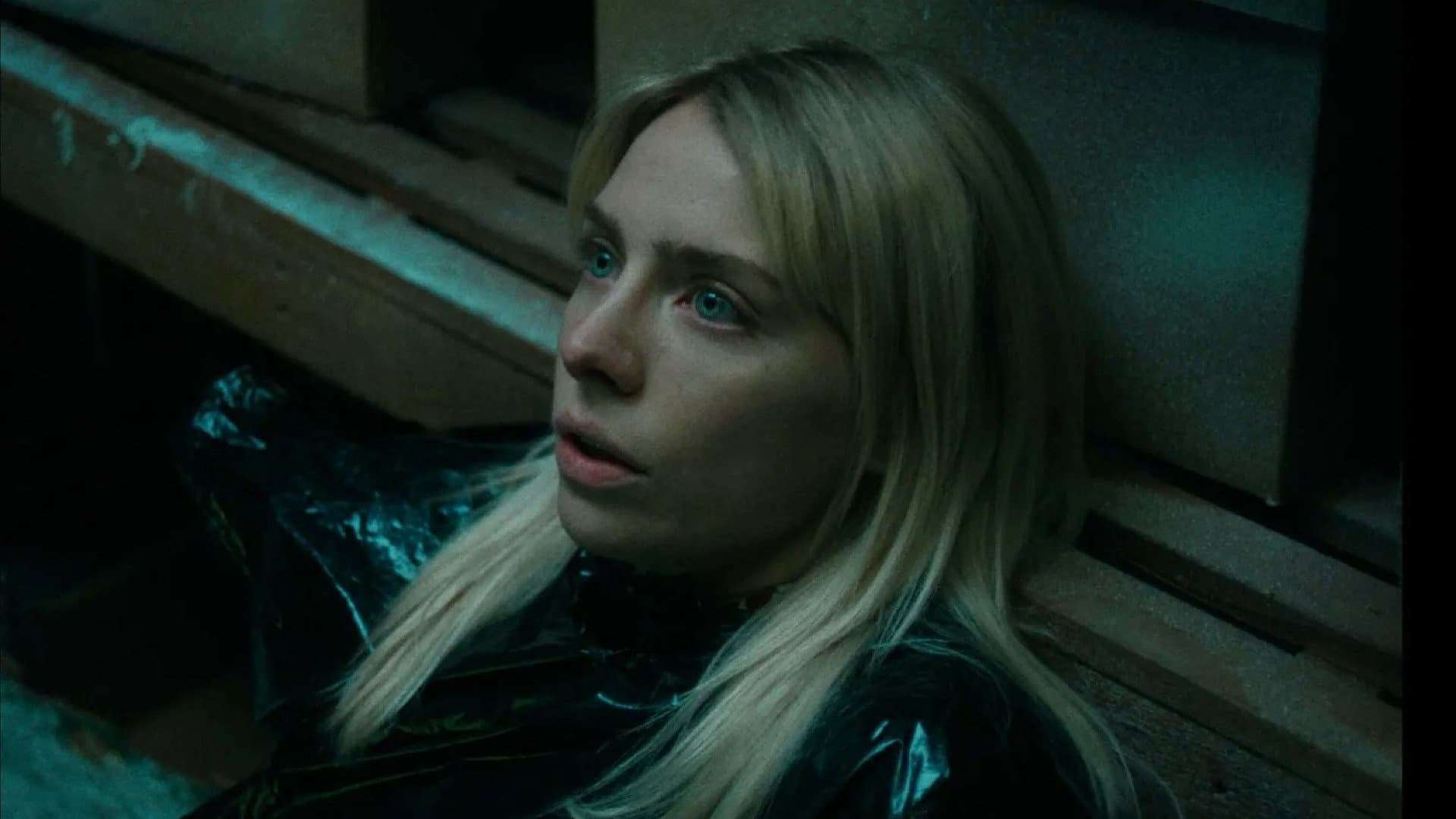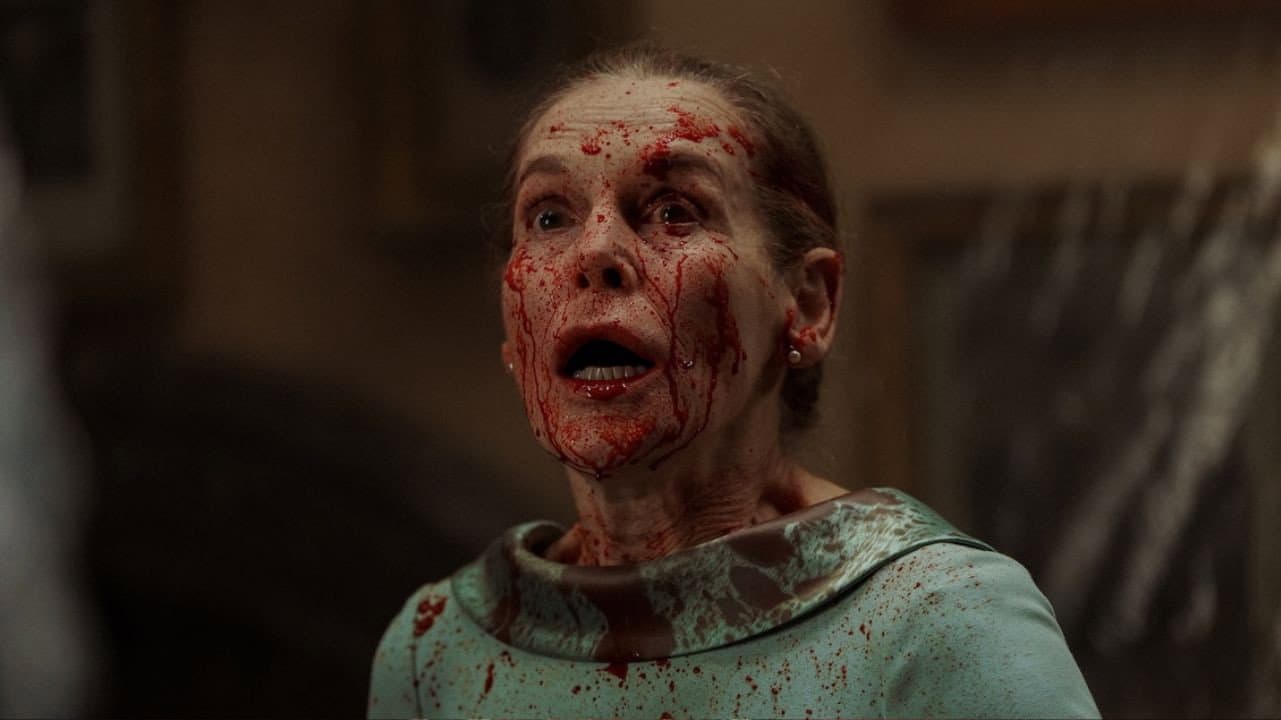
The lights go down, the projector hums, and for ninety-six minutes the Grayson family estate becomes a place where grief and invention collide. "The Restoration at Grayson Manor," directed by Glenn McQuaid, arrived in theaters on October 29, 2026, sliding into the pre-Halloween corridor with the quiet confidence of a film that knows exactly what it wants to do to its audience. It is a horror picture, yes, but one built on a premise that feels almost surgical in its cruelty: a family tragedy, a body irrevocably altered, and a mother willing to gamble on unproven science to undo what cannot be undone.
At the center of it all is Boyd Grayson, played by Chris Colfer, whose life is shattered by an accident that leaves him handless. It is a stark, almost mythological setup - the heir diminished, the house itself trembling on its foundations. Alice Krige steps in as Jacqueline Grayson, Boyd's mother, a woman whose response to catastrophe is not resignation but investment. She pours resources into radical new technology, the kind that promises restoration but rarely delivers it without a cost. Anyone familiar with the darker corners of horror knows that when a wealthy family buys its way out of grief, the bill always comes due.
McQuaid, whose filmmaking has long trafficked in atmosphere and uneasy intimacy, assembles a supporting cast that suggests the manor will be populated by more than just mother and son. Daniel Adegboyega appears as Dr. Jeffrey Tannock, presumably the man tasked with making Jacqueline's technological ambitions real. Declan Reynolds, Gabriela Garcia Vargas, and Matthew McMahon round out the ensemble as Lee, Claudia, and John - figures whose roles in the Grayson household remain deliberately obscured in the material released so far, though the presence of a doctor in a horror film about bodily reconstruction rarely signals comfort.
What stands out from the available information is the restraint of the premise. This is not a film about a haunted house in the traditional sense, though the manor of the title looms as more than mere setting. The horror here seems to grow from the inside out: from a body that has lost something essential, from a parent who refuses to accept that loss, and from technology that offers a solution while quietly rearranging the terms of what it means to be whole. The foundation metaphor in the film's synopsis feels pointed. Houses settle. Houses crack. Sometimes the damage is structural, and no amount of money changes that.
The timing of the release is worth noting. Late October is a crowded, competitive window, and a film like this - modest in runtime, anchored by a pair of performances rather than spectacle - has to carve its space through word of mouth and the kind of unsettling imagery that lingers after the credits. Colfer, best known for his work in "Glee," takes on a role that demands physical transformation and emotional vulnerability, while Krige brings decades of genre credibility to a character whose love for her son may be indistinguishable from obsession.
Audience response at this early stage is difficult to gauge. The TMDb rating sits at 0/10, a figure that reflects a lack of aggregated user votes rather than any critical judgment, and should not be read as a measure of quality either way. What matters more is whether McQuaid's film finds the viewers willing to sit with its discomfort.
"The Restoration at Grayson Manor" is in theaters now. It runs ninety-six minutes and is in English. For those drawn to horror that concerns itself less with jump scares than with the slow, terrible arithmetic of loss and what we are willing to pay to reverse it, the doors of the manor are open. Whether anyone leaves whole is another question entirely.