The pitch alone is enough to raise an eyebrow: a once-beloved actress, her career in freefall, attaches herself to a wellness guru whose glow is almost too good to be true. That is the premise of Shell, Max Minghella's 102-minute horror-drama-thriller that opened on October 1, 2025, and has spent the better part of the past year stubbornly refusing to leave the conversation. In a market saturated with stories about beautiful people behaving badly, Shell distinguishes itself by treating self-optimization as a blood sport.
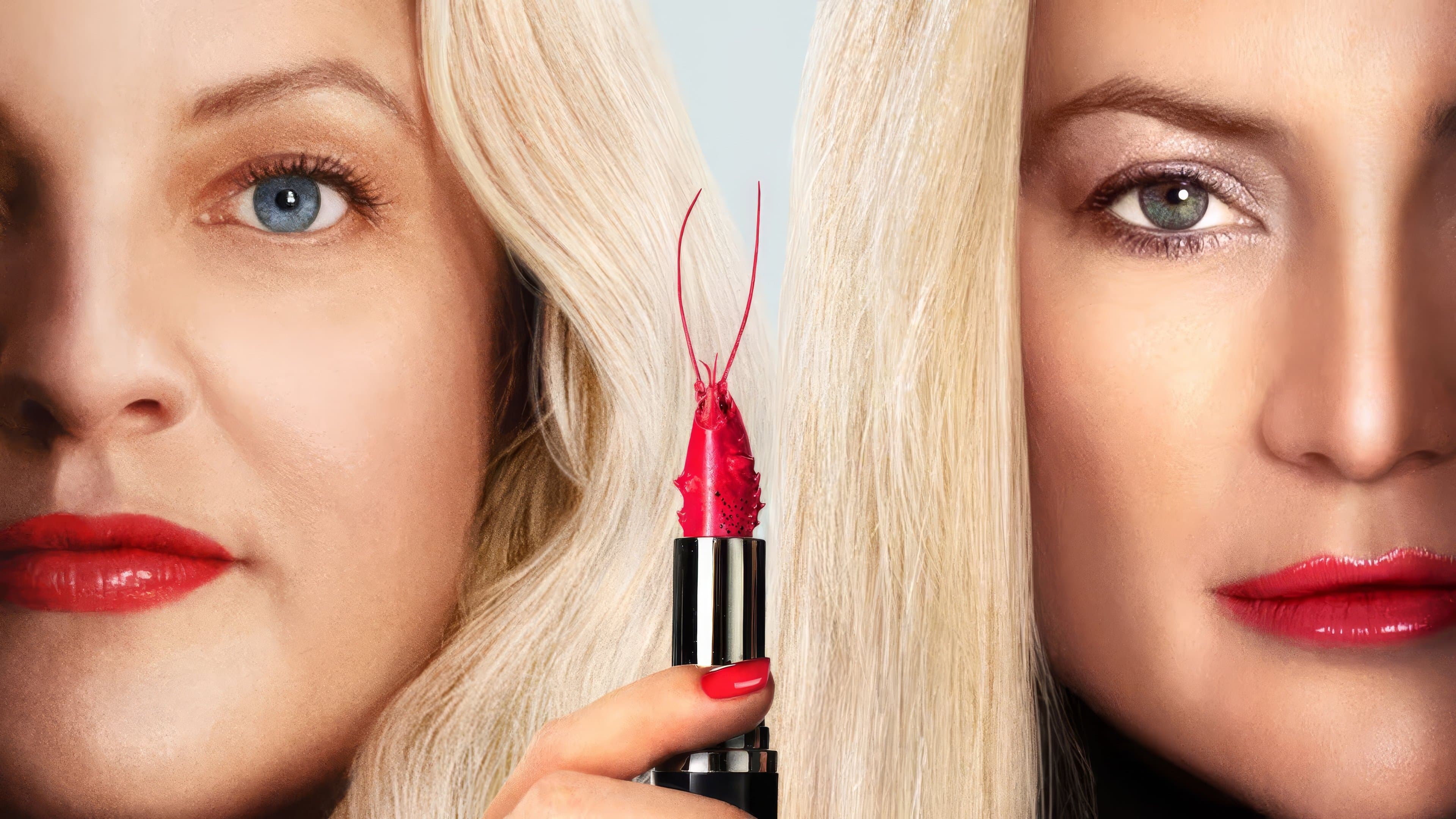
At the film's center is Samantha Lake, played by Elisabeth Moss with the frayed intensity that has become her signature. Samantha was once the kind of star whose name promised a certain kind of movie; now she is the kind of star who reads about herself in the past tense. Reclaiming her career means reclaiming her visibility, and visibility in Shell has a price. Enter Zoe Shannon, a wellness mogul embodied by Kate Hudson with a smile calibrated to disarm. Zoe's world is all clean lines, soft lighting and the implicit promise that suffering is simply a failure of discipline. Samantha wants in. The film's engine is the slow, queasy realization of what "in" actually means.
Minghella, working here behind the camera rather than in front of it, stages the seduction with real craft. The early passages play almost like a drama of manners - parties full of people who speak in affirmations, a vocabulary of self-care that starts to sound like liturgy. Then the floor gives way. Beneath the immaculate surface of Zoe's empire, Samantha uncovers something the film treats as genuinely monstrous, and the horror escalates not through jump scares but through the steady erosion of the boundary between healing and exploitation. It is a thriller about the cost of being seen, dressed in the colors of a boutique spa.
The supporting ensemble does a great deal of quiet lifting. Kaia Gerber appears as Chloe Benson, a younger presence whose proximity to Zoe carries its own unnerving charge. Arian Moayed brings a clinical precision to Dr. Hubert, the kind of professional whose authority makes everything he endorses feel medically sanctioned. Este Haim, Elizabeth Berkley, Leanne Suter and Amy Landecker round out a cast that gives the film its texture - Berkley in particular lends a weathered Hollywood credibility to Jenna Janero that makes Samantha's fear of obsolescence feel concrete rather than abstract.
What has kept Shell in circulation, however, is not the plot machinery but the response to it. Audience scores on TMDb and IMDb both hover just under five out of ten - a reception that reads less like indifference than like a wound. Viewers came expecting a sharp satire of influencer culture and found something colder and less comforting. The film's defenders argue that the discomfort is the point; its detractors insist the material collapses under its own self-seriousness. Either way, the split is animated. People argue about Shell the way they argue about a dinner party that went wrong - because something real happened there.
Moss and Hudson make the pairing work. Moss plays desperation without vanity, and Hudson, an actress long associated with warmth, weaponizes that warmth into something unsettling. The scenes between them carry a low hum of danger; every compliment feels like a contract. Minghella and his editors understand that the most frightening thing in a wellness story is a woman who insists she only wants to help.
That the film arrived in the fall of 2025 and is still being debated now, in October 2026, says something about how precisely it caught the mood of an industry increasingly obsessed with reinvention and terrified of irrelevance. Hollywood has always loved stories about its own discard pile. Shell adds a wrinkle: it suggests the thing that discards you might also be the thing that remakes you, and it declines to say whether that is a rescue or a trap. As a piece of filmmaking, it is uneven - the middle stretch sags under exposition, and the ending has its skeptics - but it is never anonymous. It has a point of view about the machinery of image-making, and it wears that machinery's most attractive face while doing the diagnosis.
More than anything, Shell is a film about appetite - the hunger to be adored, and what a person will crawl through to feed it. The question it leaves rattling around is not whether Samantha escapes Zoe Shannon's world, but whether she was ever outside it. That is a more uncomfortable question than any horror movie usually dares to ask, and it is why this one has stayed with audiences long after the credits rolled.