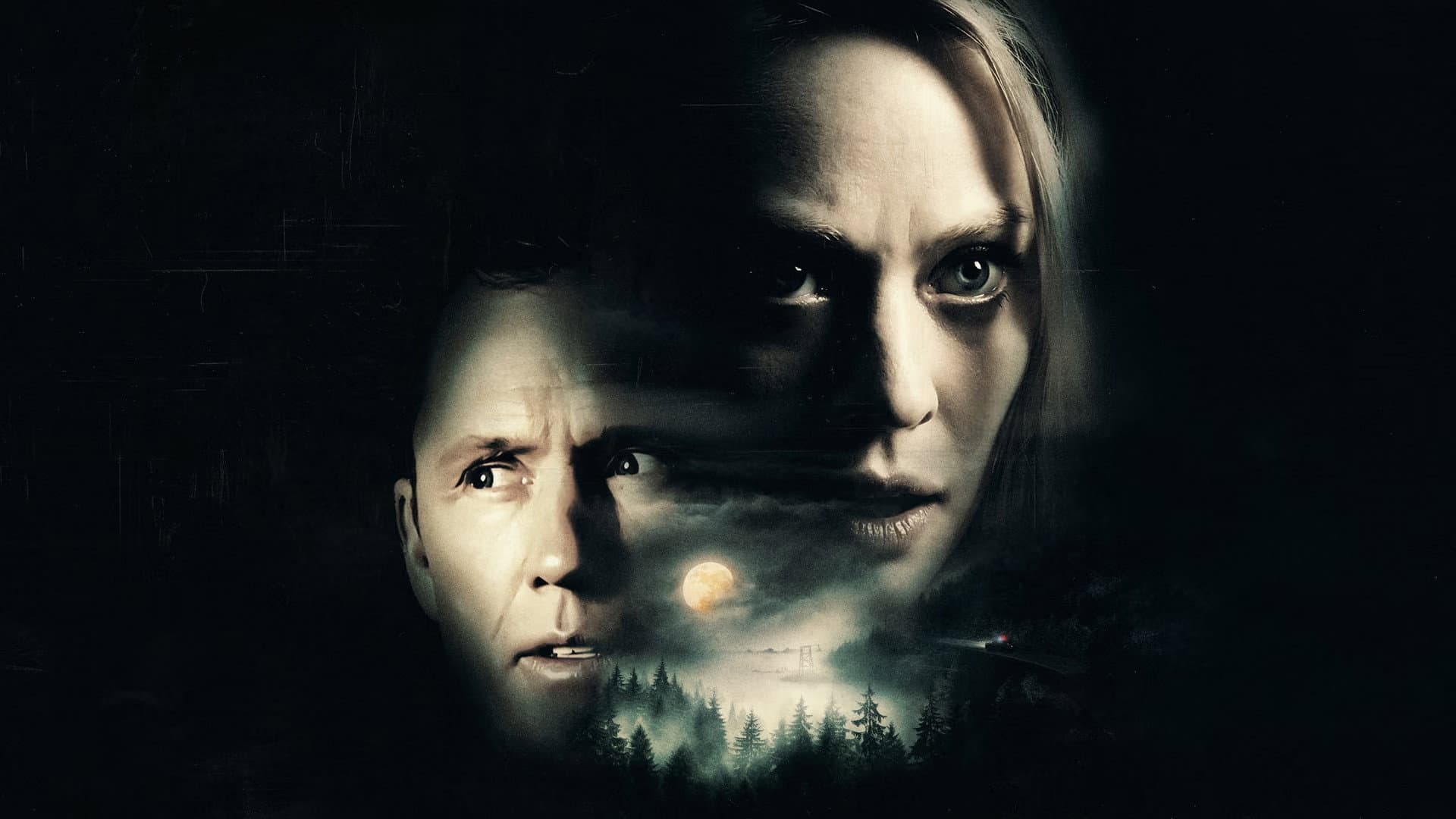
There is a specific kind of dread that settles in when a cold case stops being abstract. When the phone rings and the voice on the other end says the words families both long for and fear: we found him. For Meg, the protagonist at the center of Jordan Downey's new film The Cycle, that call doesn't bring closure. It brings a flood.
The film, which opened in theaters on September 24, 2026, begins with a premise that sounds like a procedural and quickly reveals itself as something far more corrosive. A father who vanished 36 years ago has been discovered - not as a set of anonymous remains in a forgotten field, but at the scene of a horrific crime. The body is evidence now, and everything Meg thought she knew about the man who raised her becomes a question without a safe answer.
Downey, working in English and firmly within the Hollywood system, has built a reputation for genre material that refuses to sit still. The Cycle is being positioned as a crime thriller with a horror engine, and the distinction matters. This is not a whodunit that tidies itself up in the final reel. The genres listed for the film - crime, horror, thriller - suggest a story that treats the past as a living thing, something that doesn't stay buried just because a body has been found.
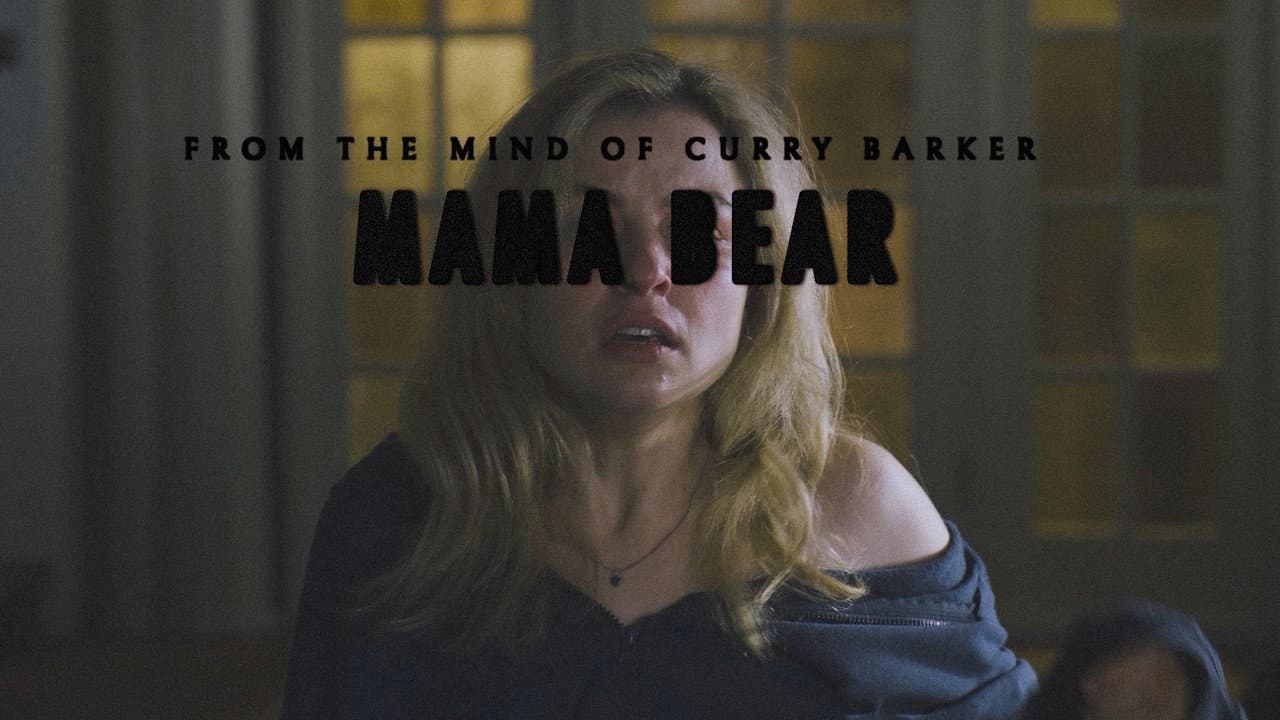
Deborah Ann Woll steps into the role of Meg, and the casting feels deliberate. Woll has spent years playing characters who carry hidden weight, who operate with a quiet intensity that makes a room feel smaller. Here she's asked to do something more exposed: to play a woman dismantling her own history in real time. Early audiences have responded to that work. The film currently sits at a 7.429 rating on TMDb, a number that suggests viewers are finding something worth sitting with.
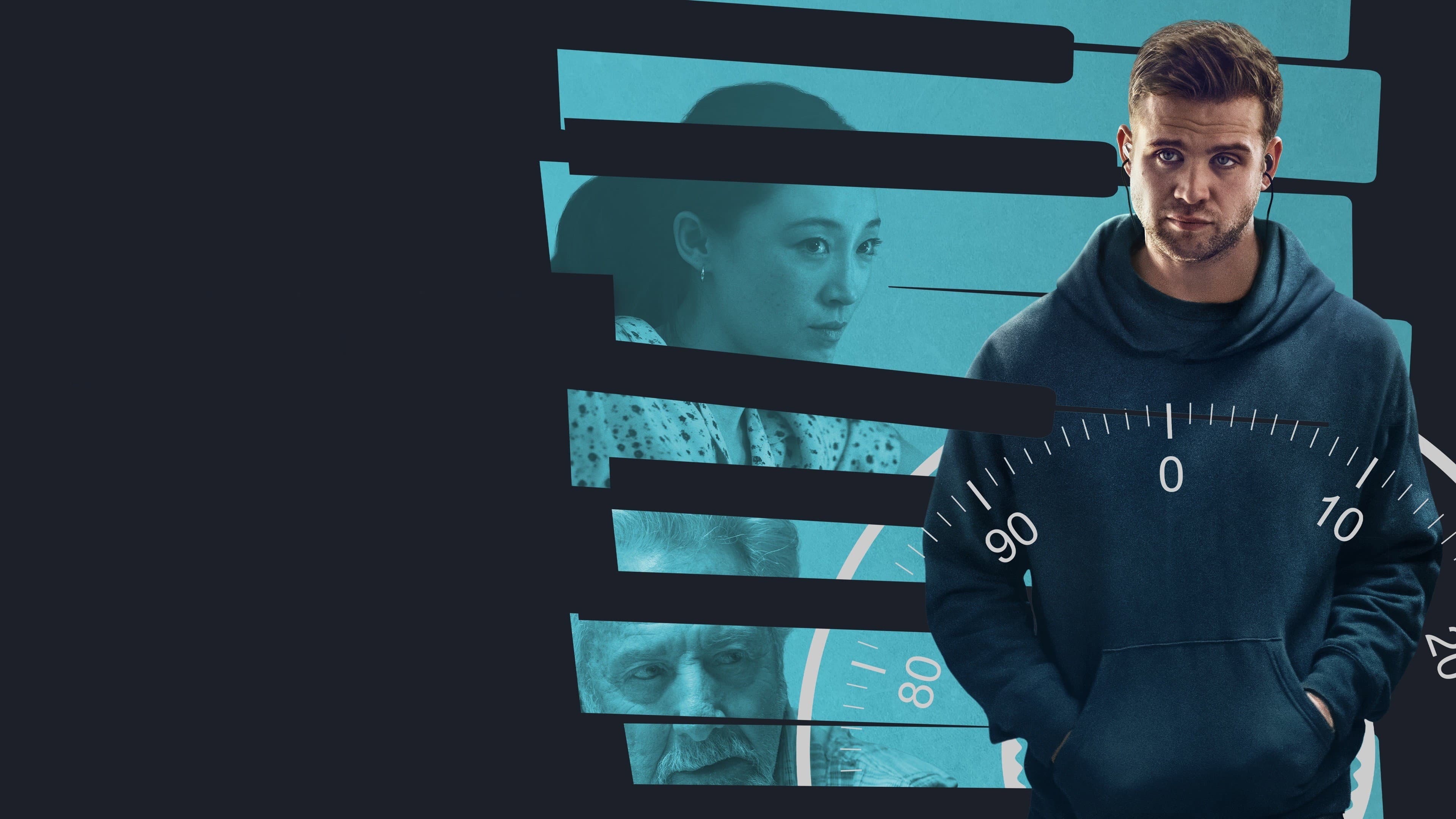
She's surrounded by a cast built for texture rather than marquee shine. Jeffrey Donovan appears as Marks, a figure whose role in Meg's unraveling remains one of the film's more closely guarded turns. Gretchen Corbett plays Joni, Jack Doolan is Lenny, and Will Hochman takes on Ian. Dana Millican, Phillip Andre Botello, and Don Keith Opper round out an ensemble that Downey uses the way a good conductor uses an orchestra - not for volume, but for tension.
At 111 minutes, The Cycle doesn't overstay its welcome. It's a runtime that allows for the slow accumulation of dread without tipping into indulgence, and it fits the story's architecture. Meg's investigation isn't a sprint through clues. It's a descent, and the film's pacing reflects that. Each discovery about her father opens onto another door, and behind each door is a version of her own childhood that no longer holds together.
What separates The Cycle from the crowded field of missing-person thrillers is its refusal to treat the discovery of the body as an ending. The body is the beginning. It's the thing that makes the past physical, tangible, impossible to dismiss. For 36 years, Meg's father was a story she told herself. Now he's a fact at a crime scene, and the story has to be rewritten.
Downey has spoken in the past about his interest in stories where the supernatural and the psychological bleed into one another, and that sensibility is on display here. The film doesn't announce its horrors. It lets them accumulate - in a glance, in a silence, in the way a familiar object suddenly looks foreign. The horror isn't separate from the crime; it's the atmosphere the crime leaves behind.
For audiences who want their thrillers clean and resolved, this may not be the ticket. But for those drawn to stories that understand how deeply family mythologies can rot from the inside, The Cycle arrives with real weight. It's a film about inheritance - not of money, but of secrets, and the question of whether knowing the truth is always better than living without it.
The Cycle is in theaters now.